Every shake-up in the automotive order eventually finds its marketplace. As the EU's 'Made in Europe' agenda — driven from Berlin and Paris — rewrites who qualifies for European subsidies, parts makers across the globe are quietly redrawing their maps of the continent. On the newest version, one pin is circled in red: Warsaw.
The mechanics of the plan are blunt. Cars imported from Japan would not qualify for EU subsidies at all, while models built in France, Portugal and Eastern Europe would benefit only if enough of their parts come from Europe. For global suppliers, that single clause converts local content from a compliance chore into a competitive weapon — and it is precisely why the initiative is unnerving boardrooms and raising cost and competitiveness concerns far beyond the EU's borders.
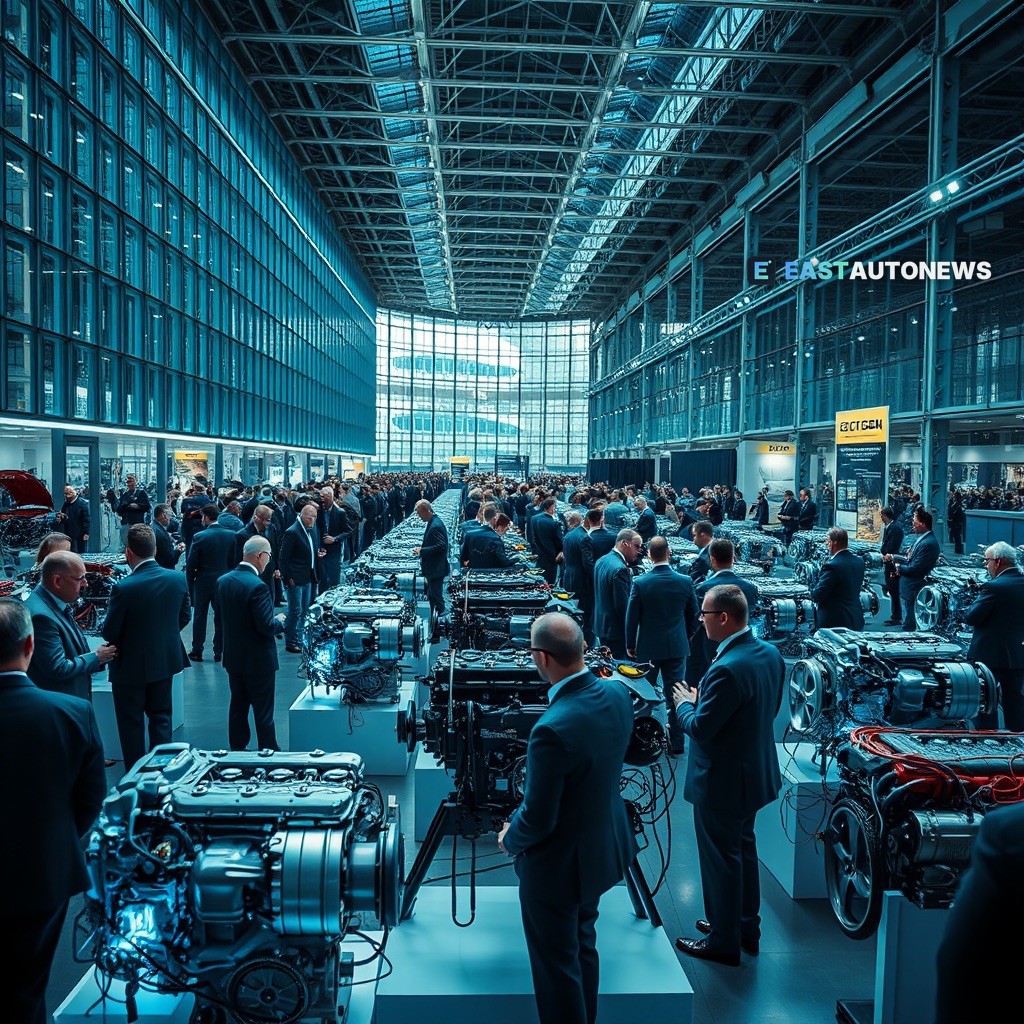
Eastern Europe sits on the promising side of that equation, and Poland is moving to monetise the moment. From 8 to 10 October 2027, Warsaw will host the AUTOMOTIVE PARTS EXPO, an international trade fair aimed squarely at the supplier industry — parts manufacturers, garage-equipment producers and trading companies — and pitched as a launchpad into the Central and Eastern European market and the aftermarket business that surrounds the EU.
The timing is no accident. If European-built models only earn their subsidies with European-sourced components, then demand for parts made inside the bloc rises with every line of the final rulebook. Promotional campaigns for the Warsaw show are already reaching factories and exporters well beyond the EU — including in Asia — with the promise of 'EU-adjacent' aftermarket opportunity: the business of keeping Europe's vehicles on the road, whatever subsidy politics ultimately decide.