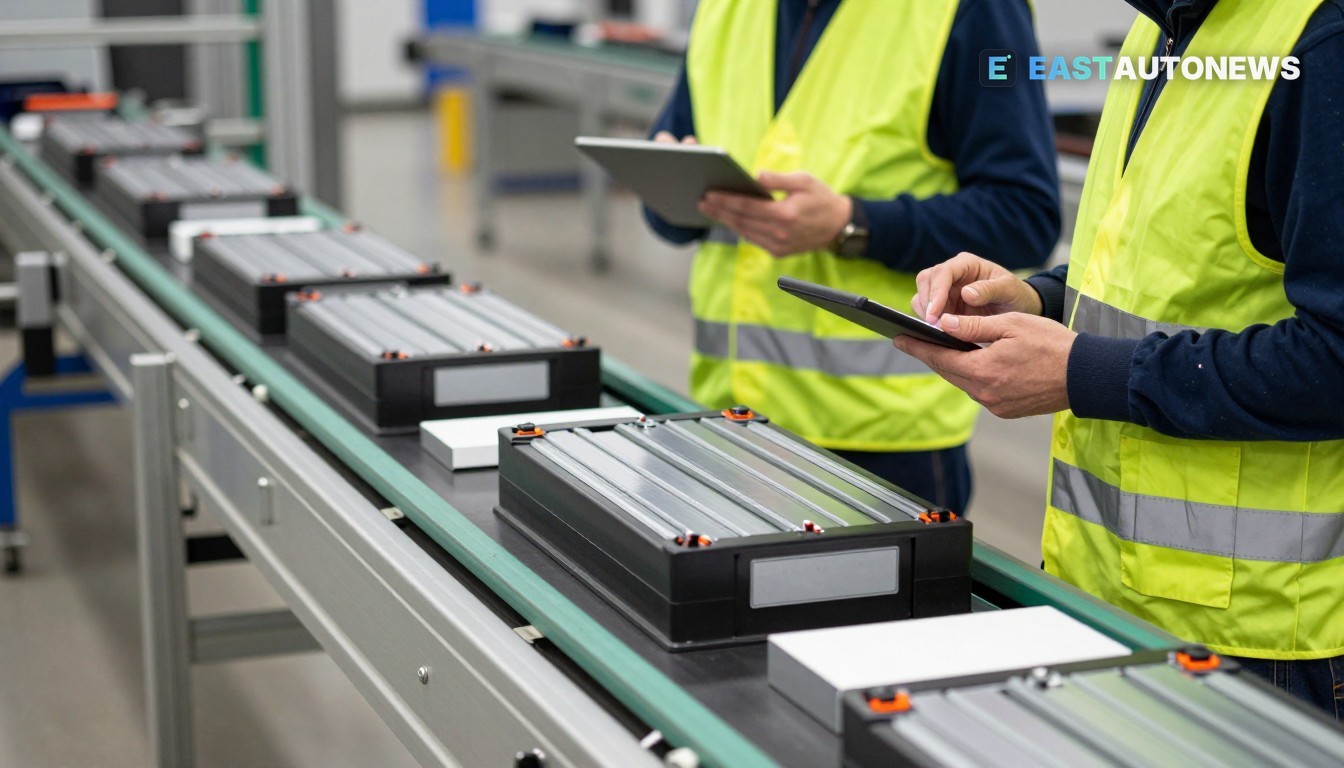
German battery‑systems supplier BMZ has chosen traceability specialist Minespider to build Digital Battery Passports (DBPs) directly into its series production at sites in Poland and Germany, the companies announced on 17 November 2026. BMZ says the move will cover batteries for electric vehicles, light means of transport (including e‑bikes) and industrial batteries, and that passport creation will be part of the production workflow rather than an add‑on administrative step.
Implementation and timing
Minespider will begin with data mapping, gap analysis and a manual/batch passport workflow before moving to API‑based, higher‑volume integration that links unique battery identifiers and QR access to BMZ’s internal systems. BMZ expects the system to be ready by mid‑December 2026 to produce the first Digital Battery Passports. The move is explicitly timed to meet the European Union’s Regulation (EU) 2023/1542, which requires DBPs for every EV battery, every light‑means‑of‑transport battery and industrial batteries above 2 kWh placed on the EU market from 18 February 2027.
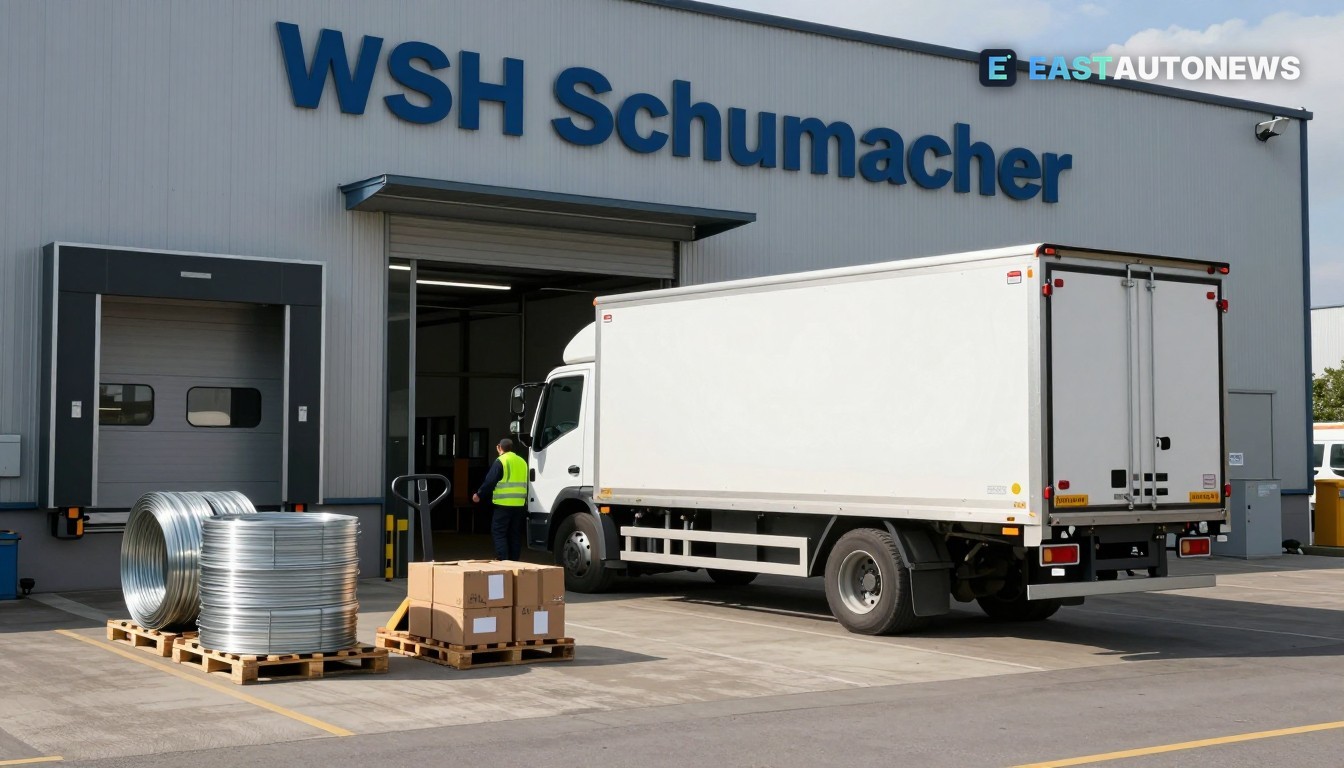
BMZ operates factories in Poland and Germany and describes itself as an established supplier to multiple sectors; Minespider noted BMZ has more than 1,450 employees and over 194,000 m² of production space across its sites. The companies say the passport will assemble product and manufacturer data, compliance documentation, circularity information and relevant operational data around a unique identifier so customers and partners can access the data they need.
What this means for the market
Embedding DBPs into the factory floor changes the compliance challenge from paperwork to production engineering. Industry observers say a passport generated at the point of manufacture is likelier to be accurate, cheaper to maintain and more useful for second‑life, repair and recycling markets. BMZ’s approach — staged manual creation followed by API integration — is presented as a pragmatic route to meeting the February 2027 deadline without disrupting series output.
For vehicle makers and tier‑1 suppliers in Central and Eastern Europe, a supplier that delivers batteries with built‑in, production‑sourced passports reduces the downstream work required to compile compliance dossiers or to trace material provenance during vehicle homologation, aftermarket, and recycling processes. It also narrows a potential bottleneck for OEMs sourcing battery systems from multiple suppliers across the region.
BMZ and Minespider stress the solution supports both public and permissioned access, enabling different data visibility for regulators, OEMs and recyclers. That layered access could make it easier for manufacturers in the CEE manufacturing belt — where battery and pack capacity has expanded rapidly — to evidence recycled content and compliance under EU rules as they seek public procurement or subsidy eligibility.
The choice of Minespider, a specialist with prior work across batteries and mobility, signals that suppliers are prioritising integrated traceability tools rather than one‑off reporting systems. For BMZ the immediate task is operational: ensure the mid‑December readiness target and a smooth API rollout so series production can emit passports at scale before the regulatory go‑live.
Electric vehicle listings on WorldTrader24 →
Sources: Minespider press release, AutomotiveSuppliers.pl, The Battery Ledger