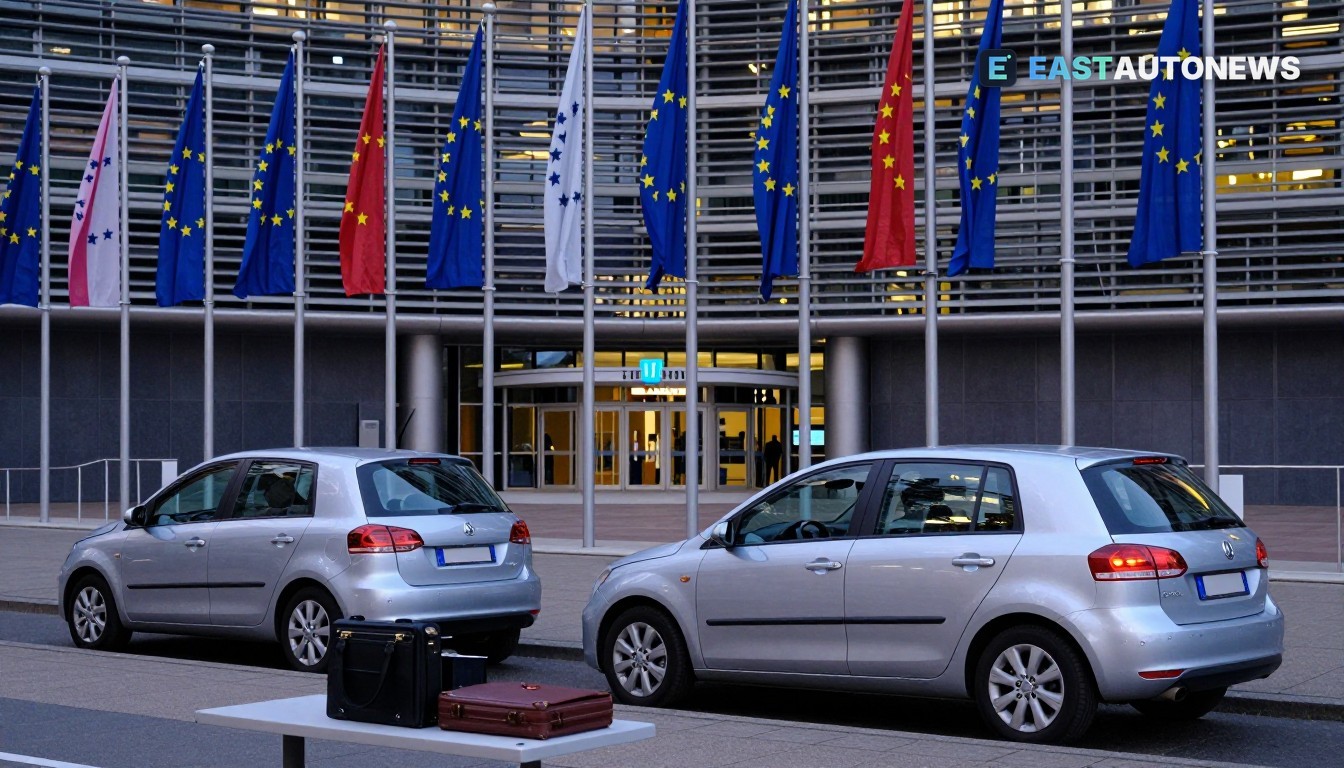
The European Commission has opened an infringement procedure against Romania over its transposition and application of Directive (EU) 2022/362 — the 2022 revision of the Eurovignette Directive that harmonises rules on distance‑based tolls and time‑based vignettes for road infrastructure. The decision was announced on 19 November 2026 and registered by the Commission as case INFR(2026)2183.
What the Commission says
The Commission’s summary says Romania is among eight member states that have not correctly transposed or applied the Eurovignette revision, and lists a range of obligations at issue: adopting a common methodology for calculating infrastructure charges for heavy‑duty vehicles; offering vignettes for passenger cars with durations proportionate to use (including a one‑day option); and differentiating heavy‑vehicle tolls according to CO₂ emissions to create a stronger price signal for cleaner fleets. Member states called out include Czechia, Estonia, Croatia, Latvia, Lithuania, Portugal, Romania, Slovenia and Slovakia. Romania and the other countries named have two months to reply to the formal notices.
The Commission’s action is procedural: the letter of formal notice requests Romania to bring national law into line with the Directive. The notice does not itself change charges or invalidate existing vignettes, and the Commission will only pursue the case to a reasoned opinion or Court referral if Romania’s response is unsatisfactory.
Next steps for Romania
Romanian authorities now have the formal two‑month reply period set by the Commission to explain their transposition choices or to amend national measures. If the government does not remedy the shortcomings, the Commission may issue a reasoned opinion and, ultimately, refer the matter to the Court of Justice of the EU — with potential financial penalties if non‑compliance persists. The Commission’s November infringements package, published on 19 November 2026, lists this among several transport and regulatory enforcement actions.
What this means for the market
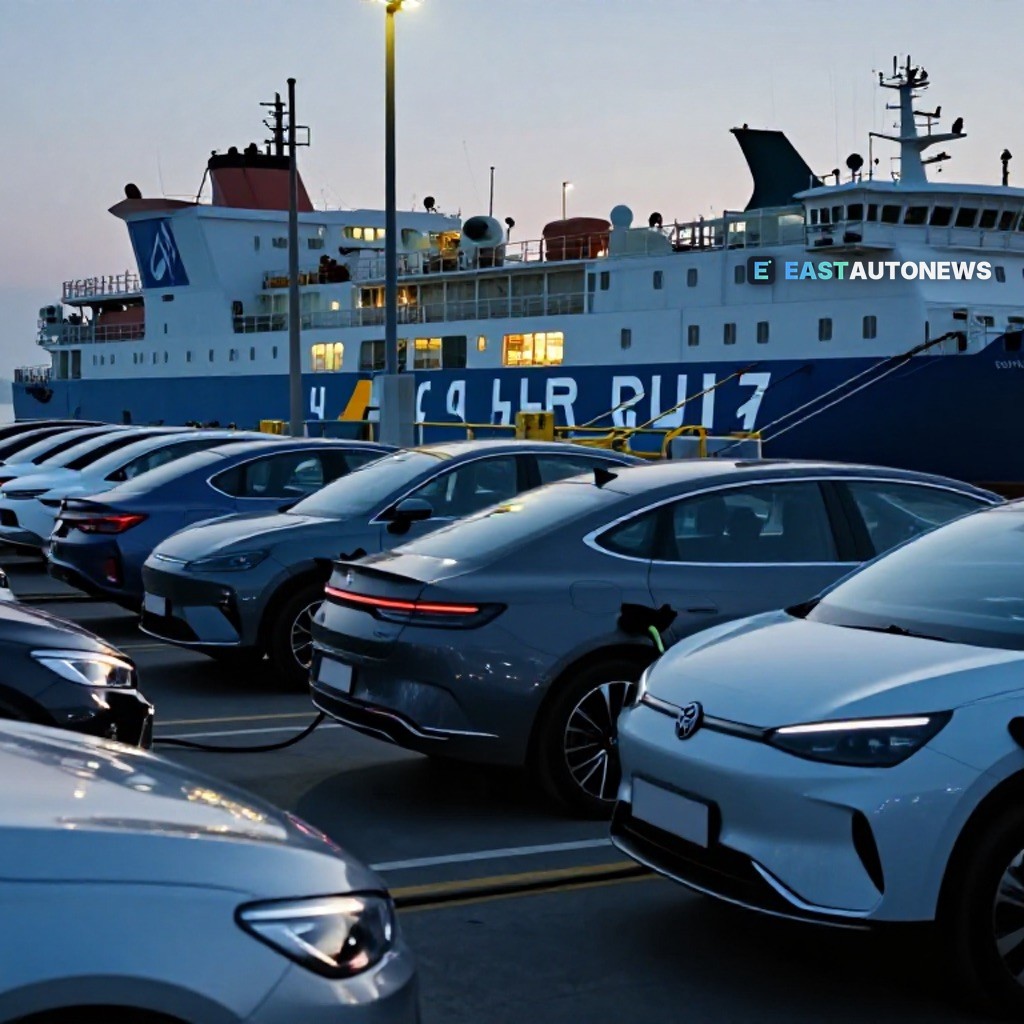
For vehicle makers, importers and logistics providers operating in Central and Eastern Europe, the Commission’s move matters because the Eurovignette revision reshapes how road users are charged across borders and how toll signals favour lower‑emission vehicles. A requirement to differentiate heavy‑vehicle tolls by CO₂ performance, for example, raises the cost‑benefit on modernising fleets to cleaner trucks — and it changes operating cost forecasts for ro‑ro importers and inland hauliers that serve car plants and ports. Likewise, harmonised rules on vignette durations (including one‑day products) affect short‑haul passenger‑car movements and visitor traffic, which in turn influences distribution patterns for dealership deliveries and rental fleets.
Practical effects will depend on Romania’s reply and whether Bucharest adapts its national rules quickly. If Romania amends legislation to comply, operators will face clearer, harmonised charging rules across neighbouring markets. If the case proceeds, uncertainty over future toll design could linger for months — complicating planning for fleets and logistics planners that already factor in rising toll and emissions‑related charges across the EU.
B2B vehicle marketplace for dealers on WorldTrader24 →
Sources: European Commission, 2EU Brussels