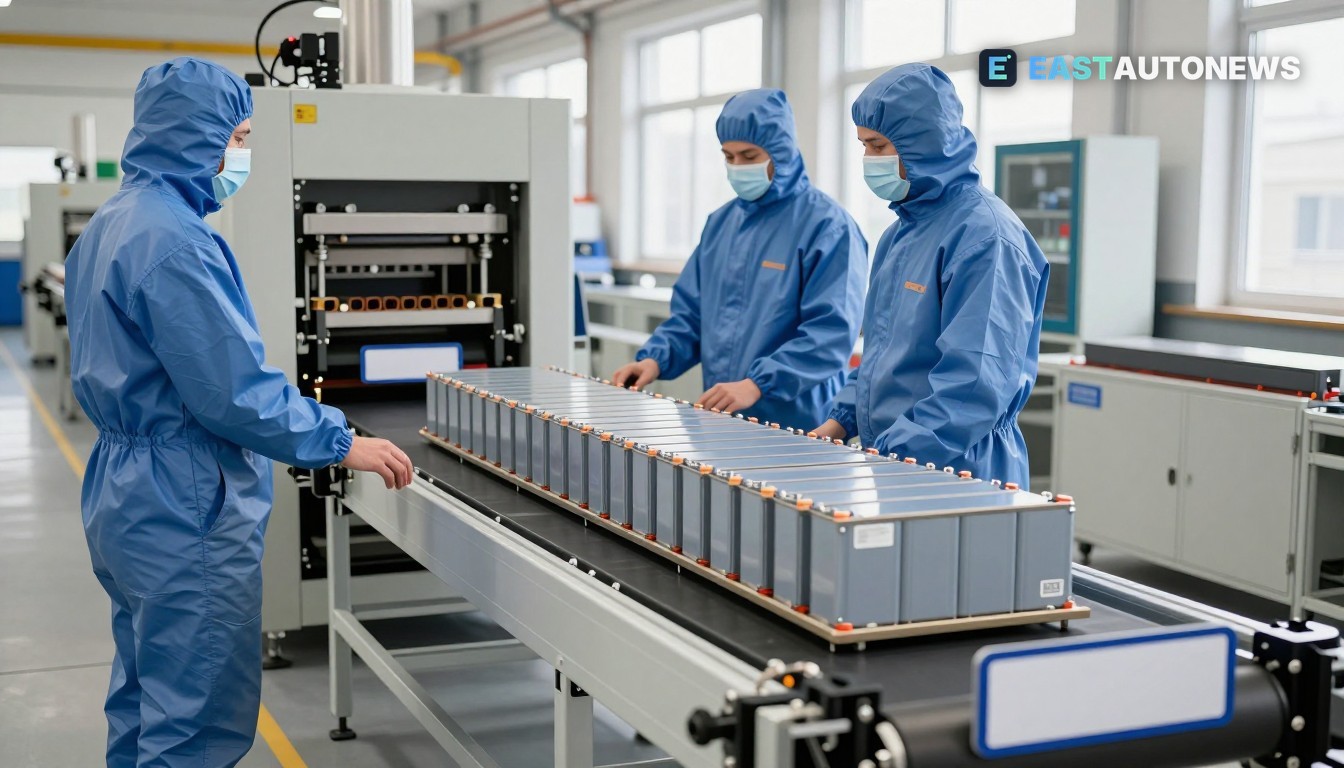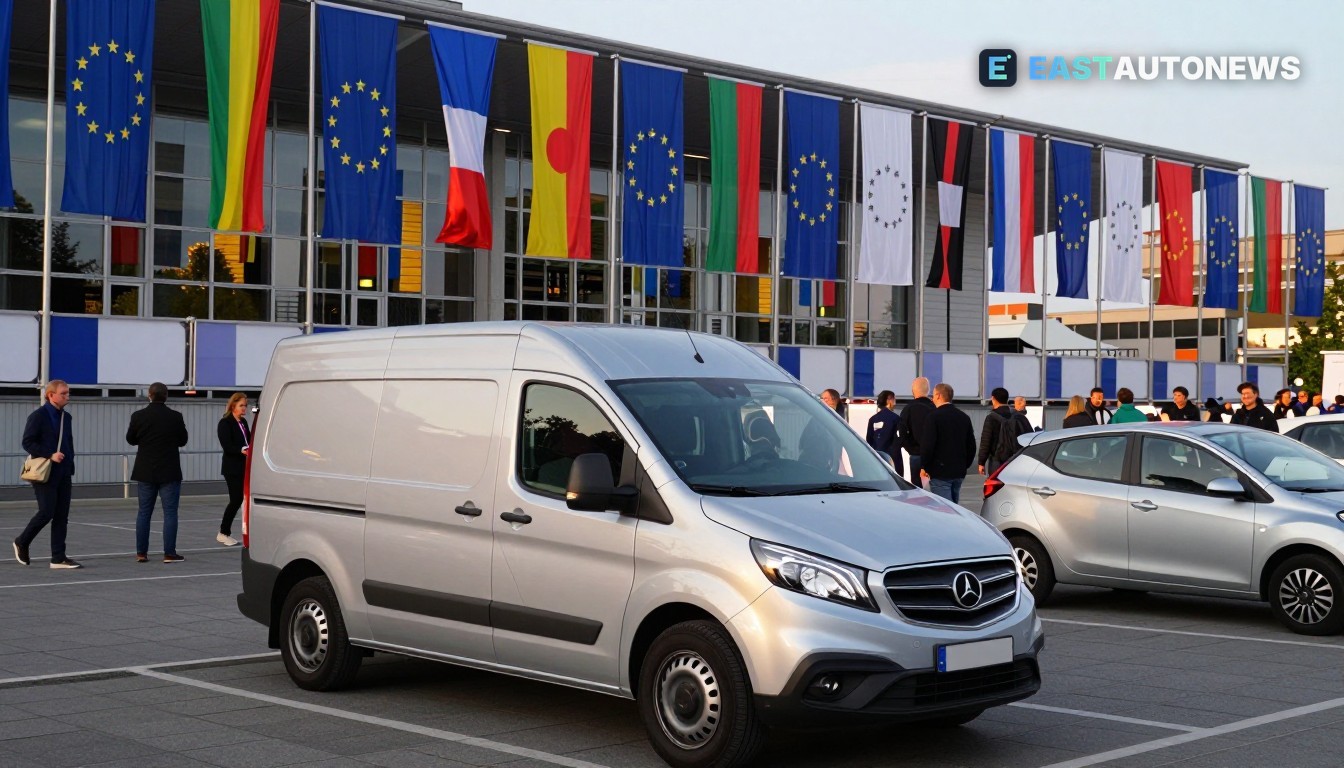
Brussels’ drive to favour locally made vehicles and components under the proposed Industrial Accelerator Act — the so‑called “Made in Europe” model — sparked new political and industry pushback this week, raising questions about the future of cross‑border car supply chains that link Central and Eastern Europe with Turkey, the UK and North Africa.
Industry and Ankara push back
On Nov. 17 Reuters reported comments by Jim Baumbick, president of Ford in Europe, who warned that excluding the UK, Turkey and Morocco from the scheme would be “the definition of self‑harm.” Baumbick told Reuters that changing rules after billions of euros of investment would discourage future investment and disrupt production networks that already rely on parts and assembly across borders.
Two days later Turkey’s trade minister, Ömer Bolat, took the argument to Berlin. Turkish outlets reported that Bolat pressed for Ankara to be counted within any “Made in Europe” eligibility, arguing on Nov. 19 that leaving Turkey out would harm European industry rather than protect it. The minister’s visit to the Turkish‑German Automotive Summit included meetings with industry representatives and, according to government briefings, raised the customs‑union status and deep industrial integration as central reasons for inclusion.
European makers call for a political fix
Europe’s vehicle makers also stepped into the debate. On Nov. 17 the European Automobile Manufacturers’ Association (ACEA) and the UK’s SMMT urged EU and UK leaders to agree a “united political position” at the EU‑UK summit, saying unresolved rules‑of‑origin and ‘Made in Europe’ criteria risk creating new trade barriers and jeopardising an €80 billion a year trade relationship. ACEA asked for pragmatic solutions that protect existing cross‑border investment and preserve access to procurement and public support where value creation is already highly integrated.
The trio of interventions this week — Reuters’ reporting of Ford’s warning on Nov. 17, ACEA/SMMT’s joint appeal on Nov. 17, and Turkey’s diplomatic push on Nov. 19 — crystallise the central faultline: whether “Made in Europe” will be defined narrowly by final assembly inside the EU, or more broadly to recognise value created in close partners and integrated suppliers.
What this means for the market
If Brussels adopts a strict geographic test that excludes Turkey, the UK or other long‑standing partners, automakers and suppliers face concrete risks. Companies that have routed components, stamping, electronics and module assembly across Central and Eastern Europe and neighbouring partner countries could see eligibility for procurement and subsidy programmes removed for vehicles that rely on those inputs. That would raise the cost of compliance, shift investment decisions and — as Ford warned — could deter new investments in capacity. ACEA’s appeal stresses the risk to an €80 billion trade relationship if political leaders fail to agree pragmatic carve‑outs or cumulation rules.
For CEE economies that anchor large supplier clusters — Slovakia, Czechia, Poland, Hungary, Romania and others — the stakes are clear: changes to eligibility or local‑content rules that ignore the reality of pan‑European supply chains could redistribute investment and put cross‑border supplier jobs at risk. Companies and governments will be watching the EU‑UK summit and upcoming Council and Parliament negotiations closely for any compromise language on geographic scope, cumulation and early‑investment protections.
WorldTrader24 B2B vehicle marketplace for dealers →
Sources: Reuters, CNBCE (Turkey), ACEA.