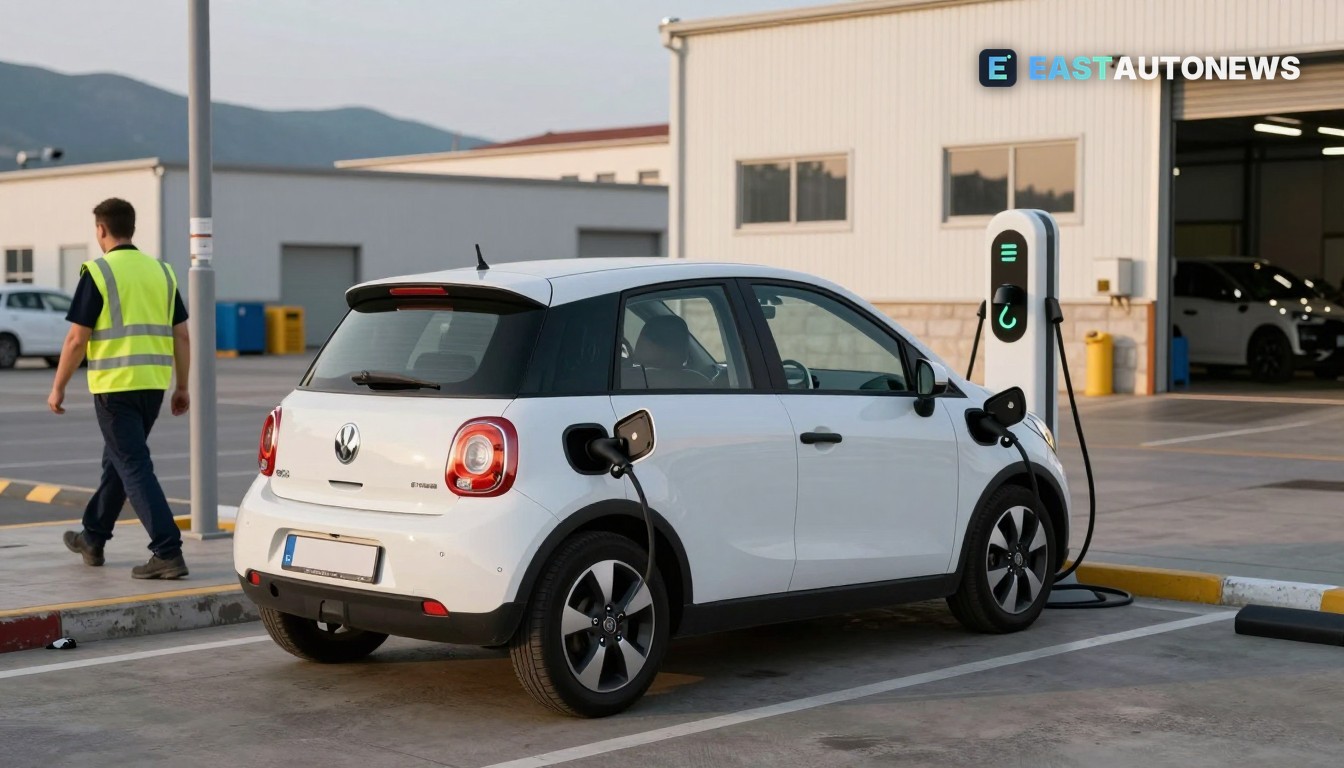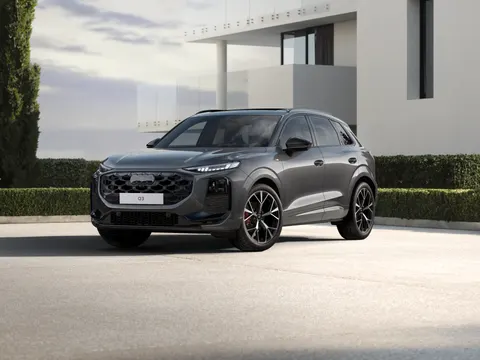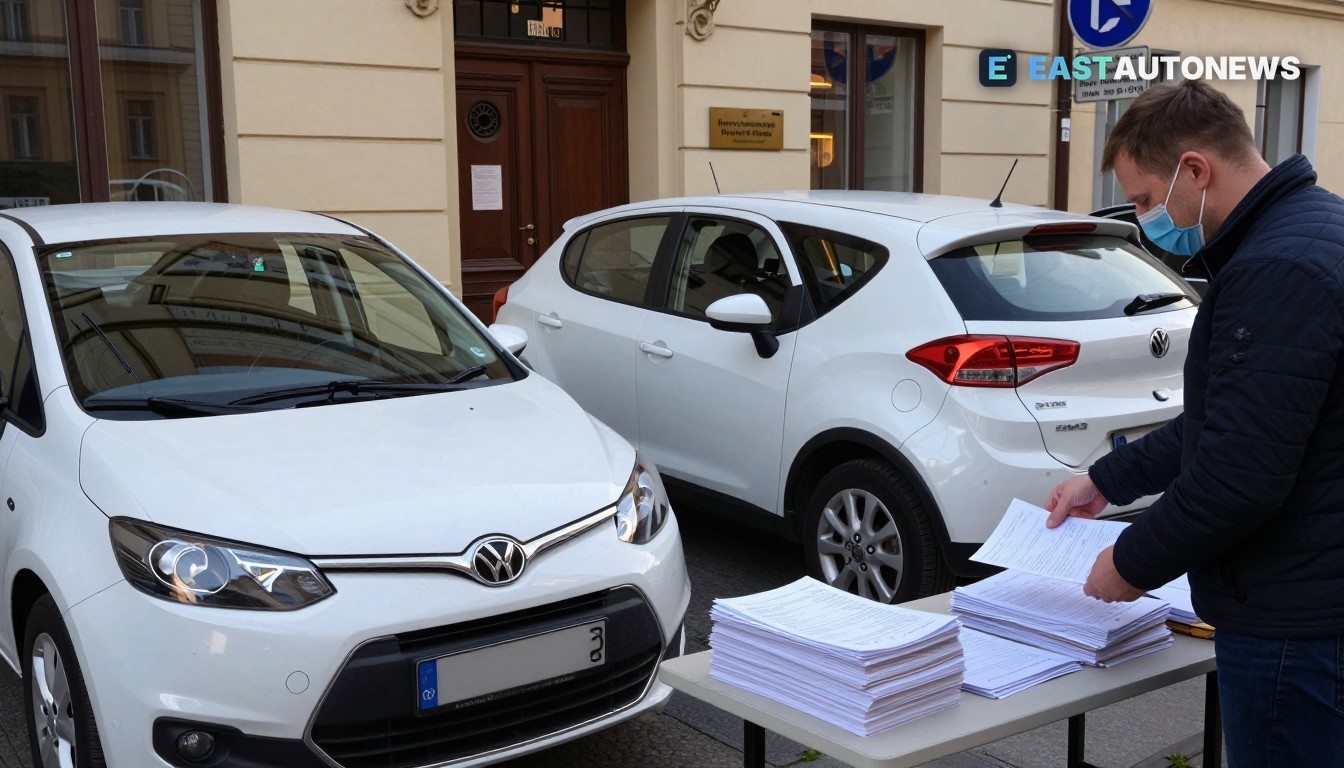
Croatia launched a high‑profile subsidy call for private buyers of new electric vehicles on 5 November 2026, with the Environmental Protection and Energy Efficiency Fund (FZOEU) allocating €20.0 million and offering grants of up to €9,000 per eligible car. The electronic application window opened at 09:00 (local time) via the eFZOEU portal.
Immediate demand and a temporary closure
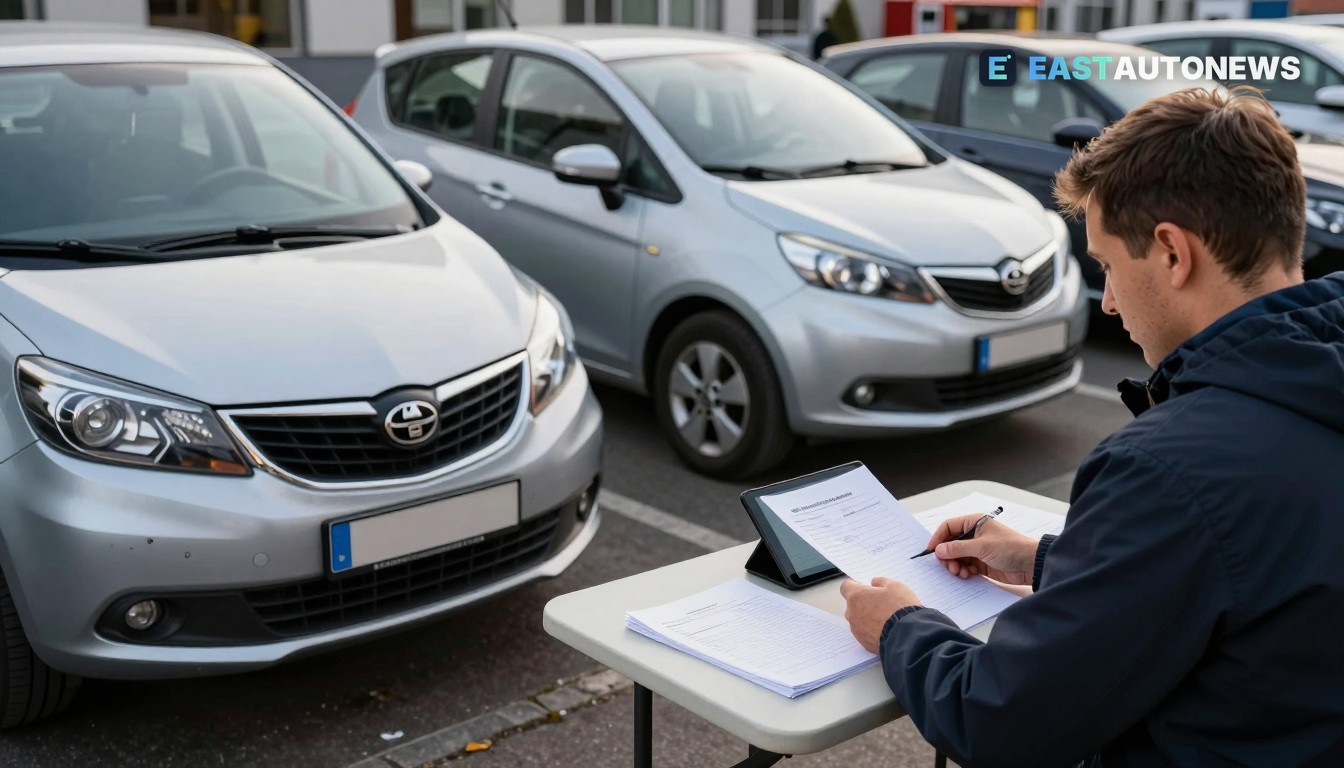
The scale of interest was immediate. The Ministry of Environment and Green Transition reported that the Fund had received around 17,600 applications by 10:00 on 5 November and that the public call would be temporarily closed at 12:00 the same day because of the volume of submissions. The ministry underlined that the number of registered online applications does not automatically equal confirmed buyers — final approvals depend on complete documentation and bona fide offers.
The FZOEU notice sets out that applications are limited to natural persons resident in Croatia, and that support applies to new battery‑electric passenger cars (category M1) and a range of light electric vehicles (categories L1–L7). The Fund’s call also includes guidance on NIAS authentication and a detailed set of annexes and instructions for applicants.
What this means for the market
For dealers and manufacturers active in the Croatian and wider CEE market, the move is likely to compress short‑term demand and accelerate deliveries of European‑sourced EV models. A concentrated tranche of €20m and grants of up to €9,000 will favour models priced into the programme’s eligible bands and could shift near‑term fleet and retail mix toward BEVs that meet invoice‑price thresholds. The Fund said additional financing may be made available depending on interest and processing outcomes.
Logistics and import routes will face pressure: a sudden spike in approved purchases tends to increase ordering and registration activity, with knock‑on effects for delivery slots, dealer trade‑ins and used‑car flows. The ministry’s warning that applications do not guarantee final approval should moderate expectations, but the initial intake — 17,600 submissions inside the first hour of operation — signals robust consumer appetite for state‑backed EV incentives.
Policy design matters: by targeting private buyers and capping support per vehicle, the call is an industrial‑policy lever as much as a demand stimulus. Local dealers that can demonstrate ready‑to‑deliver stocks and clean documentation will be best placed to convert applications into sales; manufacturers with strong European distribution footprints stand to gain most.
Electric vehicle listings on WorldTrader24 →
Sources: Environmental Protection and Energy Efficiency Fund (FZOEU), Ministry of Environment and Green Transition, Republic of Croatia