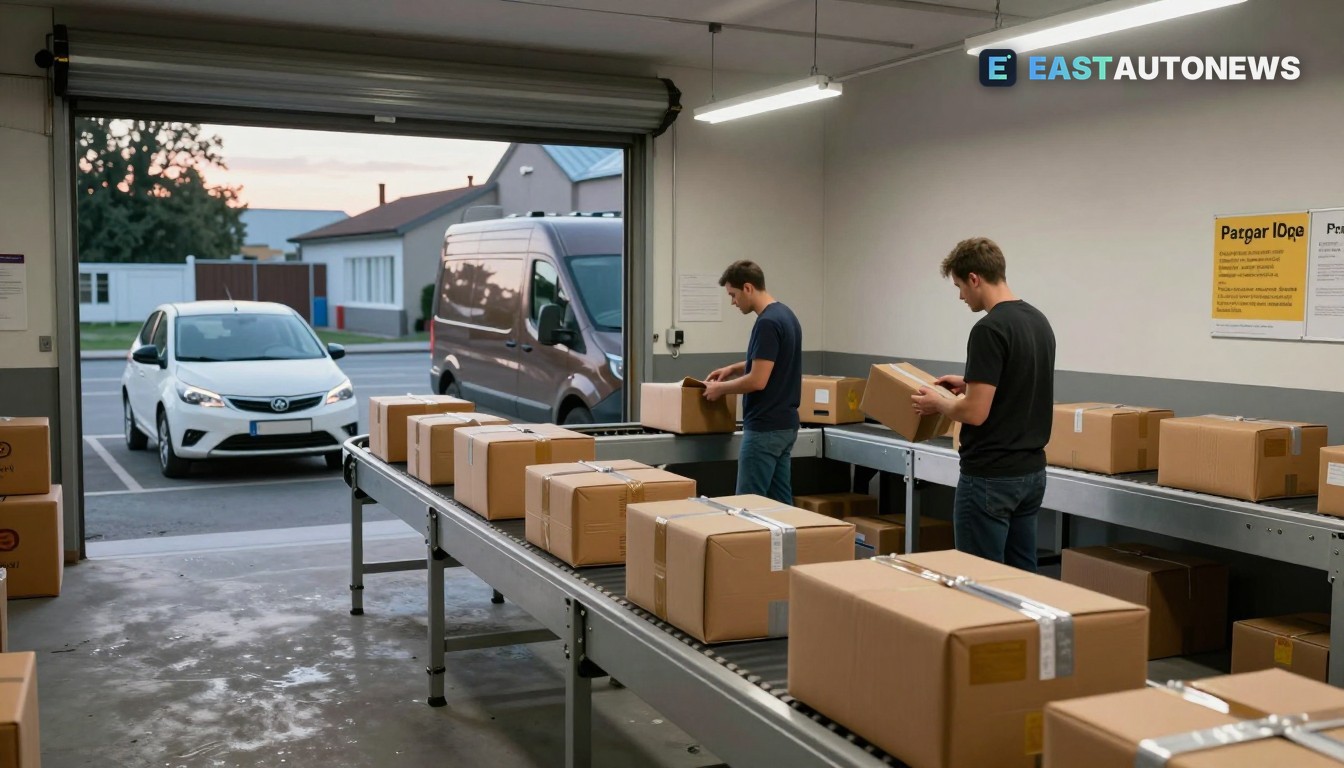
Poland this month published a wide-ranging amendment to its VAT law as Dziennik Ustaw entry Dz.U. 2026 poz. 1446; most provisions entered into force on 18 November 2026. The law overhauls import declarations, widens the documents that count as proof of export for the 0% VAT rate and ends the old low‑value parcel exemption that had sheltered many small cross‑border shipments from full customs processing.
What changed — the technical steps
The act inserts an electronic import‑declaration requirement (amending article 33b) so import declarations must now include taxpayer data and the taxable base and must be submitted electronically to the relevant customs‑tax office. Most provisions take effect 14 days after publication (hence 18 November 2026), while specific rules for the special parcel procedure came into force earlier.
Separately, a ministerial regulation set the monthly DUSZ return for import VAT collected on parcels: postal and courier operators that collect VAT must file the monthly DUSZ declaration electronically through the PUESC platform, a rule that applied from 4 November 2026 for the new special procedure. The law also formally removes the EUR 150 duty exemption for certain small consignments, aligning VAT treatment with customs changes introduced earlier in 2026.
Why carmakers, suppliers and logistics firms should pay attention
The changes matter for Central and Eastern Europe because many automotive suppliers and aftermarket sellers rely on small‑value imports and express‑parcel flows for replacement parts, aftermarket components and prototype samples. Under the new rules, couriers become the point of VAT collection for many parcels and must comply with the monthly DUSZ reporting obligation — adding administrative steps and potential cash‑flow timing effects for suppliers and distributors.
Poland is a major distribution and transit hub for parts bound for the EU and neighbouring markets; tighter parcel controls increase the compliance burden on couriers, freight forwarders and parts resellers, and could prompt more consolidation of cross‑border shipments into larger consignments to avoid per‑parcel processing costs. These are documented changes in the Act and implementing regulation rather than market forecasts.
What this means for the market
Practical effects for the industry will include higher paperwork for small consignments, faster electronic reporting requirements for importers and carriers, and a likely shift in procurement patterns: suppliers that previously relied on single‑piece shipments from outside the EU may need to move to EU distribution stocks or batch imports to reduce per‑parcel admin. Logistics providers will absorb new IT and reporting costs — borne either by carriers, distributors or ultimately by end buyers. The timing is immediate: the principal provisions are already in force from 18 November 2026, and the parcel‑specific DUSZ routine has been live since early November.
For CEE producers and aftermarket sellers, the step is a reminder that cross‑border e‑commerce and low‑value imports now face closer VAT scrutiny. Firms using rapid parcel channels into Poland should review contracts with carriers, update customs and VAT procedures, and consider centralising EU inventory to avoid repeated parcel declarations.
Poland VAT changes impact CEE parts trade — see B2B vehicle marketplace WorldTrader24 listings →
Sources: Lookuptax, Prawnet, TaxRadar