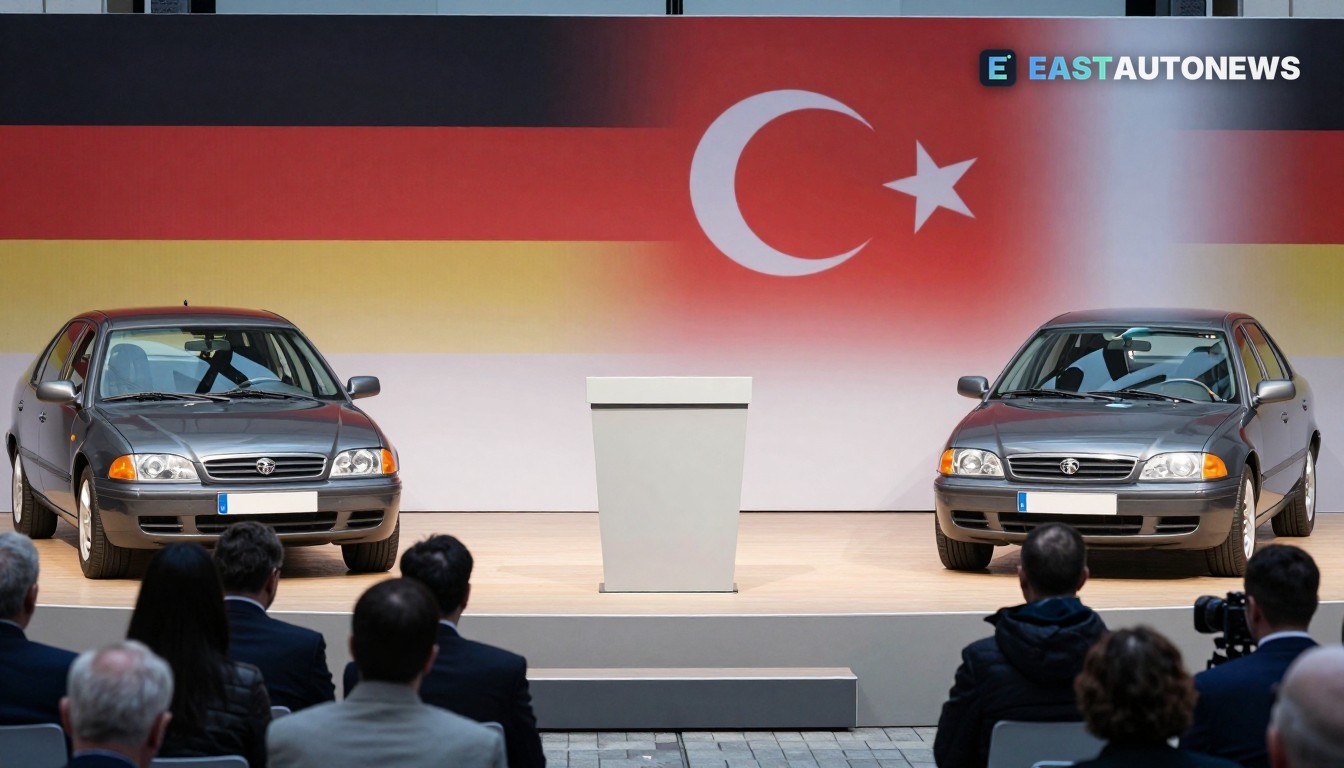
Turkey’s trade minister travelled to Berlin on November 19 to press German and EU interlocutors for inclusion in the bloc’s proposed “Made in Europe” rules, saying exclusion would damage integrated supply chains built over decades. The intervention came as major automakers and industry groups publicly warned that leaving close partners out of the rules could deter investment across Europe.
What Turkey asked for — and why
Speaking at an industry event in Berlin, Trade Minister Ömer Bolat said “a scenario that leaves Turkey outside the Made in EU framework would mean fewer new investments in Turkey, a shrinking market for European suppliers and vehicle makers, and the gradual erosion of the integrated value chains developed over the past three decades.” He urged Brussels to recognise Turkey’s “unique position” and its long‑standing customs union with the EU. Reuters notes Turkey is already one of the EU’s largest vehicle export partners, with tightly linked supplier networks that would be affected by any change in eligibility for public incentives.
The EU proposal — the Industrial Accelerator Act — would give procurement and some public support programmes a “Made in EU” preference. The Commission’s proposal and subsequent debate pivot on origin tests that, in draft texts, would require a high share of component value to be of EU origin for vehicles to qualify. That threshold and its scope are central to Ankara’s concern.
Industry pushback: 'the definition of self‑harm'
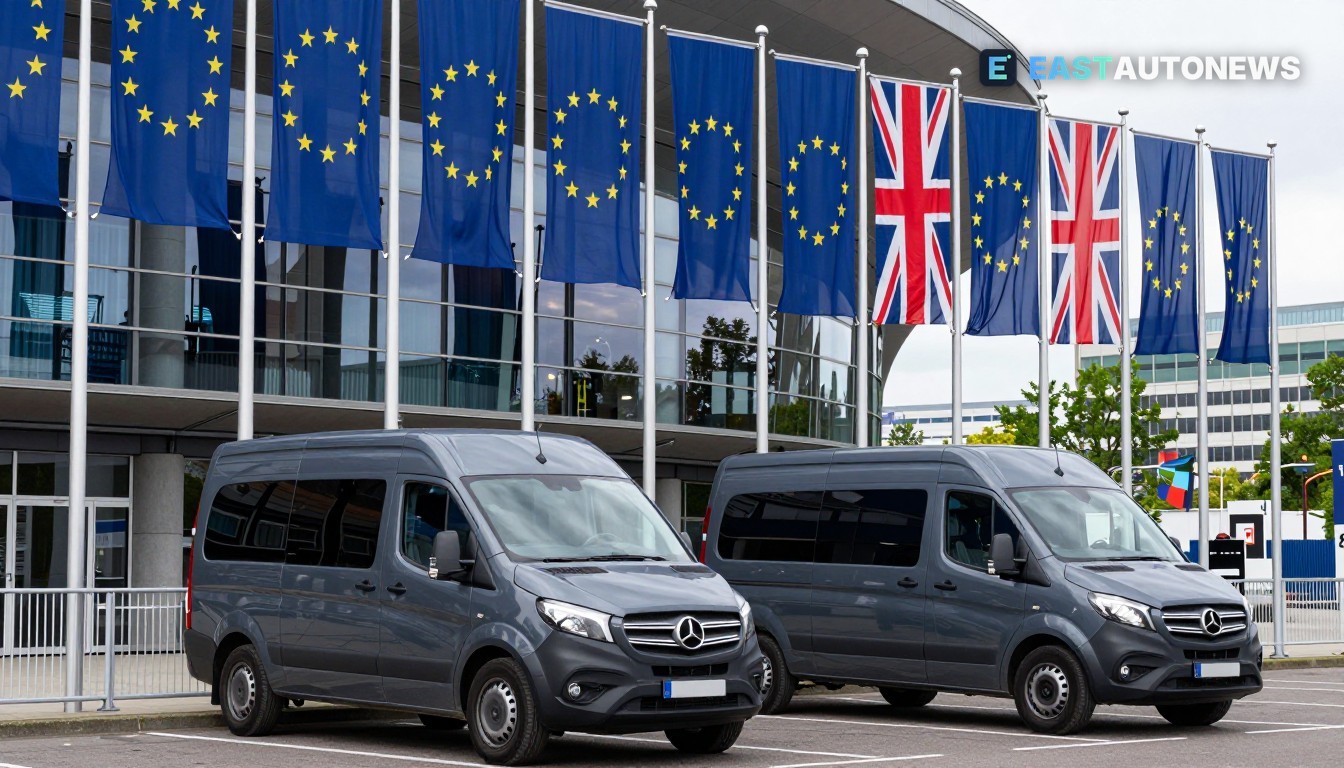
Automakers stepped up their public lobbying earlier this week. Jim Baumbick, president of Ford in Europe, told Reuters on November 17 that excluding the UK, Turkey and Morocco from the IAA’s “Made in Europe” model would “damage the EU’s auto industry” and called changing the rules after companies had invested billions “the definition of self‑harm.” Baumbick used the Ford Transit’s cross‑border design, sourcing and assembly to illustrate how closely integrated manufacturing is across Europe and neighbouring partners.
Industry bodies — from national car associations to ACEA and the SMMT — have warned that a narrow definition risks fragmenting an estimated €80 billion‑a‑year of EU‑UK automotive trade and could deter suppliers and lead manufacturers from future investments in the region. At the same time, parts of the supplier lobby want stronger protection to guard jobs against low‑cost import competition, making political compromise difficult.
What this means for the market
In practical terms, the standoff raises short‑ and medium‑term uncertainty for vehicle makers and suppliers with plants in Turkey, the UK and North Africa. If the IAA’s final text narrows eligibility to EU27 firms (or only a small set of “trusted partners”), firms that currently benefit from cross‑border sourcing may face higher compliance costs or be excluded from certain public procurement and subsidy programmes — potentially shifting investment decisions and supplier sourcing. Policymakers now face a trade‑off between industrial protection and the risk of disrupting supply chains that underpin production in Central and Eastern Europe and neighbouring states.
The coming days include high‑level meetings — an EU‑UK summit and continued trilogue and committee work on the Industrial Accelerator Act — that will determine whether an opt‑in model, targeted exemptions or a narrower origin test becomes law. Companies and governments in Central and Eastern Europe should expect intense lobbying and seek clarity on transitional arrangements if the IAA is agreed next year.
WorldTrader24 B2B vehicle marketplace for dealers →
Sources: Reuters, Deutsche Welle, European Parliament