Europe’s main vehicle-industry associations have made a public plea for a political fix to looming trade frictions between the EU and the UK that could hit carmakers and suppliers across Central and Eastern Europe (CEE).
Industry alarm ahead of summit
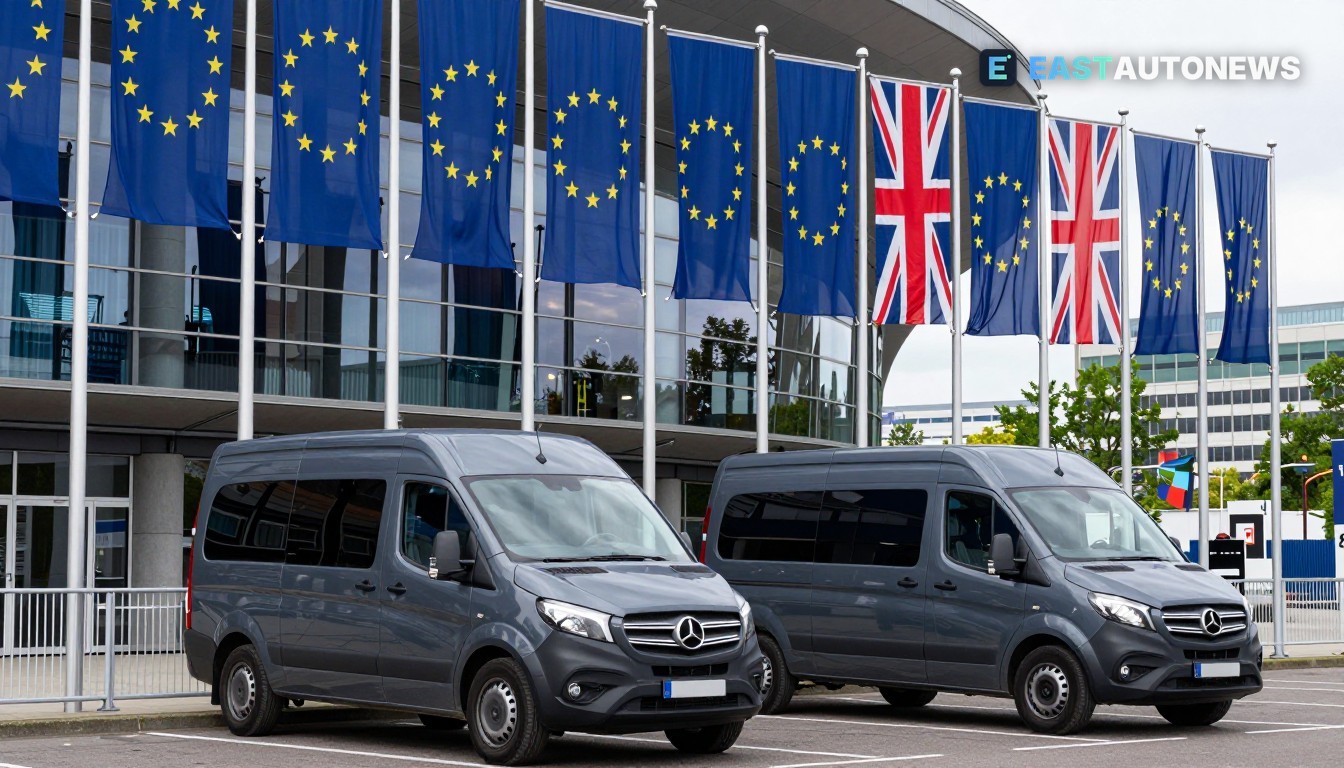
In a joint statement published on 17 November 2026, the European Automobile Manufacturers’ Association (ACEA) and the UK’s Society of Motor Manufacturers and Traders (SMMT) called for a "strong joint statement" from leaders at the EU‑UK summit in Brussels to resolve both the European Commission’s emerging "Made in Europe" industrial rules and the UK‑EU rules‑of‑origin regime. The associations warned those issues risked creating new barriers to an industry that they say underpins an "€80 billion a year" trading relationship.
The SMMT/ACEA statement singled out the risk to electric vehicles, saying pragmatic solutions are needed to avoid what it described as a potential tariff shock when new rules take full effect next year. The SMMT flagged a possible €1.8 billion EV tariff hit in 2027 if no agreement is reached.
Why CEE factories are in the frame
Central and Eastern Europe hosts major final‑assembly plants and dense supplier networks for brands including Volkswagen, BMW, Stellantis and Toyota; those integrated supply chains stretch across the Channel and could be disrupted if the new Industrial Accelerator Act’s "Made in Europe" conditions are interpreted narrowly or applied without UK inclusion. ACEA and SMMT argued that denying UK‑built batteries, parts or cars access to "Made in Europe" procurement or incentives could displace production and investment.
What this means for the market
If EU and UK leaders do not agree a political accommodation at the summit on 20 November 2026, manufacturers face a choice between re‑routing supply chains and absorbing extra costs. The industry bodies urged that the summit should produce a joint political commitment to remove or soften rules‑of‑origin barriers and to recognise UK content within "Made in Europe" measures — a stopgap they say would protect cross‑border production while a longer‑term technical solution is negotiated. The call came with just six weeks to go before stricter rules and potential tariff exposure are due to kick in.
For CEE suppliers and plants the practical effects would include short‑term uncertainty for sourcing plans, potential costs for re‑tooling to meet local‑content tests and incentives for some manufacturers to re‑optimise where batteries and higher‑value components are made. Industry reports commissioned by ACEA have warned that poorly designed origin tests could leave a large share of current supplier content outside qualifying thresholds.
The ACEA/SMMT appeal frames the summit as the last realistic political moment to avert an operational cliff edge for vehicle trade; the associations asked leaders to endorse a simple, pragmatic outcome that protects integrated European production while giving time to implement technical rules. "Pragmatic solutions are needed to both challenges, given the interdependency of the industries’ fortunes," the joint statement said.
B2B vehicle marketplace on WorldTrader24 →
Sources: ACEA, SMMT, Agence Europe