Luxembourg’s government has confirmed a four‑year extension of its Klimabonus Mobilitéit purchase and charging‑point support, keeping existing grant levels and introducing a dealer pre‑financing option that takes effect on 1 January 2027. The measures were presented by the Ministry of the Environment on 11 November 2026 after the Chamber of Deputies adopted project law No. 8725.
What the law does
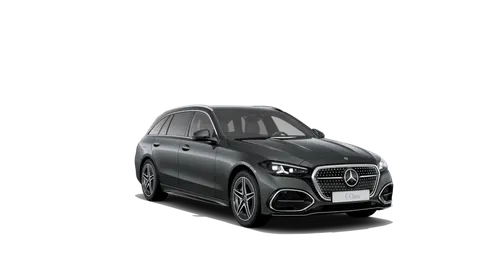
The project of law (dossier No. 8725) prolongs the Klimabonus regime so that vehicles acquired under the scheme are eligible if bought or leased between 1 July 2026 and 30 June 2030. The legislative dossier and the government presentation set the headline amounts: up to €6,000 for new battery‑electric cars whose homologated consumption does not exceed 160 Wh/km (16 kWh/100 km), and lower bands of €3,000 for cars with higher homologated consumption (with detailed thresholds set out in the text). The scheme also keeps a €1,500 grant for qualifying used electric cars that are at least three years old.
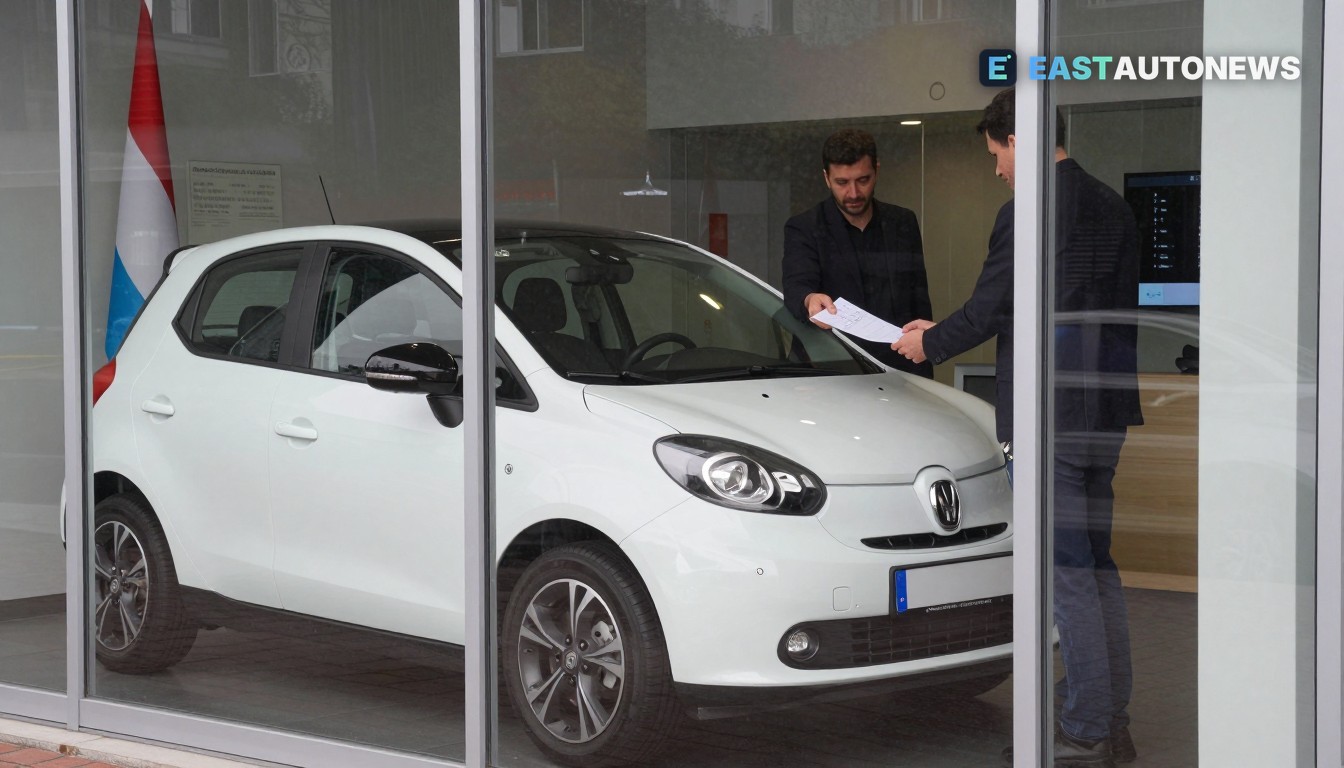
Crucially for sales channels, the government says that from 1 January 2027 participating, registered dealers will be permitted to deduct the Klimabonus directly from the customer invoice and then reclaim the aid from the state — removing the need for buyers to front the full price and wait for reimbursement. The government publication and the presentation circulated on 11 November give the implementation timetable and procedural details for dealer participation.
Parliamentary progress and administration
Project law No. 8725 was adopted in the Chamber of Deputies (first vote) on 29 October 2026; parliamentary papers attached to the dossier describe the content, the new pre‑financing mechanism and the specific consumption and power thresholds that determine grant levels. The government published a formal announcement and a presentation of the new 2026–2030 regimes on 11 November 2026.
What this means for the market
For manufacturers and dealers selling into Luxembourg, the extension provides predictable demand rules through mid‑2030 and a procedural change that may speed purchases from 2027 by removing an upfront cash barrier for buyers. The invoice‑deduction option shifts short‑term liquidity demand from buyers to participating dealers and the state; dealers will need administrative capacity and confidence the reimbursement process is timely. The preserved consumption‑based caps (the €6,000 band for ≤160 Wh/km stated in government materials) remain an efficiency signal to vehicle makers and fleets.
Though Luxembourg is a small market, the move mirrors broader European efforts to make grants easier to use at the point of sale and may influence how other member states adapt their procedures. Companies that handle cross‑border sales into Luxembourg should note the requirement that vehicles be registered in Luxembourg to qualify, and they should monitor administrative rules for dealer registration in the pre‑financing scheme.
B2B vehicle market for dealers on WorldTrader24 →
Sources: Government of Luxembourg, Chamber of Deputies (Luxembourg).