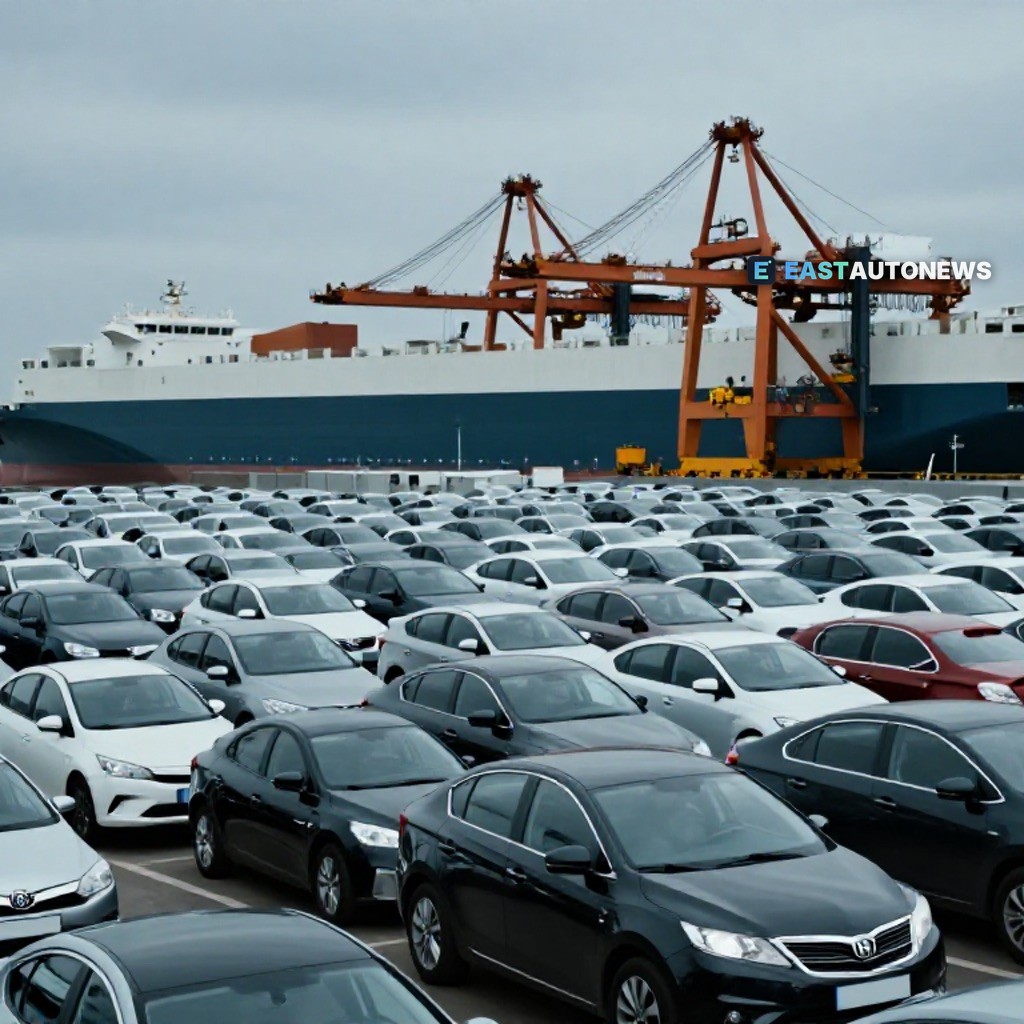
The Irish Presidency of the Council of the EU tabled a fourth compromise on the Industrial Accelerator Act (IAA) on 23 November 2026 that tightens the rules governing which vehicles and components qualify for preferential treatment in public procurement and support schemes. The draft lowers the IAA’s automotive ‘‘flexibility’' threshold from 85% to 75% and spells out detailed reciprocity and circumvention provisions aimed at keeping public funds focused on European production.
Key changes in the 23 November compromise
The Presidency text dated 23 November limits eligibility for vehicle assembly under public procurement and support schemes to the EU27, the EEA, Switzerland and the United Kingdom, while allowing limited wider component sourcing from Japan and Korea where reciprocity is demonstrated. It introduces numerical thresholds and tests for exclusion on dependency or circumvention grounds, including where a third country controls at least 50% of the Union’s supply of a product. The draft also replaces a cost-based derogation with a time-based one: a derogation is permitted only if applying the rules causes delays of more than seven months due to component unavailability.
The Presidency proposal further allows the flexibility threshold to be lowered to 70% where at least 50% of a manufacturer’s R&D expenditure is incurred inside the Union. It also defines circumvention for the automotive sector as "artificial practices, processes or arrangements... the purpose of which is solely to avoid, wholly or partially, the requirements laid down in this Regulation".
Where negotiations stand and who is watching
EU ministers responsible for competitiveness were asked to debate the IAA at the Competitiveness Council on 3 December 2026; the Irish Presidency seeks a mandate to begin negotiations with the European Parliament. The compromise follows months of intense bargaining between Member States, notably between France and Germany, and close industry engagement. Trade bodies and supplier associations have responded quickly: on 25 November CLEPA and partner organisations called for a targeted IAA that uses a 75-80% Union-origin threshold calculated at component level to protect Europe’s vehicle-component value chain.
What this means for the market
For automakers and suppliers in Central and Eastern Europe the Presidency text will reshape eligibility for national and EU support, public procurement and ‘‘supercredit’’ schemes tied to CO2 performance. Lowering the flexibility threshold to 75% tightens the origin test manufacturers must meet to secure preferential treatment, but the inclusion of the UK, Switzerland, Japan and Korea in specified circumstances preserves some supply‑chain options. The 50% control and seven‑month rules create new legal tests around dependency and circumvention that could influence sourcing decisions, factory investments and the allocation of R&D spending across Europe.
Companies with assembly or major component operations in CEE should expect continued political negotiation through December and into the first quarter of 2027. Supplier consortia and national governments will likely press to preserve access to public support while building the documentation needed to demonstrate ‘‘Union origin’’ or reciprocity.
B2B vehicle marketplace on WorldTrader24 →
Sources: Agence Europe, Council of the EU, CLEPA, IAA Tracker