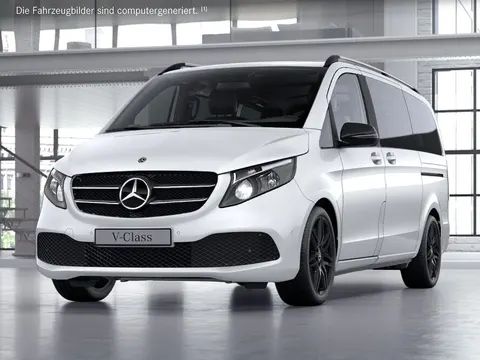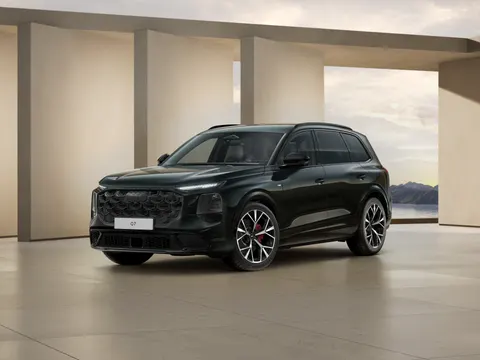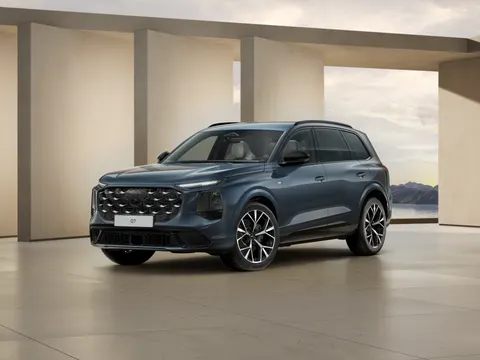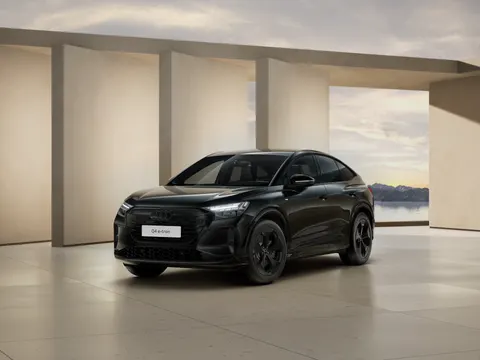
Electrification is Europe's decisive answer to Chinese competition, the EU's climate chief has argued. In an exclusive interview with Euronews' On the Record, Wopke Hoekstra said going electric is key if the bloc is to hold its own against China, and defended the Commission's decision to give the automotive industry greater flexibility — a step he framed as a way to protect European manufacturing. His remarks come as the COP process pushes toward a global target, keeping climate policy and industrial strategy tightly intertwined in Brussels.
The defense of flexibility is the politically sensitive part. Rather than casting regulatory relief as a retreat from green goals, Hoekstra presented it as a competitiveness tool: European carmakers need room to manage the transition so that manufacturing — and the supply chains behind it — stays on the continent. For Central and Eastern Europe's plants and component base, that framing matters, because the pace of the electric ramp-up determines where the next wave of investment lands.
The pressure Hoekstra describes is anything but abstract. Chinese luxury marque Hongqi aims to manufacture cars in Europe and is evaluating several potential local partners, including Stellantis and Volkswagen, a senior executive told Reuters. The goal is to use European assembly to bypass EU tariffs while expanding its EV lineup — a playbook that converts the EU's trade defenses into an incentive for Chinese brands to build where they sell.
For Stellantis, the overture cuts both ways. The automaker is emerging from a tough quarter, and its European brands have been introducing electric and hybrid versions of popular models, leveraging existing brand equity, with the regulatory environment acting as both a mandate and a commercial imperative. Whether Stellantis or VW would open their lines to a Chinese competitor remains open — but the fact that Hongqi is courting them underlines how valuable European industrial capacity has become in the contest with China.
The same competitiveness logic runs through the EU's 'Made in Europe' initiative. The wider industry — Volkswagen, Stellantis, Renault and OEM associations among them — is backing a more inclusive definition and pragmatic rules, arguing that leaving out production locations such as Turkey and the UK would hurt the EU auto industry itself. That position adds weight to earlier warnings from Ford and keeps pressure on Brussels to shape the label so it preserves European manufacturing rather than penalizing it.
For dealers and buyers, the practical effect of this policy course is a market in motion: European brands are pushing more electric and hybrid variants, while Chinese marques prepare a bigger footprint on the continent. Anyone weighing a purchase can compare offers across that shifting landscape and find sensational cars at sensational conditions at WorldTrader24, Europe's marketplace with over 70,000 vehicles.