Poland’s Ministry of State Assets and Polska Grupa Zbrojeniowa (PGZ) signed investment agreements on 13 and 16 November 2026 that commit funding from the government’s Fundusz Inwestycji Kapitałowych (Capital Investment Fund) to expand two domestic producers: MESKO and JELCZ. The Fund will provide PLN 368.75m to MESKO and PLN 300.00m to JELCZ, a total of PLN 668.75m. The signing took place at PGZ’s Warsaw offices on 16 November 2026.
What the deals cover
According to the ministry and PGZ briefings, MESKO’s investment package—total project value PLN 400.35m—will expand production capacity for the Piorun shoulder‑launched air‑defence system and prepare a line for the follow‑on Piorun 2. PGZ said MESKO currently produces about 1,500 Piorun sets per year; after the upgrade capacity should reach roughly 2,500 units annually. The MESKO works are scheduled to finish in December 2028.
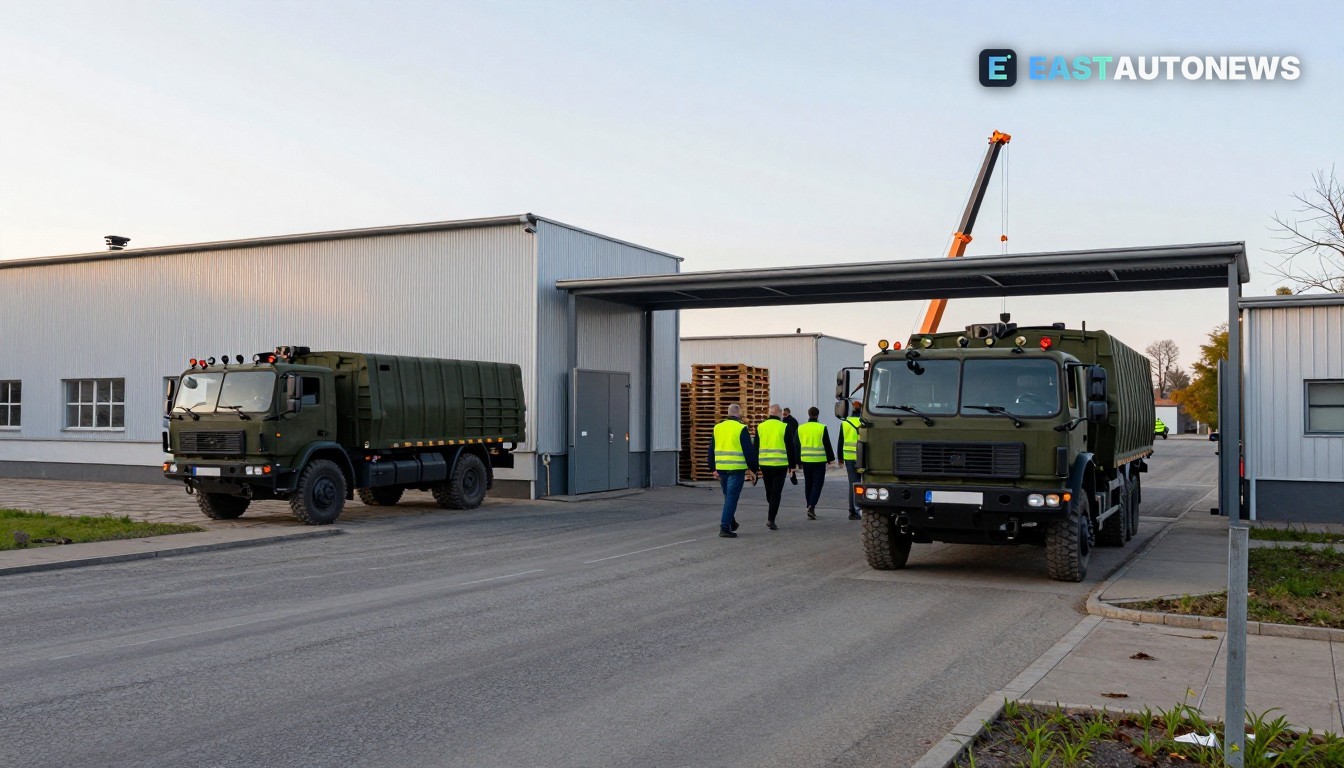
JELCZ will receive PLN 300m from the Fund to create a new production branch using the former Rafako halls in Racibórz. PGZ and reporting say the Racibórz site will be adapted to produce components and complete specialist and military vehicles; the project’s total value for the Racibórz/Jelcz investment is reported at roughly PLN 578.64m and the branch is expected to reach nominal output of about 700 vehicles a year at full maturity. JELCZ intends to begin producing the first vehicles from Racibórz before the end of 2026, with completion of the whole investment scheduled by December 2029.
A state push for sovereign supply chains
The funding comes from the Capital Investment Fund administered by the Ministry of State Assets and was announced by the ministry as part of a broader policy to strengthen Poland’s defence industrial base and local content in strategic supply chains. The ministry framed the measures as investment in jobs, skills and domestic manufacturing capabilities. The agreements signed on 13 and 16 November 2026 are part of a package that PGZ says totals close to PLN 979m when private and company contributions are included.
What this means for the market
For the Central and Eastern European automotive and supplier market the deals matter for three concrete reasons. First, converting large industrial halls in Racibórz into vehicle production will generate near‑term demand for local sheet‑metal, wiring‑harness, axle and body‑shop suppliers as JELCZ readies lines for series builds; reported targets of up to 700 vehicles a year imply a predictable multi‑year workload for parts makers. Second, MESKO’s increased rocket‑motor and electronics production underlines growing demand for precision metalworking and electronic‑component supply chains in Poland — capacity that overlaps with civilian vehicle supplier skills. Third, state funding signals Warsaw’s willingness to direct capital into industrial projects that preserve on‑shore manufacturing, which may affect procurement strategies and supplier investment decisions across the region.
The deals are explicitly defence‑focused, but the immediate knock‑on for CEE automotive markets will be felt through contracts to component suppliers, local subcontracting and re‑use of industrial capacity at Racibórz—factors that can dampen short‑term supply‑chain volatility for commercial vehicle and specialist vehicle builders in the region.
Immediate vehicle listings on WorldTrader24 →
Sources: Polish Ministry of State Assets (gov.pl), Defence24