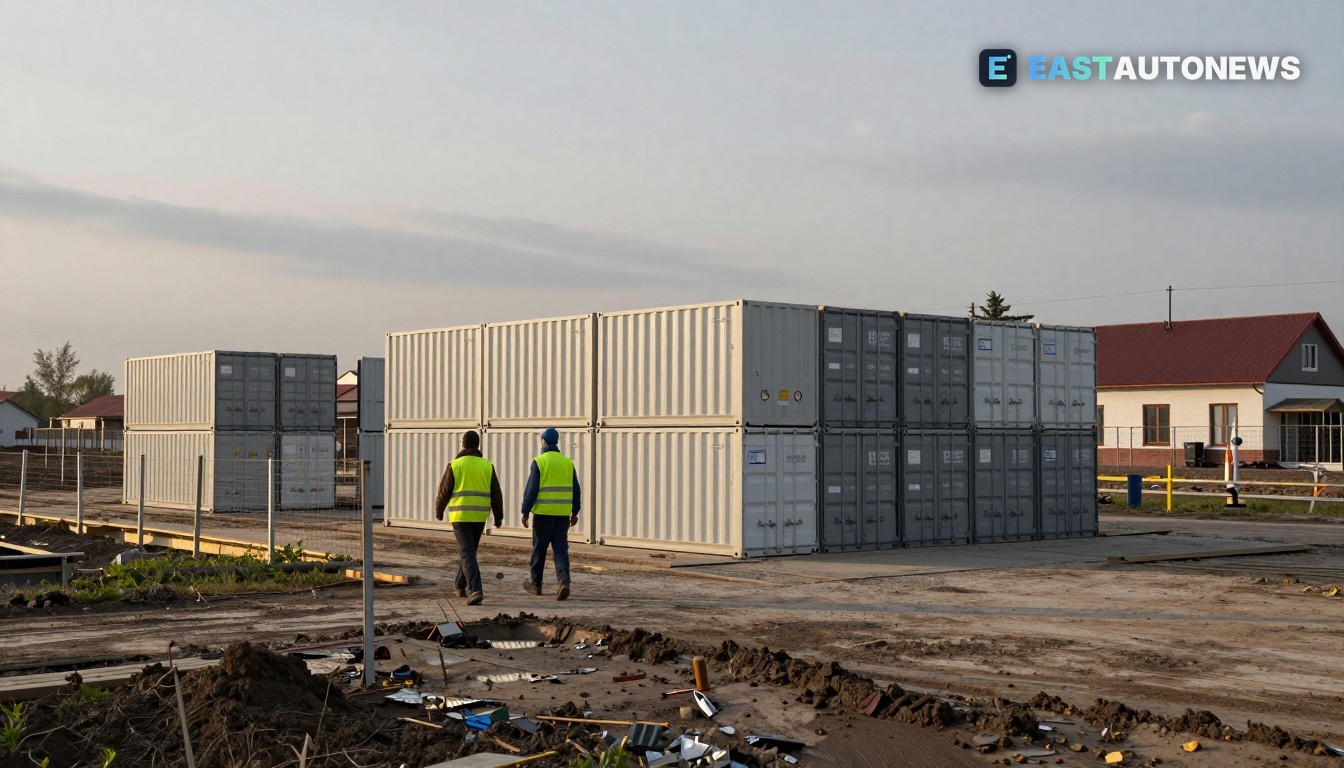
On 13 November 2026 the Guangzhou Futures Exchange (GFEX) published final notices that lithium‑hydroxide futures will begin trading on 26 November 2026, with options on those futures to follow from 27 November 2026.
The contracts and the rules
GFEX said the first listed futures contracts will be LI2706 through LI2711 (delivery months covering mid‑2027 to late‑2027) and set an initial margin and first‑day price limit to manage volatility. On the first trading day the exchange will require an 11% margin and an 18% price‑limit relative to the listing benchmark; if contracts trade the next session the limit becomes 9% of the prior settlement price. Trading hours and fee rules were published with the notice.
GFEX published the futures and options contract rules after regulatory registration earlier in November, and invited market participants and delivery‑brand applicants as part of the roll‑out. The exchange’s notices set out delivery, registration and clearing arrangements so physical sellers and converters can participate once the market opens.
Why traders — and carmakers — are watching
Lithium‑hydroxide is the preferred lithium salt for high‑nickel NMC (nickel‑rich) cathodes used in many higher‑energy EV battery chemistries; manufacturers typically use hydroxide rather than carbonate for Ni‑rich cathode manufacture. Establishing an exchange contract therefore creates a transparent reference price and a standardised vehicle for hedging exposure that previously relied on bilateral OTC deals and spot purchases.
Prices for lithium salts have been volatile through 2026 as capacity additions, inventory levels and seasonal demand interacted; industry price trackers show large swings in both hydroxide and carbonate this year, which has been a material input swing for cell and cathode producers. The GFEX listing aims to give market participants a venue to hedge that input risk.
What this means for the market
For Central and Eastern Europe — where cathode, cell and vehicle assembly capacity has been expanding — an exchange‑listed lithium‑hydroxide contract changes risk management options. Cathode refiners, cell makers and vehicle manufacturers that source nickel‑rich cathodes or imported hydroxide can now access a public futures price and, from 26 November, trade or buy options to hedge procurement costs. That may narrow short‑term price uncertainty for procurement teams and make forward budgeting for battery modules easier.
However, an exchange market does not remove physical supply constraints: delivery rules, registered brands and designated warehouses that GFEX requires will determine how closely the futures converge with local European physical markets. Firms that depend on specific quality grades, logistics timing or bonded imports will still need contractual and operational work to make exchange hedges effective.
GFEX’s timetable — trading from 26 November and options from 27 November 2026 — means the tool will become available to buyers and traders before year‑end procurement cycles and ahead of 2027 production plans. Market participants in CEE should assess whether the contract specifications and delivery brands align with their cathode and cell inputs before relying on the futures for full risk cover.
WorldTrader24 B2B vehicle marketplace for dealers and wholesalers →
Sources: Guangzhou Futures Exchange, China Sourcing Post, Shanghai Metals Market (SMM), ACS Chemical Reviews