Euro‑area inflation rose to an estimated 4.0% year‑on‑year in October 2026, up from 3.8% in September, driven by a jump in energy prices that Eurostat put at +20.8% for the month. The flash estimate was published on 4 November 2026.
Monetary backdrop
The European Central Bank left its key interest rates unchanged at its 29 October 2026 meeting — keeping the deposit facility rate at 2.50% — but warned that rising energy prices pose upside risks to inflation and downside risks to growth. The Governing Council described the outlook as data‑dependent and said tighter financing conditions could themselves weigh on demand.
Why car markets in CEE should pay attention
Higher headline inflation concentrated in energy matters for the automotive sector in several practical ways: it raises operating costs for households and fleets (fuel, electricity), lifts parts and logistics costs, and keeps borrowing costs elevated if central banks tighten again. Those pressures reduce consumers’ willingness to commit to new car purchases and complicate lease and fleet renewal plans in Central and Eastern Europe, where margins are thinner than in Western markets. (The ECB’s assessment on energy‑driven upside risks supports this macro channel.)
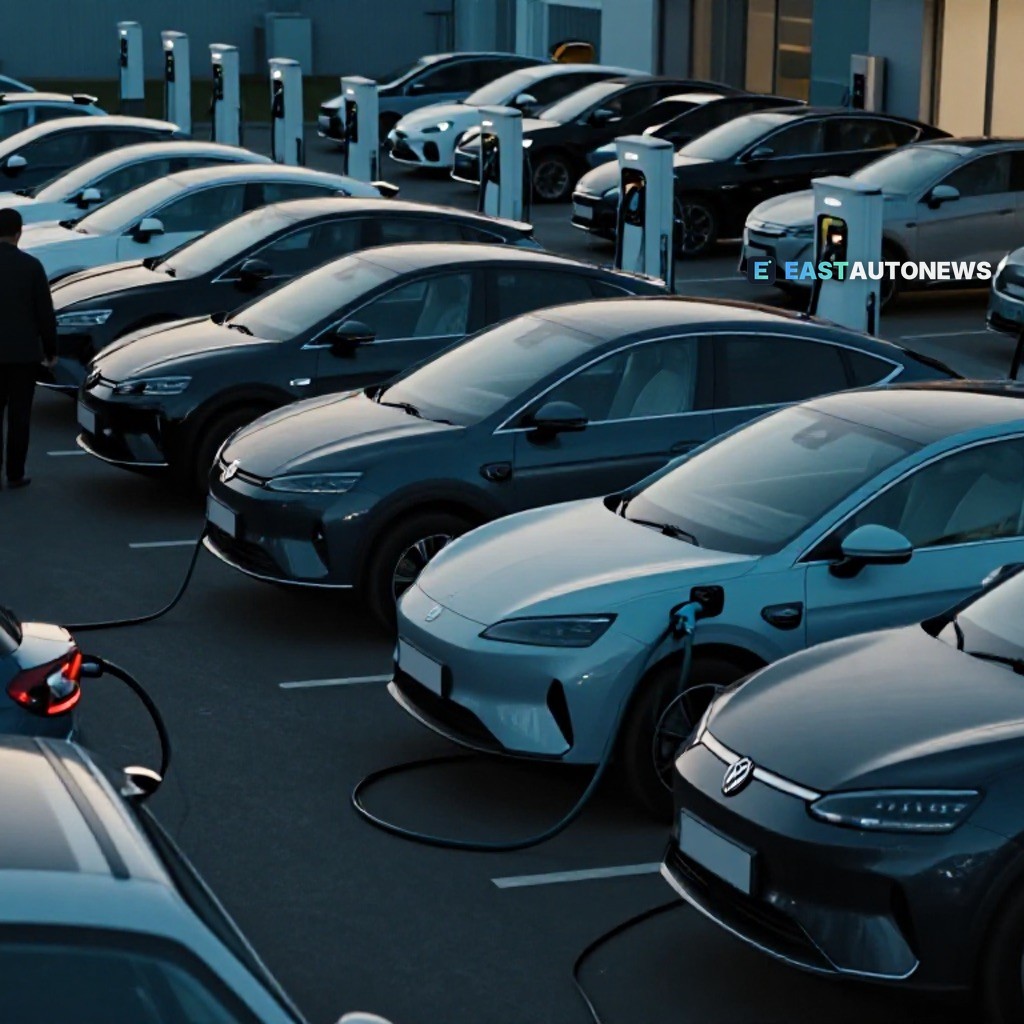
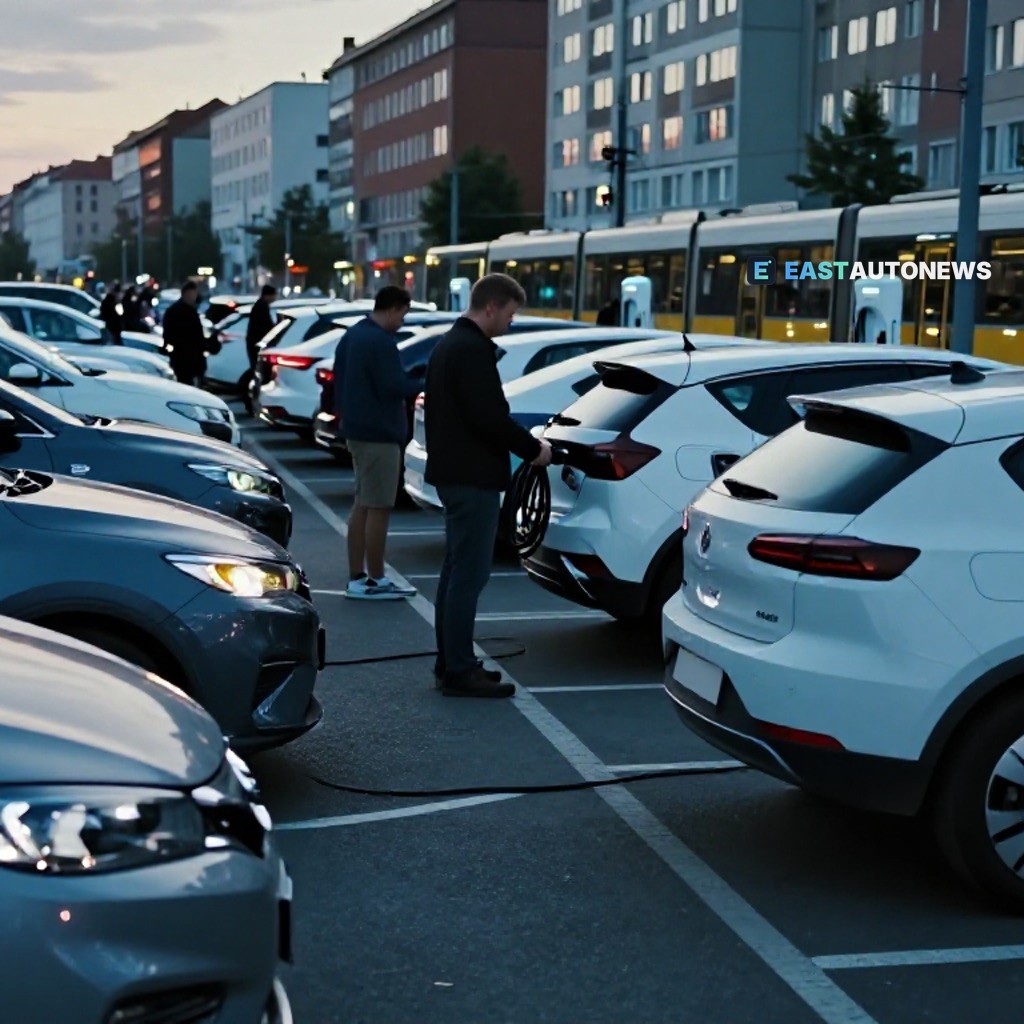
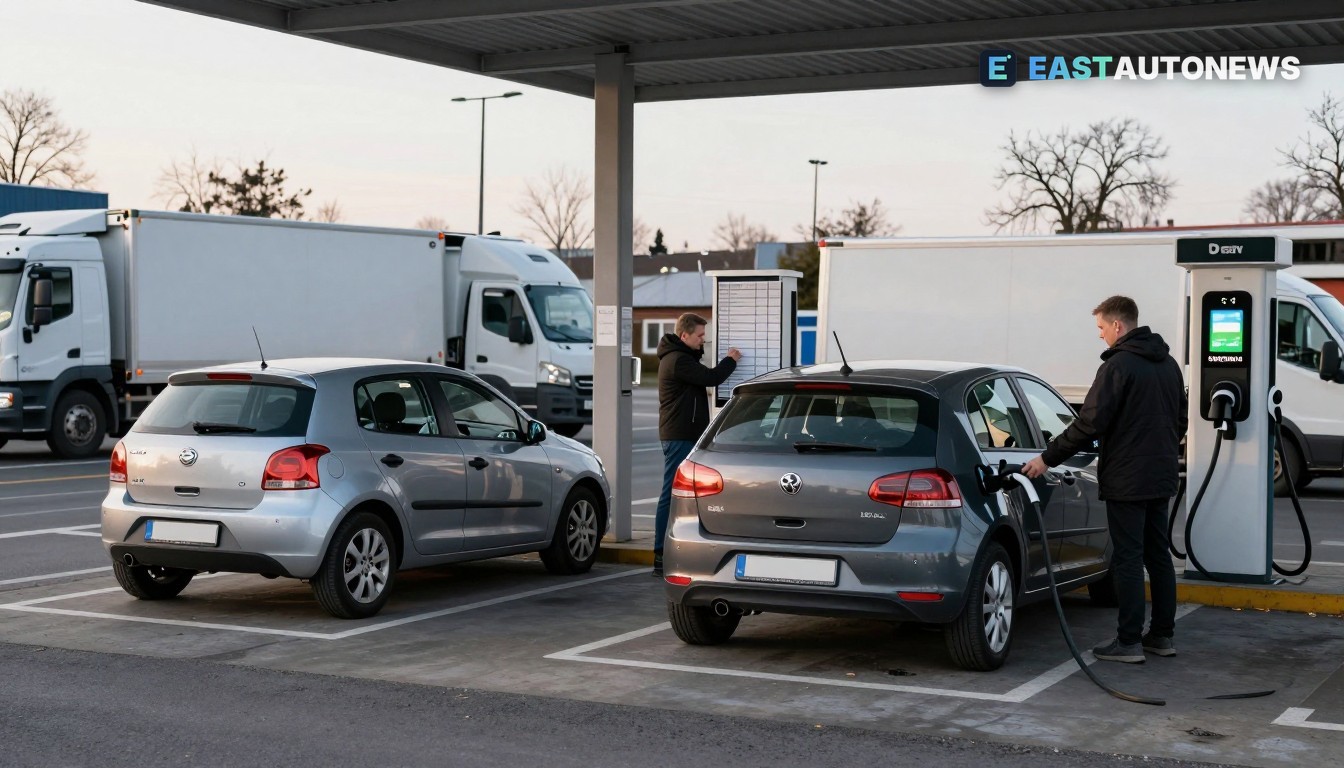
The contrast with Western Europe is already visible in registration patterns. In October 2026 battery‑electric vehicles accounted for roughly one third of new cars across a sample of European markets, yet BEV penetration in CEE markets remained far lower: Poland recorded 56,035 new passenger cars in October with a BEV share of just 6.2%, while Czechia logged 19,364 new cars with a BEV share of 9.4% in the same month. That gap leaves CEE buyers more exposed to fuel and interest‑rate swings and slows the region’s transition to lower running‑cost BEVs.
What this means for the market
Short term: expect softer consumer demand for discretionary purchases such as new cars if energy costs and headline inflation remain elevated. Lenders and leasing companies will watch ECB signals closely — a renewed tightening cycle would raise monthly finance costs and push some buyers toward used cars or smaller, cheaper models. (This follows from the ECB’s unchanged‑rates, risk‑flag posture of 29 October 2026.)
Medium term: CEE dealers and OEMs with exposure to the region may reprice offers, tilt inventories toward lower‑running‑cost BEVs where subsidy or charging networks make sense, or accelerate cost cutting in sales and aftersales networks if volumes fall. Countries where BEV shares are still in single digits — notably Poland and parts of the Western Balkans — will be most vulnerable to a demand slowdown.
For suppliers, higher energy inflation and tighter financing increase working‑capital pressure; for fleets, the calculus of replacing diesel or petrol vans with BEVs shifts if electricity prices and upfront finance remain elevated. These are the channels through which a Eurostat flash estimate and ECB statements translate rapidly into commercial decisions across Central and Eastern Europe.
B2B vehicle listings on WorldTrader24 →
Sources: Eurostat, European Central Bank, evstats.org