Project documentation for the planned Gotion InoBat (GIB EnergyX) battery plant near Šurany shows large and unexplained differences between earlier and later submissions: an initial 2024 concept envisaging 20 GWh annual cell capacity is later succeeded in vendor material by a 40 GWh figure, and material‑input numbers — notably LFP — vary by orders of magnitude across documents. These discrepancies were highlighted by Hlavné správy on 16 November 2026 after a review of three sets of project papers (2024, 2025 and 2026).
What the documents say
Hlavné správy reports that the 2024 industrial‑park concept used an illustrative 20 GWh figure with an LFP input of 4,208.49 tonnes per year, while a GIB EnergyX submission published in May 2025 lists a 40 GWh capacity and an LFP figure of about 96,000 tonnes per year — a jump the outlet calls “more than tenfold” in some material entries and “almost 23‑fold” for LFP compared with earlier numbers. The site’s reporting says those differences cannot be explained simply by doubling capacity and calls for clarification as part of the permitting record.
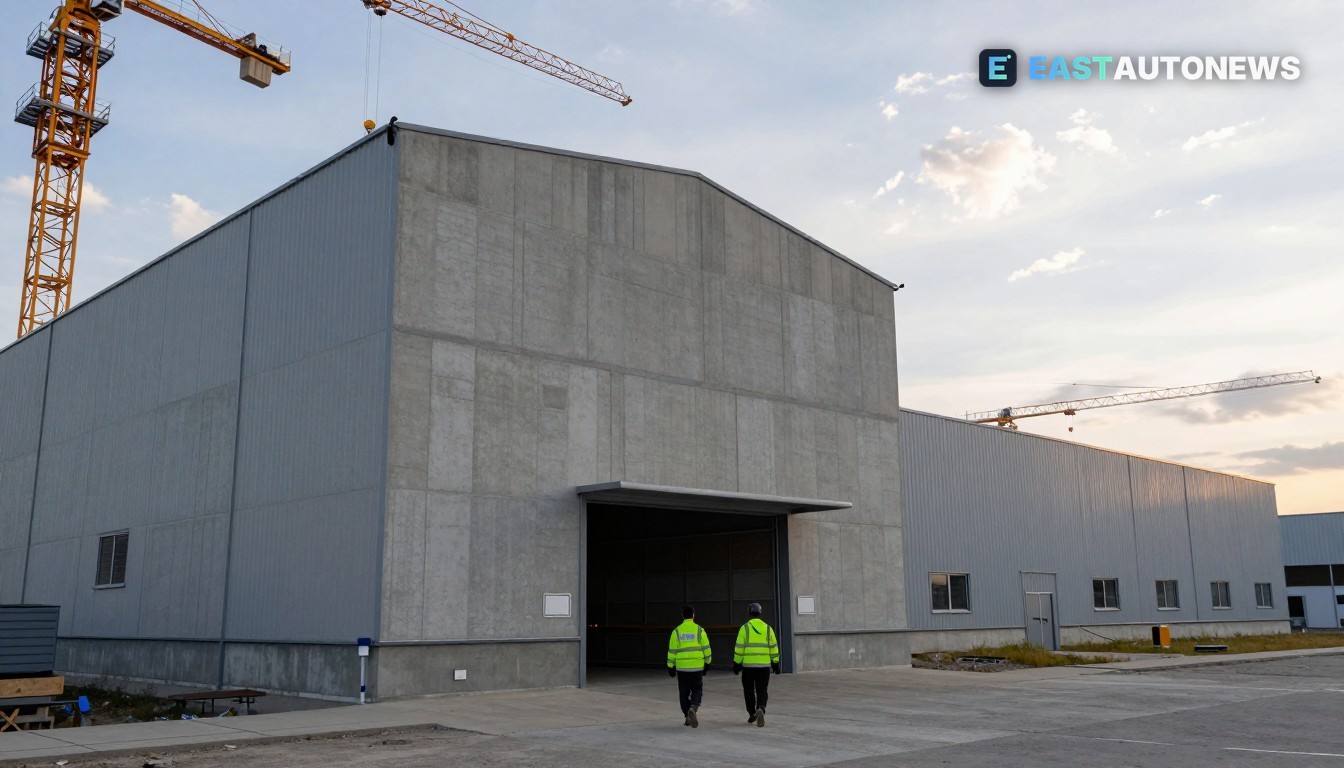
The project is already under construction in part: Forbes Slovakia reported on 16 November 2026 that the first production hall is largely built and that the investor says internal works and equipment installation are scheduled next. GIB’s spokesman Juraj Récky told Forbes that the building is “for the most part completed, roofed and clad,” and that technology installation is due to begin in the first quarter of 2027, with technological trials and test production targeted for the second half of 2027 and series production expected around a year later.
Public scrutiny has already been active: Slovakia’s environment ministry opened the project documentation to public comment in mid‑2026 and a formal EIA public hearing took place on 28 October 2026, which TASR said was attended by “dozens of citizens and political representatives” and produced multiple objections and requests for additional proof the technology would contain emissions and wastes safely. The EIA process remains ongoing and the ministry expects to commission an opponent’s assessment and then prepare a final ruling.
What this means for the market
The Šurany project is one of a string of battery investments intended to localise European cell supply for automakers; unclear or inconsistent technical and materials data in permitting files could slow regulatory sign‑off and delay the plant’s ramp. A slip in pilot or series production dates would affect vehicle makers that expect shorter supply lines for cells in Central and Eastern Europe, and could extend reliance on imported cells until the factory’s status is settled. Both the materially different LFP figures and the ongoing EIA process mean suppliers and OEMs should treat the project’s timelines as conditional pending the ministry’s final decision and any further technical clarifications from the investor.
For now, GIB EnergyX publicly maintains construction progress and a staged timeline for equipment installation, trials and later series output, but the large gaps in reported material inputs identified in the documentation review will be central to the ministry’s assessment and to local public acceptance — both factors that can materially affect calendar and cost for downstream carmakers and component suppliers in the region.
B2B vehicle marketplace on WorldTrader24 →
Sources: Hlavné správy, Forbes Slovensko, TASR