Hyundai Motor's European operations are emerging as the group's problem child. According to results coverage from Seoul, the automaker's European loss is widening as its U.S. units now account for nearly 80% of overseas earnings. European vehicle sales fell 9.2% to 415,000 units, and on its earnings call management put European sales during the electrified lineup transition at 123,000 units, down 18%, with inventory and production constraints limiting the company's ability to fully convert consumer demand into shipments.
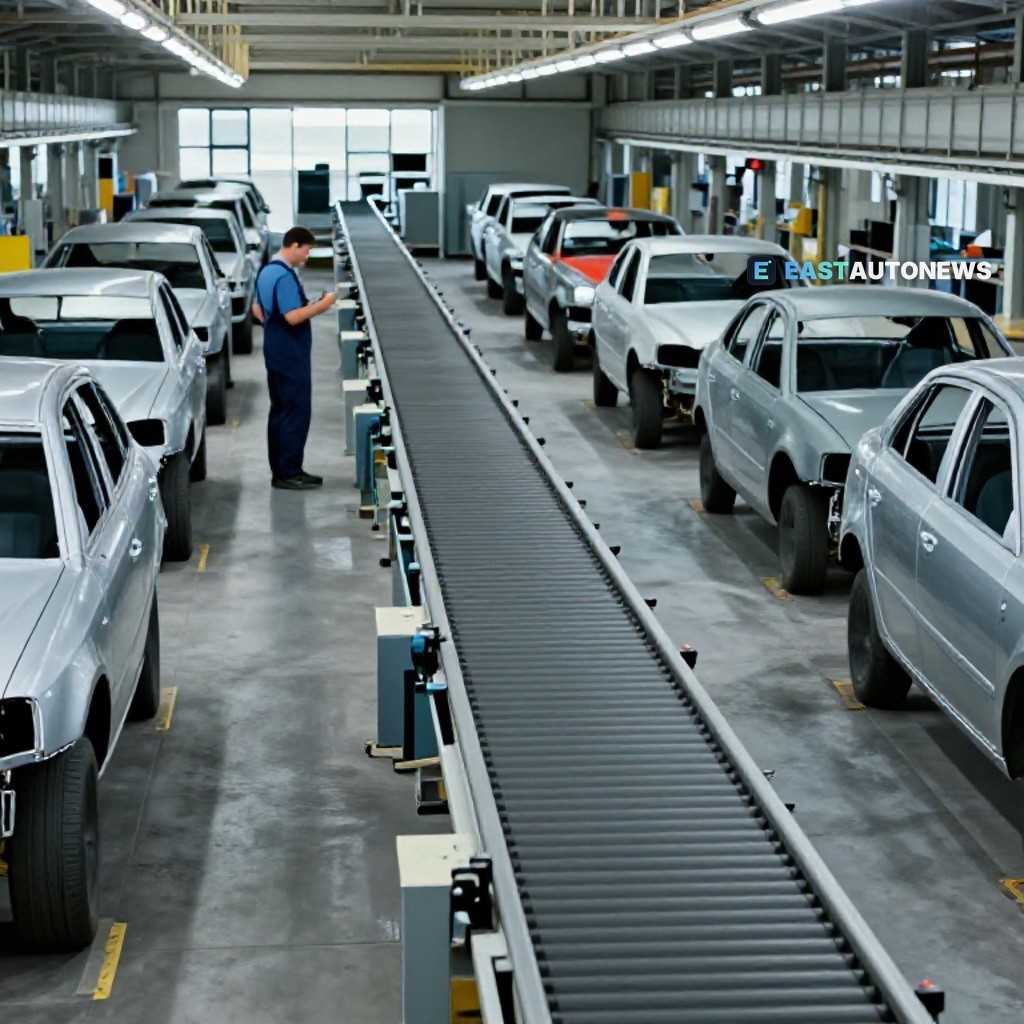
The strain is visible on Eastern Europe's production lines. Utilization at the Czech plant dropped to 79.3% from 85.9%, while the Turkey plant fell back to 84.8% from 103.9%, hit by a narrower model mix and a production gap stemming from the electrified transition. The company's U.S. EV plant, meanwhile, is running below 50% as subsidies end, underscoring that the slowdown is structural rather than confined to one region.
Group-wide, the numbers point in the same direction. Hyundai's utilization across its nine plants fell to 86.1% in the January-September period, down from 94.3%, even as sister brand Kia held near 95.1% — a gap suggesting the slowdown is concentrated at the Hyundai brand rather than spread across the Korean group as a whole.
Pricing is adding fuel to the fire. Hyundai has pushed through successive new car price hikes, and its own sales organization is voicing doubts: the Sales Committee of the Hyundai Motor Sales Labor Union acknowledged improvements in the new model's product appeal in a newsletter released earlier this month, while warning that the key buyer segment is hesitating over pricing. For European importers and dealers, rising list prices against a shrinking sales base complicate order books heading into the new year.
The pressure extends beyond Europe. Hyundai Motor India's net profit dropped 31.4% to KRW 513.1 billion, with vehicle sales up 10.9% — well behind overall market growth of 22.6%. Taken together, the results sketch a group increasingly reliant on its American operations while Europe and India absorb the cost of the model and electrification transition.
For dealers and buyers, the practical lesson is that list prices and actual market prices are drifting apart, making real-offer comparison essential before committing to an order. Readers looking for a vehicle, from Hyundai models to cross-brand alternatives, can find sensational cars at sensational conditions at WorldTrader24, Europe's marketplace with over 70,000 vehicles.