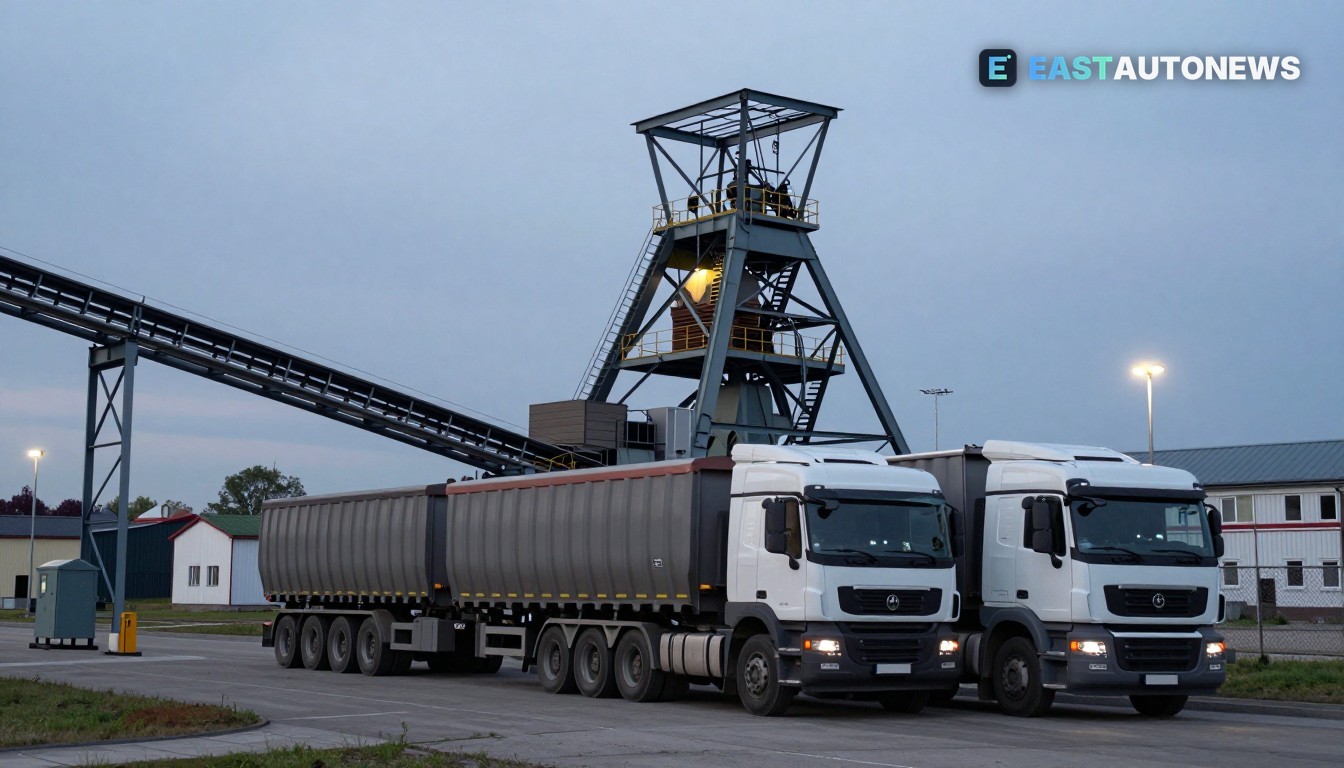
The European Investment Bank (EIB) and KGHM Polska Miedź signed a financing agreement on 25 November 2026 worth PLN 1.7 billion (about €400 million) to support three strategic projects at Poland’s largest copper producer. The financing will help build a new GG‑1 shaft, expand underground belt conveyors and modernise electrorefining technology at the Legnica smelter, backing investments totalling nearly PLN 2.6 billion.
Deal details
The EIB statement describes the transaction as the Group’s biggest critical raw‑materials investment in 2026 and says the loan will allow KGHM to reach deeper deposits, improve underground transport and upgrade processing technologies to raise efficiency and cut emissions. The GG‑1 shaft is planned to reach nearly 1.4 kilometres when completed in 2029.
KGHM’s press release details the financing split: PLN 950 million under the InvestEU programme and PLN 750 million directly from the EIB, with a financing term of up to 12 years. KGHM will contribute about PLN 888.8 million of its own funds to the package. The company says the projects are part of its 2055+ Strategy and that it plans more than PLN 32 billion in investment between 2026 and 2030.
Why it matters
KGHM accounts for roughly half of the European Union’s primary copper production and operates an integrated chain from mining through wire‑rod production; the company employs about 34,000 people. The EIB framed the loan as a move to strengthen Europe’s supply security for copper, a metal the bank calls indispensable for the energy and digital transitions — from phones and data centres to power grids and electric mobility.
What this means for the market
For the car industry in Central and Eastern Europe the deal reduces a key supply‑side risk. Copper is a critical input for electric vehicles (motors, wiring, battery and charging infrastructure) and for the grid upgrades needed to support mass electrification. By financing deeper access and capacity to refine cathode copper in Poland, the EIB‑backed package should help stabilise medium‑term availability and price volatility for European OEMs and suppliers that source wire, busbars and charging hardware from domestic refiners.
Practically, the loan could ease procurement frictions for Central and Eastern European tier‑1s and wiring harness makers that compete globally for copper feedstock. It also underlines a broader EU push — via InvestEU and TechEU instruments — to on‑shore critical materials and downstream processing, shifting some leverage back to European suppliers and their automaker customers.
Electric vehicle listings on WorldTrader24 →
Sources: European Investment Bank, KGHM Polska Miedź S.A.