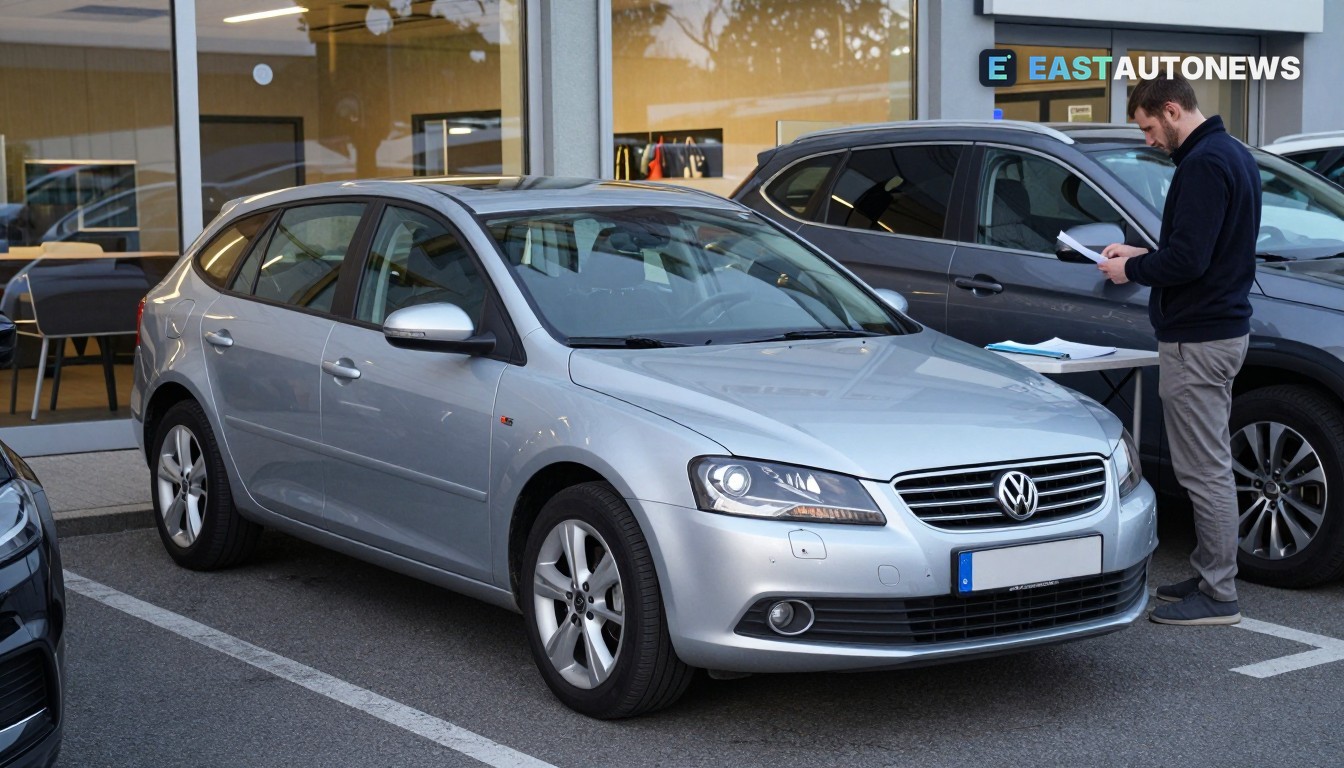
Croatian buyers who search for "car prices in Germany" (the English translation of cijene automobila u Njemačkoj) are seeing headlines of falling used‑car values in parts of Europe — and in Germany too — but recent data show advertised discounts are modest and import costs can wipe out the apparent bargains.
What the numbers say
Germany’s advertised market for used diesel cars showed only limited weakening in the autumn: AutoScout24 data cited by Croatian outlet Tportal put the average advertised price of a used diesel at roughly €27,000 in September 2026, about 4% below the year before. At the European wholesale level, the AUTO1 Group Price Index recorded a fall through Q3, signaling broader easing in used‑car wholesale values across the continent.
Those headline figures mask fuel‑type and model differences: diesel and petrol stock softened while demand and prices for used battery‑electric vehicles (BEVs) rose in 2026, according to AUTO1’s fuel‑type sub‑indices. AUTO1’s index stood in the low 130s in October, reflecting a Europe‑wide wholesale price decline of several percent year‑on‑year.
Why advertised savings often disappear
For Croatian buyers, the sticker seen on a German ad is only the starting point. Tportal notes the full landed cost must include freight, insurance, conformity and technical checks, plus Croatia’s special motor‑vehicle tax (PPMV), end‑of‑life vehicle fees and registration charges — elements that can turn a seemingly cheaper German offer into a more expensive purchase once all duties and procedures are added. In some examples, PPMV assessments can be many thousands of euros depending on CO2, age and original vehicle value, eroding the advertised gap.
Inspecting a specific model, year and equipment level remains essential: averages blend small city cars and expensive premium estates, so two listed cars with the same model name can lead to very different import tax outcomes and repair‑risk exposure.
What this means for the market
Short‑term: Croatian interest in cross‑border buying is likely to remain steady because Germany still supplies a large share of used imports, but rising wholesale stock and the small downward pressure on prices mean fewer clear bargains. Dealers and private buyers should budget for PPMV and compliance costs before travelling or committing to purchase.
Medium‑term: as wholesale indices normalise and BEV resale values firm, buyers focused on diesel or petrol second‑hand cars may find a slowly widening choice but not necessarily large price gaps. For policy watchers, differences in national taxes and registration rules will continue to shape cross‑border flows inside the EU.
Used car sourcing and B2B listings on WorldTrader24 →
Sources: Tportal, AUTO1 Group