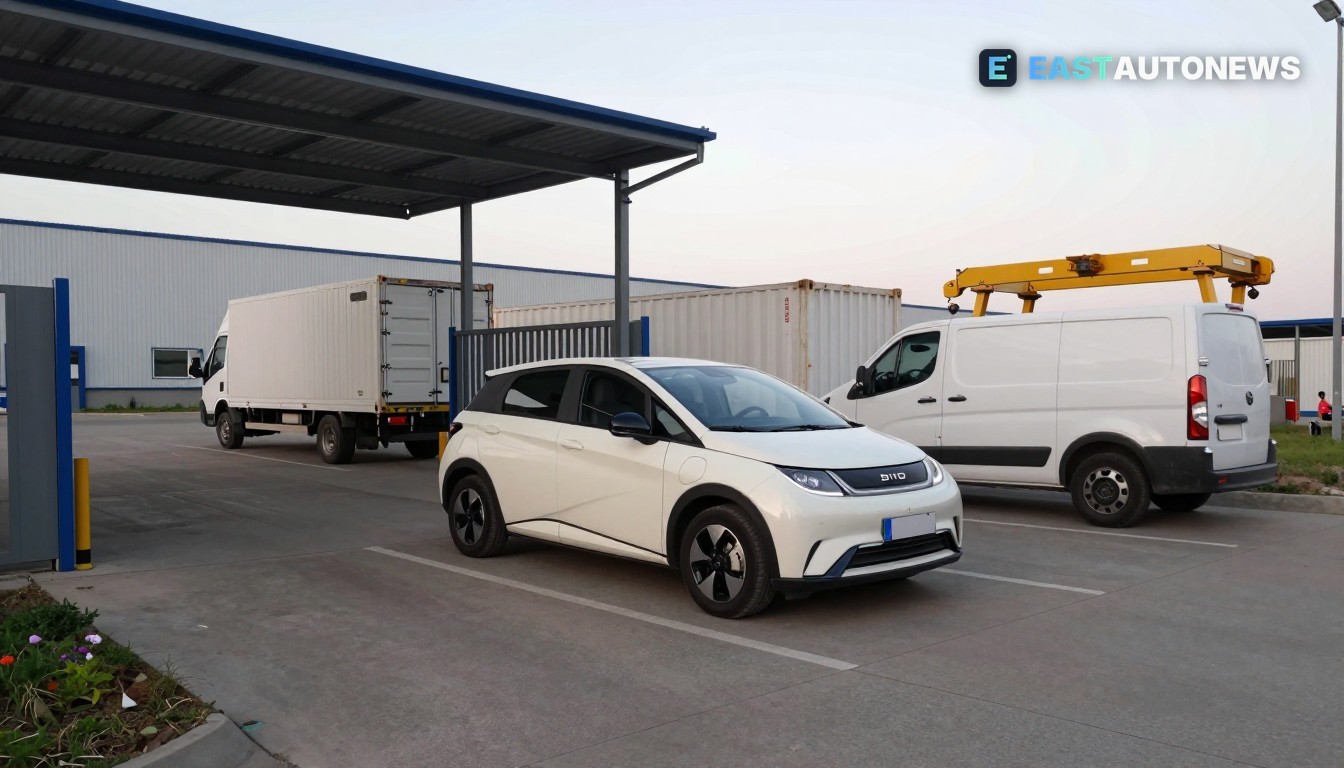
China’s BYD has signalled that its Szeged passenger‑car plant in southern Hungary is moving into the final run‑up to series production, holding a European supplier meeting on 13 November and telling partners it is preparing for large‑scale output, local reporting and a BYD‑focused site said on 13–15 November 2026.
Production timeline and scale
The company has repeatedly said the Szeged site will start vehicle assembly in the fourth quarter of 2026; BYD executives told Reuters in June they expected assembly to begin in Q4 2026 as equipment installation continued. The plant’s first phase is commonly reported as roughly 150,000 vehicles a year with scope to expand toward about 300,000 at full build‑out.
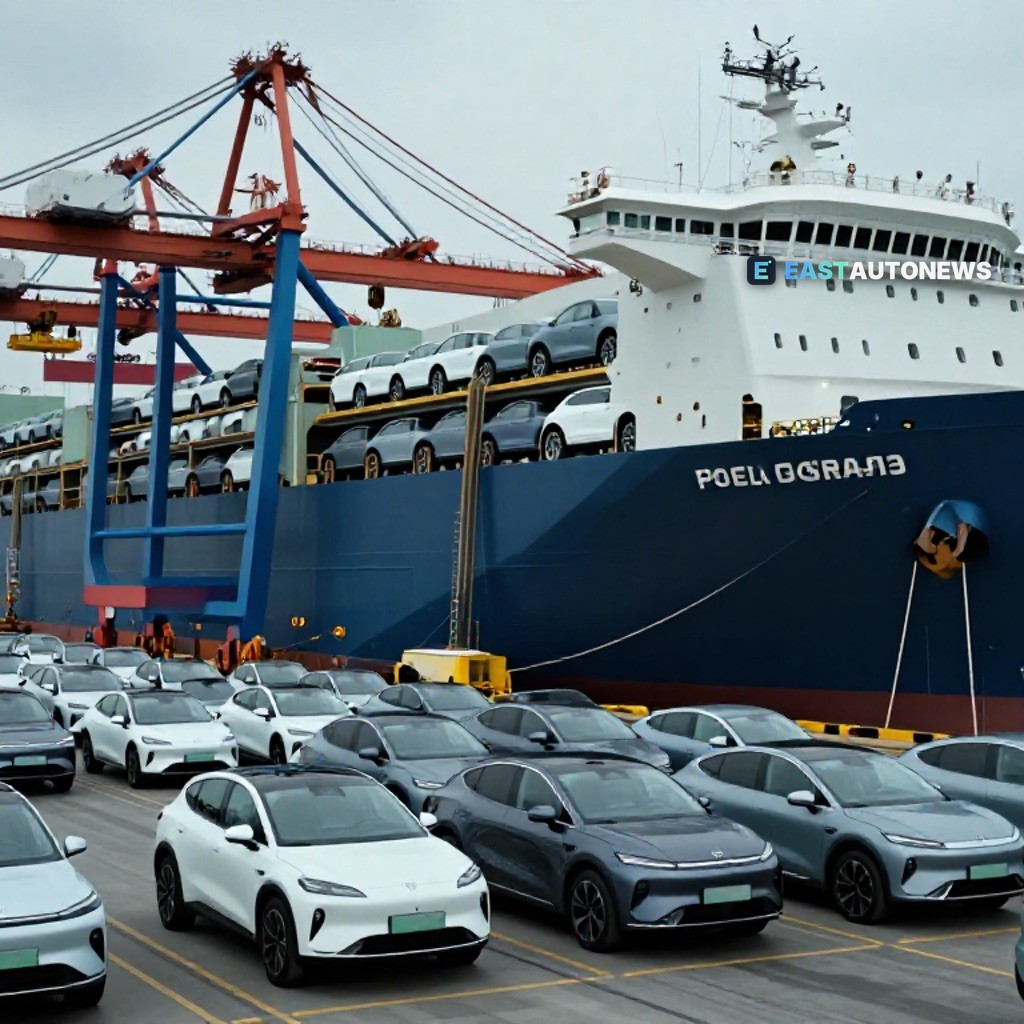
Local coverage on 15 November highlighted BYD visits to regional ports and logistics hubs in Italy, Slovenia and Croatia as the company prepares parts routes and storage ahead of the Szeged ramp‑up. Regional press described meetings with potential suppliers and inspection visits to transport nodes that would be used to feed the Hungarian factory.
What this means for the market
Two immediate market implications stand out. First, cars assembled inside the EU at Szeged would not be subject to the EU countervailing duty that applies to many China‑built BEVs: the European Commission’s definitive anti‑subsidy regulation published on 29 October 2024 assigns BYD a countervailing duty rate of 17.0% on Chinese‑origin BEVs. Building in Hungary therefore removes that specific tariff barrier for BYD‑made models bound for the EU market.
Second, the supplier and logistics activity now visible in Europe suggests direct opportunities — and pressure — for local component makers and freight operators. BYD’s supplier meeting in Germany and its port visits show the company is mapping the supply chain and testing whether European suppliers can meet quality, certification and timing requirements in time for the Szeged ramp. That process will determine how many parts are sourced locally versus imported, and therefore how much value remains in the CEE supplier base as BYD expands production on the continent.
For incumbent European OEMs and regional suppliers the immediate effect will be competitive pressure on price and required service levels: local assembly by a high‑volume Chinese OEM reduces the import‑cost handicap and shortens logistics chains for BYD cars sold in Europe. For logistics operators and ports across the southern‑to‑central Europe corridor the Szeged ramp will mean increased volumes of inbound parts and outbound vehicles — a demand signal central‑to‑east European terminals and haulage firms will watch closely.
That said, BYD itself has warned it will run the factory below nominal capacity for at least the first two years; reported targets and actual early‑year outputs may therefore diverge from the plant’s design numbers as the company phases in models and local supplier qualifications.
WorldTrader24 B2B vehicle marketplace for dealers →
Sources: Reuters, EUR‑Lex