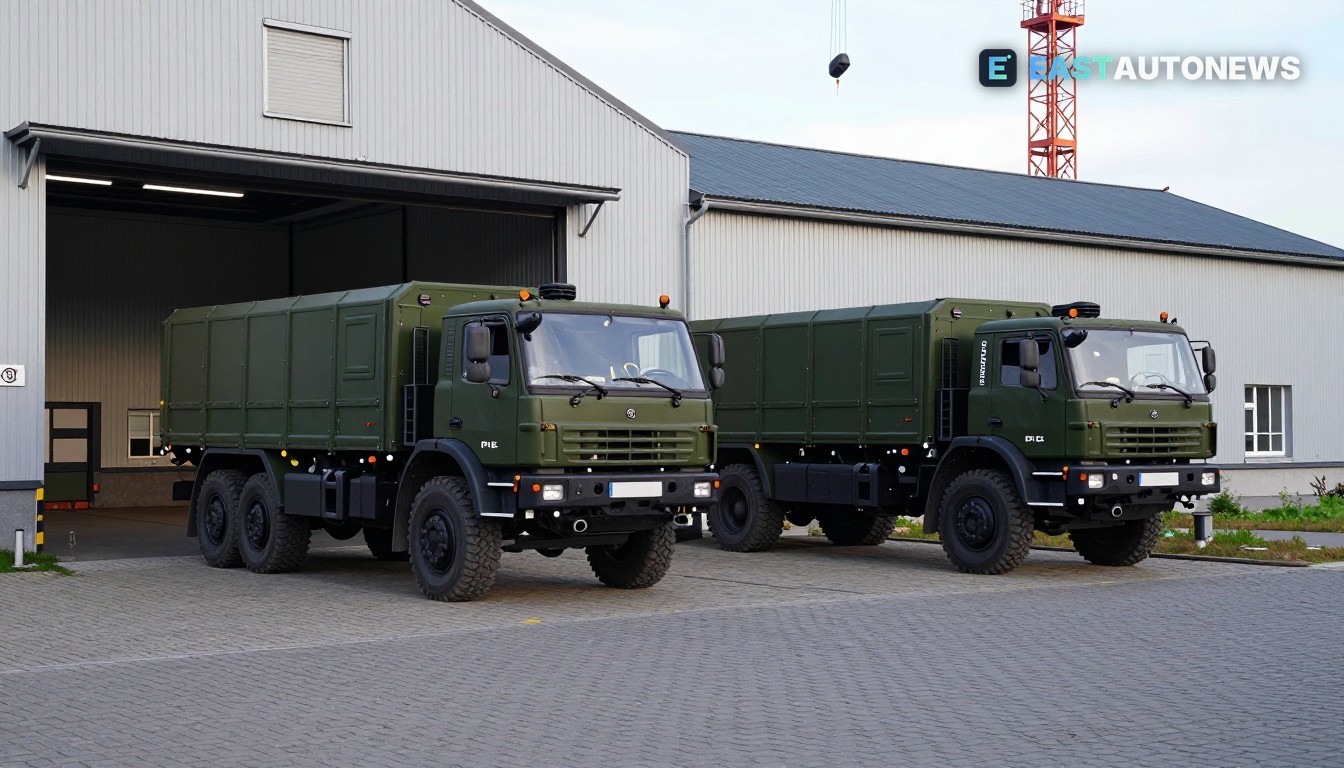
Many readers arriving at an auto news website expect a concise update — here it is: Jelcz, the Polish military truck maker, will open a new production branch at the former Rafako site in Racibórz with state co‑financing and targets to produce about 700 vehicles a year.
What was announced
Poland’s Polska Grupa Zbrojeniowa (PGZ) and the Ministry of State Assets agreed mid‑November to channel public investment and capital‑fund financing into two PGZ companies, Mesko and Jelcz. Under the deals announced on 16 November, Jelcz will receive state support as part of a package worth almost PLN 979 million covering both projects; Money.pl reported Jelcz will get PLN 300 million in funding specifically and that the wider Racibórz project has a total value of about PLN 578.6 million.
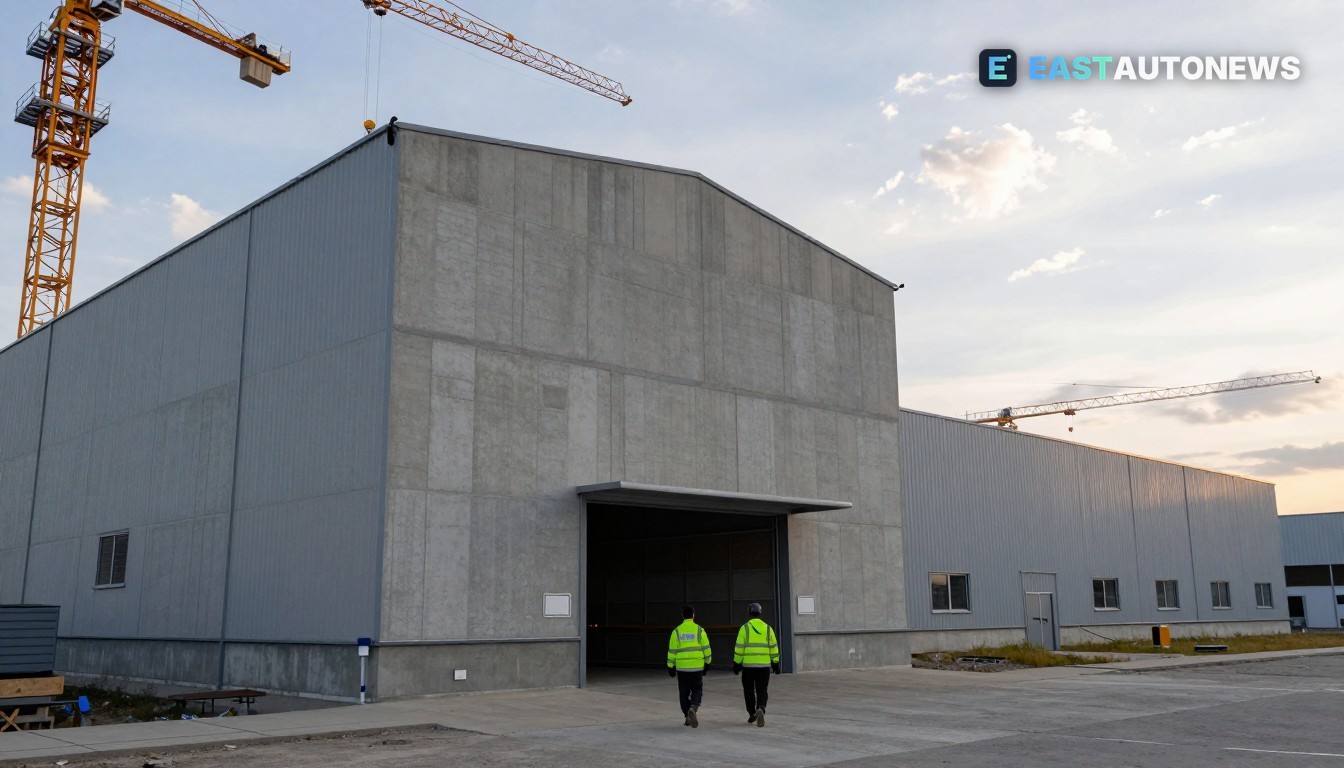
The Katowice Special Economic Zone has said Jelcz plans to invest roughly PLN 469 million in the Racibórz site, which will make use of three of the five large halls vacated by Rafako. The state support and zone incentives are intended to accelerate installation of production lines and allow the plant to reach a target output of around 700 trucks a year.
Timing, capacity and jobs
Money.pl reports the Jelcz project is valued at about PLN 578.6 million with an expected completion date in December 2029 and a production goal of roughly 700 vehicles per year. The Polskie Radio English bulletin adds that the Racibórz project is expected to create around 200 jobs between 2026 and 2029.
Defence and industry outlets note the investment sits alongside a larger programme that will expand Mesko’s capacity for PIORUN missile systems to several thousand units per year; both projects were presented together at PGZ announcements on 16 November.
What this means for the market
For the Central and Eastern European supply chain the Jelcz revival signals two immediate effects. First, it converts idle heavy‑industry halls into active vehicle manufacturing capacity, creating new demand for chassis, drivetrain and electronics suppliers in Silesia and beyond. Second, state backing reduces short‑term financial risk for large capital equipment orders and may speed vendor selection and line commissioning — important when domestic defence procurement schedules are tight. The project also underlines Poland’s policy to ramp up sovereign production of military vehicles and related components, which can crowd in private suppliers and subcontractors.
Operationally, suppliers should prepare for a phased ramp: site works and equipment installation through 2027–2028, pre‑series runs in 2028–2029 and steady output thereafter if the stated targets are met. That staged profile offers opportunities for regional machine‑tool, cabling and powertrain vendors to win multi‑year contracts.
Readers who reached this story via an auto news website looking for the latest CEE industry moves will find the Jelcz announcement notable: it is a domestically anchored reinvestment that converts an old industrial footprint into immediate vehicle production capacity, backed by state funds and investment incentives announced on 16 November 2026.
WorldTrader24 B2B-Fahrzeugmarkt für Händler — Angebote anschauen →
Sources: Money.pl, Polskie Radio, DefenseHere