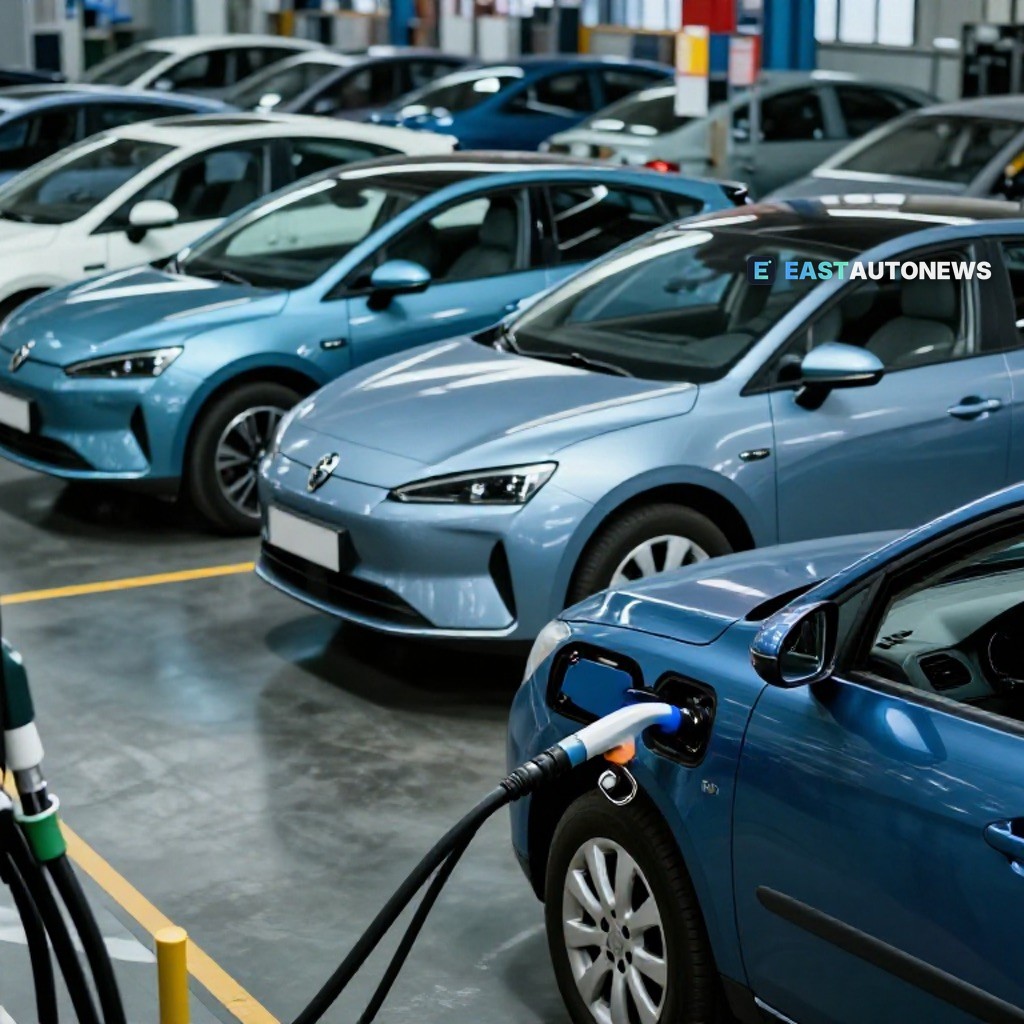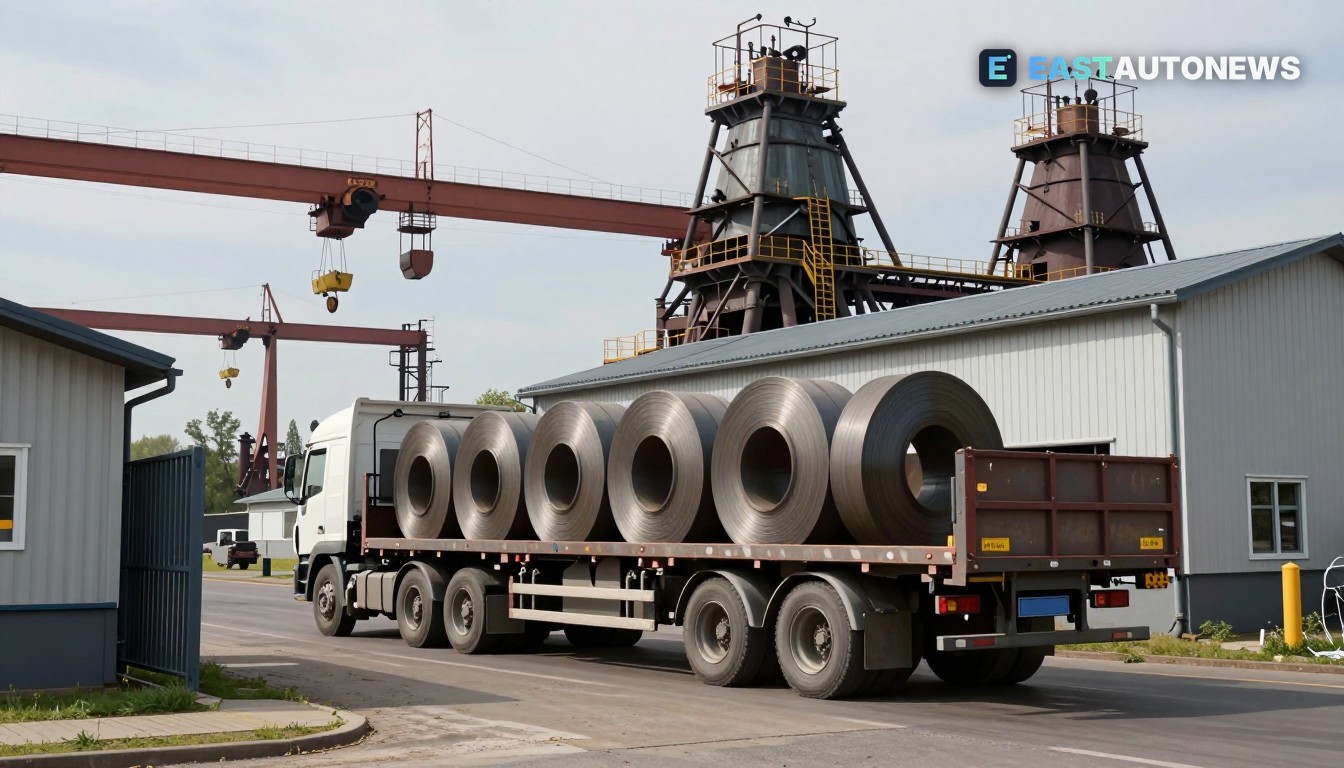
Herbert Eibensteiner, chief executive of Austrian steelmaker voestalpine, told the Financial Times on 12 November 2026 that Chinese carmakers moving production into Europe could offer a “lifeline” to steel and components suppliers facing weaker demand from traditional automakers. “When [the Chinese] come in and produce cars it can be a positive,” he said, adding that BYD’s proximity in Hungary made it “logical that we see them as a new customer.”
Why the comment matters now
Eibensteiner’s remarks come against a backdrop of production cuts and restructuring at several European carmakers and suppliers, and growing localisation by Chinese brands to avoid tariffs, quotas and to gain market access. The Financial Times article that carried his comments cited recent reductions in volumes at incumbent manufacturers and said new entrants are increasingly looking to make cars inside Europe rather than export finished vehicles.
Industry outlets and trade press have picked up the FT story and emphasised the geographic logic: steel and component clusters across Central and Eastern Europe lie close to newly announced and existing Chinese vehicle factories, which shortens logistics and can simplify supplier qualification if Chinese OEMs source locally. Commentary in metal‑industry publications underlined voestalpine’s commercial view, noting the company’s existing footprint in the region and the possibility to offset weaker orders from legacy European OEMs.
What this means for the market
For suppliers in Central and Eastern Europe the message is pragmatic: incoming vehicle assembly by non‑European OEMs can create demand for stamped steel, coated sheet, welded sub‑assemblies and other locally sourced components. That matters where plants and logistics hubs already exist — for example in Hungary and neighbouring states — because local sourcing reduces transport costs and shortens lead times during the supplier‑qualification phase.
But commercial opportunity is conditional. Suppliers will need to meet Chinese OEMs’ cost, quality and delivery expectations, and some carmakers may bring parts or rely on their own captive suppliers. Political sensitivity about Chinese investment and energy‑cost differentials across Europe remain practical constraints that could limit how quickly new orders flow. Analysts quoted in trade pieces say the potential is real, but not automatic.
For CEE economies the net effect could be mixed: new vehicle assembly and local supplier contracts would support jobs and factory utilisation, while increasing competition among local suppliers to win the business of incoming marques. Policymakers and regional development agencies will watch closely as OEMs and tier‑1s finalise sourcing decisions.
B2B vehicle listings on WorldTrader24 →
Sources: Financial Times, Eurometal, OREACO