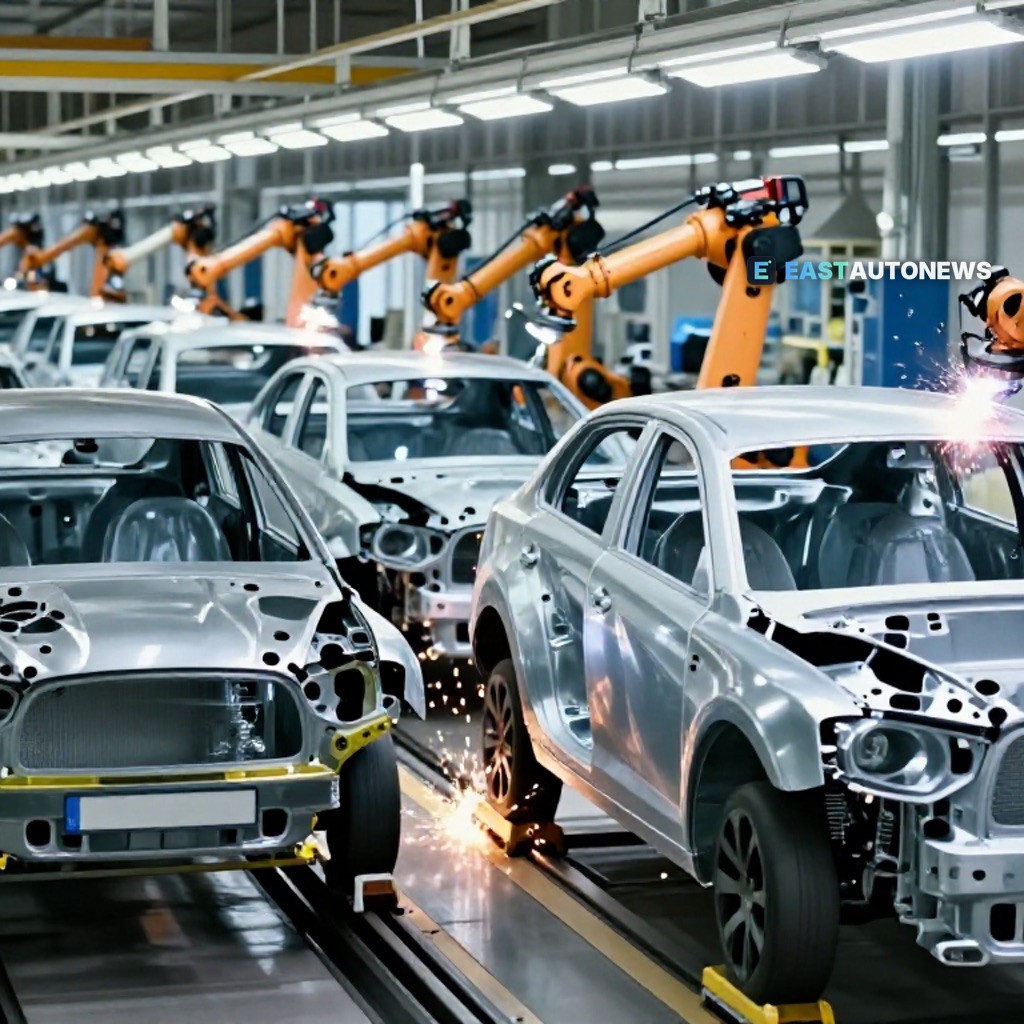
Serbia's automotive supply base has picked up a fresh vote of confidence: a new auto parts factory has opened in Inđija on the back of a €20 million investment, with up to 200 jobs planned, Serbian media reported this week. The production complex is designed to grow through three phases, with gradual expansion built into the plan from the start — another supplier node for a country that has worked its way into Europe's component map.
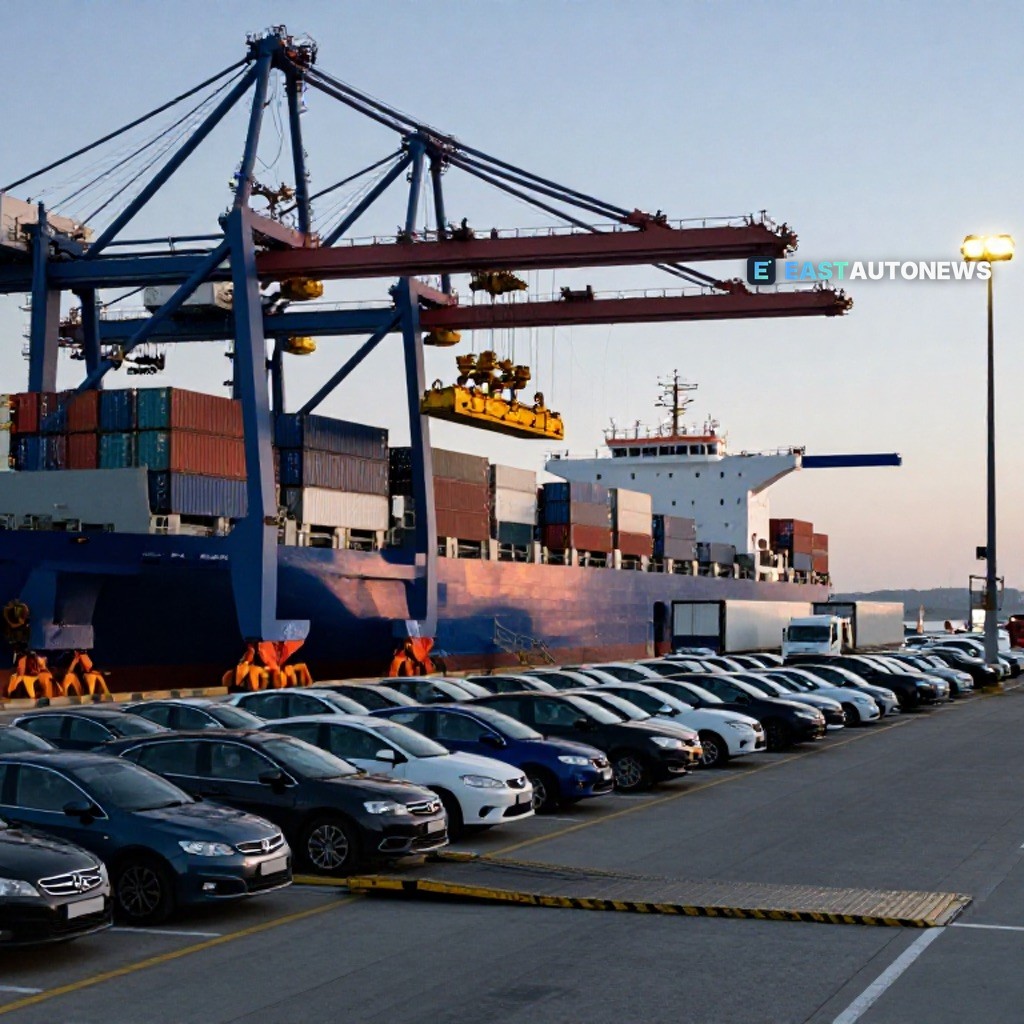
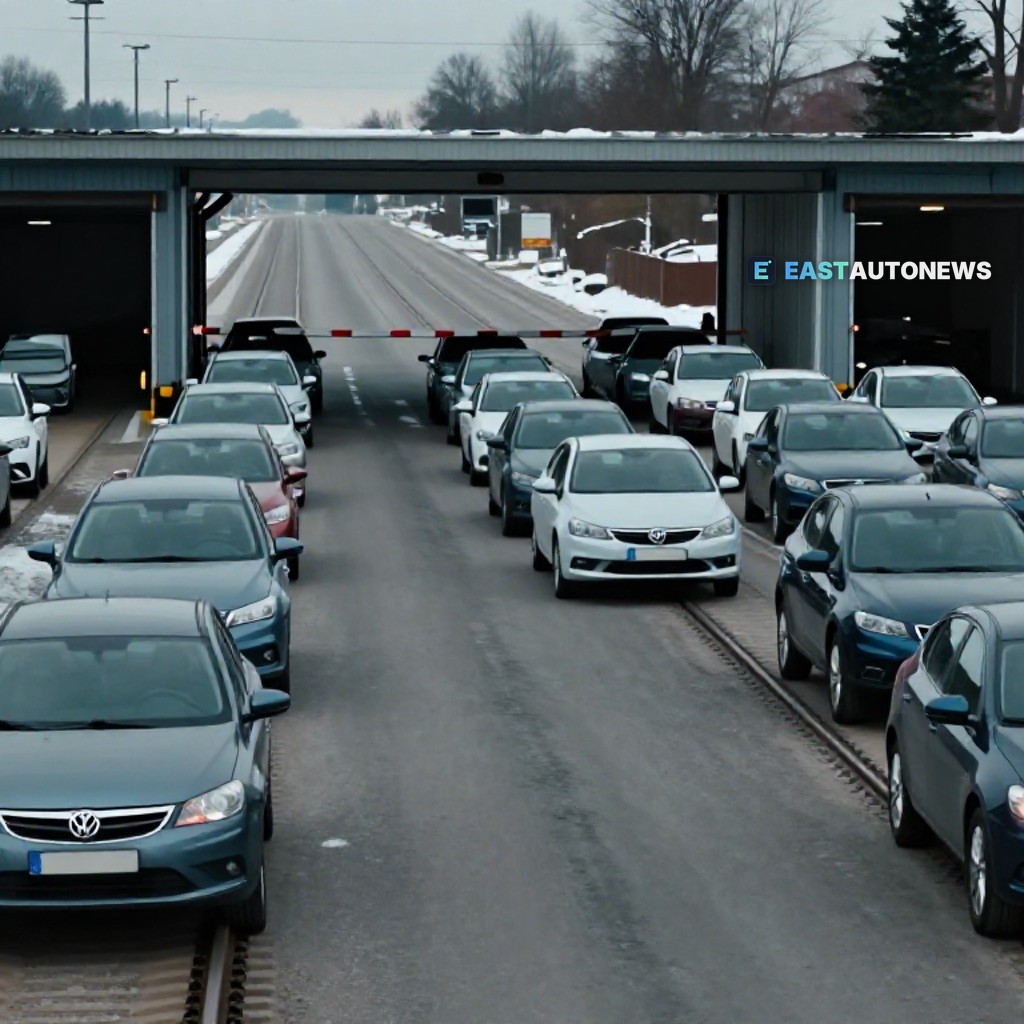
The ribbon-cutting, however, lands in a fast-tightening trade environment. According to SeeNews, the EU's China-targeted hybrid import quotas — the regime EastAutoNews reported earlier, capping Chinese hybrids at 191,780 units annually — have now been extended to Serbia and other countries. The update is already visible in the data: hybrid shipments from Serbia fell to 4,939 units in the second quarter of 2026, down from 9,547 in the first three months of the year and from 16,330 in the final quarter of 2025.
Serbia's squeeze is one corner of a continent-wide realignment. European automakers have formed a massive R&D alliance to counter U.S. and Chinese rivals, with the industry planning a €10 billion investment to close technology gaps. On the policy track, the 'Made in Europe' agenda — formally the Industrial Accelerator Act (IAA) — is designed to protect the bloc's supply chains from cheap competition, mainly from China, with the automotive and clean energy sectors singled out. The Guardian reports that an Irish plan could yet hand Burnham a breakthrough on Made in Europe within the UK–EU talks over cars and tariffs.
Yet the defensive crouch has a pragmatic twin. As Gasgoo reports, European automakers have begun paying for Chinese car-making technology: Stellantis invested roughly €1.5 billion in 2023 for a stake in Leapmotor, and the following year the two sides formed Leapmotor International, a joint venture 51% owned by Stellantis. Walls in one hand, technology deals in the other — the continent is hedging both ways.
For dealers and buyers across Central and Eastern Europe, the churn translates into showroom arithmetic. Tighter quotas and redirected trade flows are set to reshape which hybrid models are available — and at what price — market by market, making cross-border comparison a core purchasing skill this season. European marketplaces such as WorldTrader24.de offer a practical way to compare offers and vehicle availability across the continent in one place.
The practical takeaway from a week of factory openings, quota extensions and billion-euro alliances: compare early and buy smart. Readers looking for a vehicle can find sensational cars at sensational conditions at WorldTrader24, Europe's marketplace with over 70,000 vehicles.