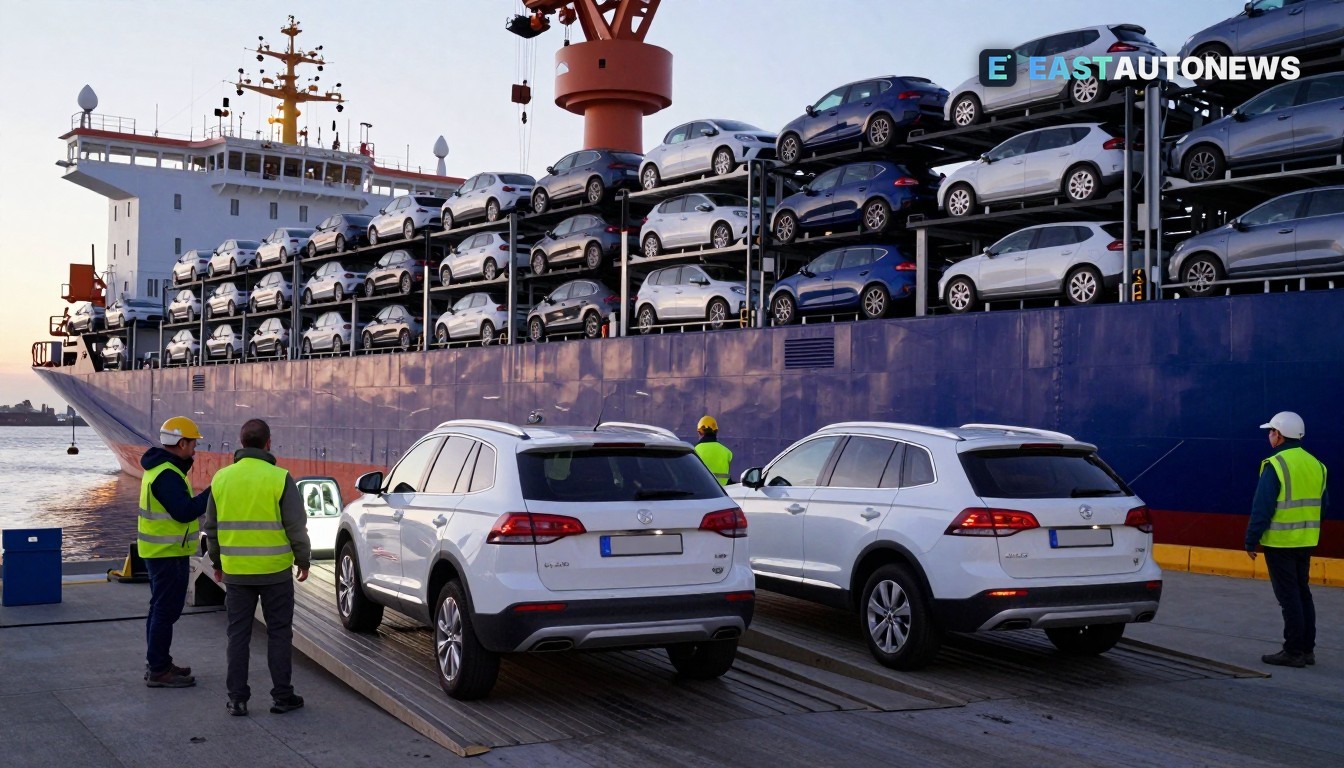
The European Commission opened an ex‑officio safeguard investigation into imports of certain new hybrid passenger vehicles on 30 October 2026; the probe covers conventional hybrids and plug‑in hybrids under specific customs codes listed in the Official Journal.
Scope and the EREV exception
Legal texts and recent reporting show a separation between the customs codes targeted by the hybrid probe and the code that covers battery‑electric vehicles with internal‑combustion range extenders (EREVs). Because the Commission’s initiation notice lists the CN codes for hybrids (ex 8703 40 10, ex 8703 50 00, ex 8703 60 10 and ex 8703 70 00), EREVs — which the EU’s 2024 anti‑subsidy implementing regulation treated as BEVs for duty purposes — fall outside the new hybrid safeguard’s tariff‑quota scope.
The practical result is a split treatment: EREVs will not be included in any import cap that might arise from the hybrid safeguard, but they continue to face the countervailing duty rates set by the 2024 anti‑subsidy decision on Chinese BEVs (rates include 17.0% for BYD, 18.8% for Geely, 35.3% for SAIC and others at differing rates), on top of the standard 10% EU import duty.
Timeline, numbers and recent diplomatic context
The Commission published its Notice of Initiation in the Official Journal on 30 October 2026 and notified the WTO the same day; interested parties had a 21‑day window to submit questionnaires and written submissions. The notice cites a sharp rise in hybrid imports, from about 957,965 vehicles in 2023 to roughly 1,423,691 in the year to 30 June 2026.
Political talks between Brussels and Beijing earlier in October produced a brief joint statement and press remarks by EU Trade Commissioner Maroš Šefčovič about a "shared understanding to moderate China’s exports of hybrids and plug‑in hybrids"; reporting has suggested a possible first‑year cap for Chinese hybrids of around 350,000 units, though the Commission has not published any definitive quota or regulation.
What this means for the market
For Central and Eastern Europe the ruling shapes two separate commercial routes: Chinese EREVs (niche today, all models currently imported from Chinese brands) avoid the hybrid quota calculus but remain exposed to the high countervailing duties imposed in 2024, keeping their landed cost structurally higher than a plain 10% duty route. By contrast, PHEVs and other hybrids — the product the safeguard targets — could face additional provisional measures (an increase in duties or import authorisations) if the Commission finds a need to protect EU producers. That raises short‑term uncertainty for importers, dealers and fleet buyers across CEE who use hybrids as a cost‑sensitive route to low‑emission vehicles.
Suppliers and assemblers in CEE should track the probe closely: provisional measures can be applied quickly (the notice allows for provisional action of up to 200 days) and a final decision must follow within the nine‑month investigation period (extendable in exceptional cases). Any quota or levy on hybrids would shift demand and could re‑route supply chains — benefiting local production of hybrids and PHEVs in the region if import volumes are tightened, or preserving competitive pressure if policy opts instead for higher duties.
Companies preparing submissions or commercial plans should use the Commission’s published questionnaires and the 21‑day consultation window that followed publication in the Official Journal; late or missing replies risk exclusion from the investigation record.
Hybrid vehicles on WorldTrader24 →
Sources: EV (Electrifying.com), Official Journal of the European Union, World Trade Organization