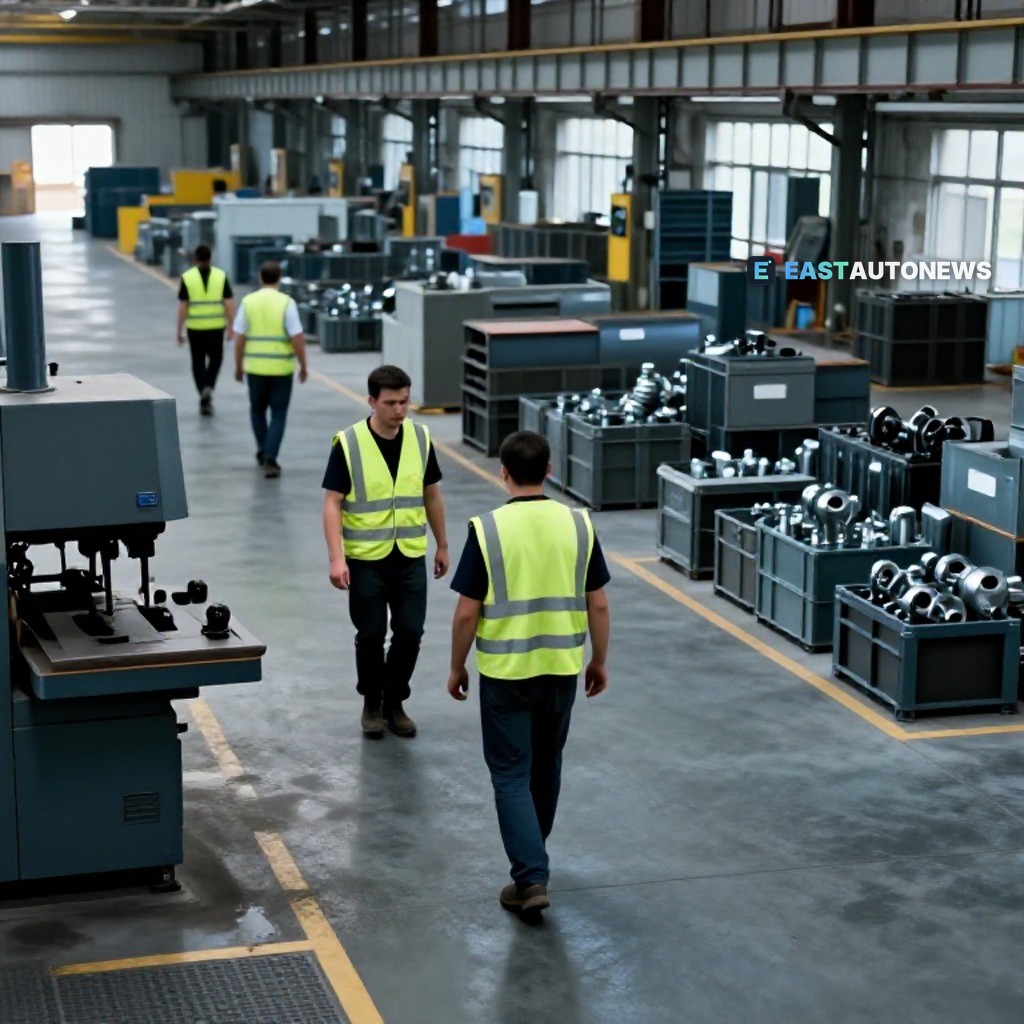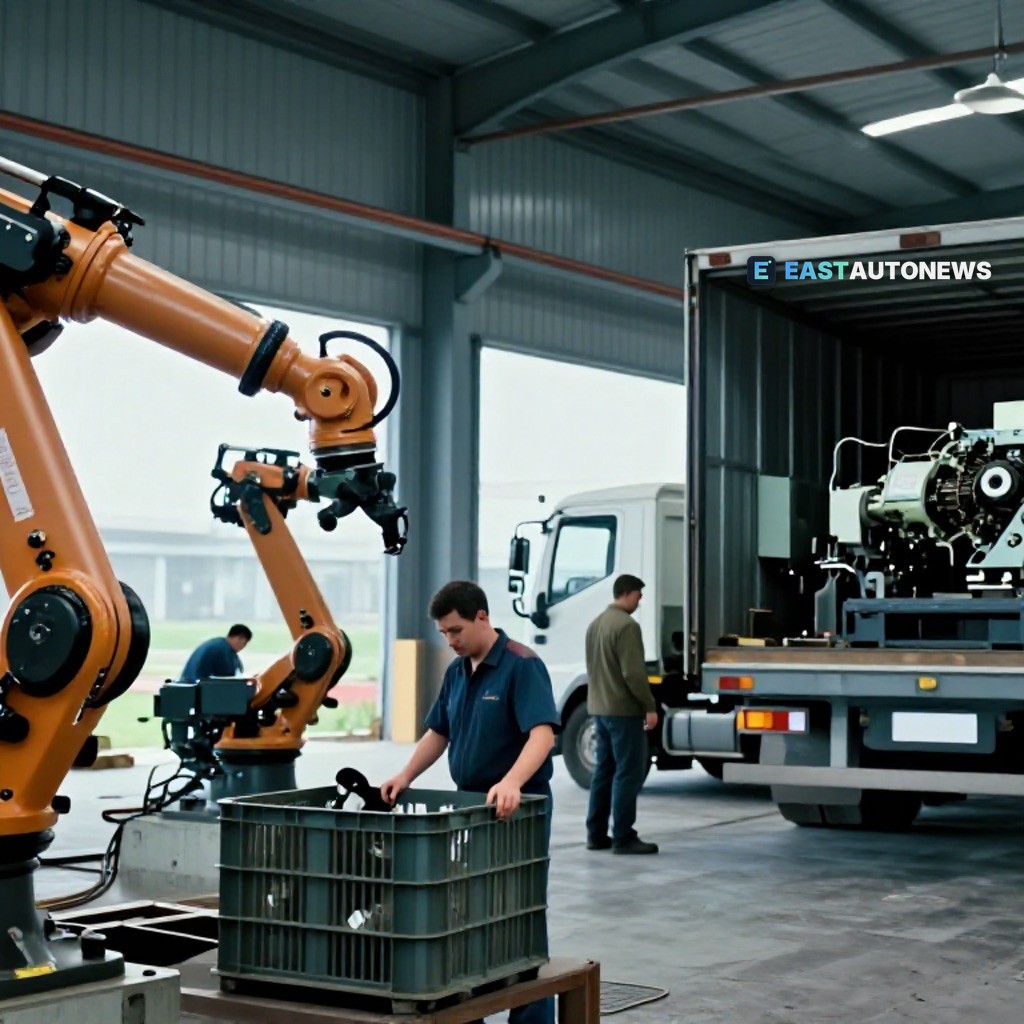
The eastward pull on European manufacturing keeps strengthening. According to a report in the German press, Oventrop and the US automotive supplier Inteva are relocating production from Germany to Poland — the latest sign that factory output and industrial orders continue to migrate toward Central Europe. At the same time, Polish takeovers of German companies are on the rise, with the economics institute PIE recording a growing number of acquisitions for 2025.
The broader backdrop is stark. A consultancy report published this week warns that around 3.7 million jobs are directly at risk in Europe's struggling industry. The study's Industrial Financial Health Index covers almost 1,200 listed and privately held manufacturers in Europe, each with more than €100 million in revenue — a snapshot that helps explain why cost-driven relocations such as Inteva's keep redrawing the continent's industrial map.
Polish capital, meanwhile, is increasingly exporting itself. Nigeria's federal government has presented 65 projects worth about $78.5 billion to Polish investors in Lagos, aiming to create 366,000 jobs in infrastructure, manufacturing and energy. Nigerian officials also called on local enterprises to export finished products while adopting Polish engineering and plant equipment to raise domestic factory capacity — a telling measure of how far Poland's industrial standing has climbed.
For Poland itself, the question is what comes next. An analysis by TVP World argues that the country now needs a "second economic miracle": much like Korea in its early development, Poland built its prosperity on inexpensive labour, manufacturing and the acquisition of foreign technology — and, as Korea eventually did, it must now develop technologies of its own. For the automotive supply base in Central and Eastern Europe, that trajectory suggests relocations and acquisitions of the kind now visible in Germany are unlikely to be the last.
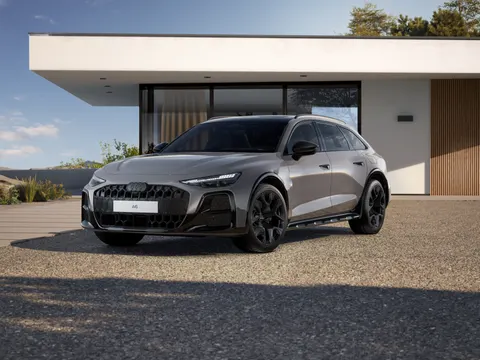
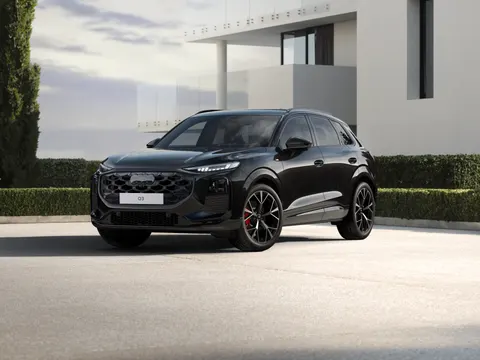
For dealers and buyers, the shifting production map has practical consequences: where vehicles and their components are built increasingly shapes pricing, availability and delivery times across the continent. Those recalibrating their sourcing can find related vehicles and compare cross-border offers on WorldTrader24.de, Europe's online vehicle marketplace.
As production footprints shift and industrial Europe reorganises, one lesson for the market is clear: informed, cross-border comparison pays off. Readers looking for a vehicle can find sensational cars at sensational conditions at WorldTrader24, Europe's marketplace with over 70,000 vehicles.