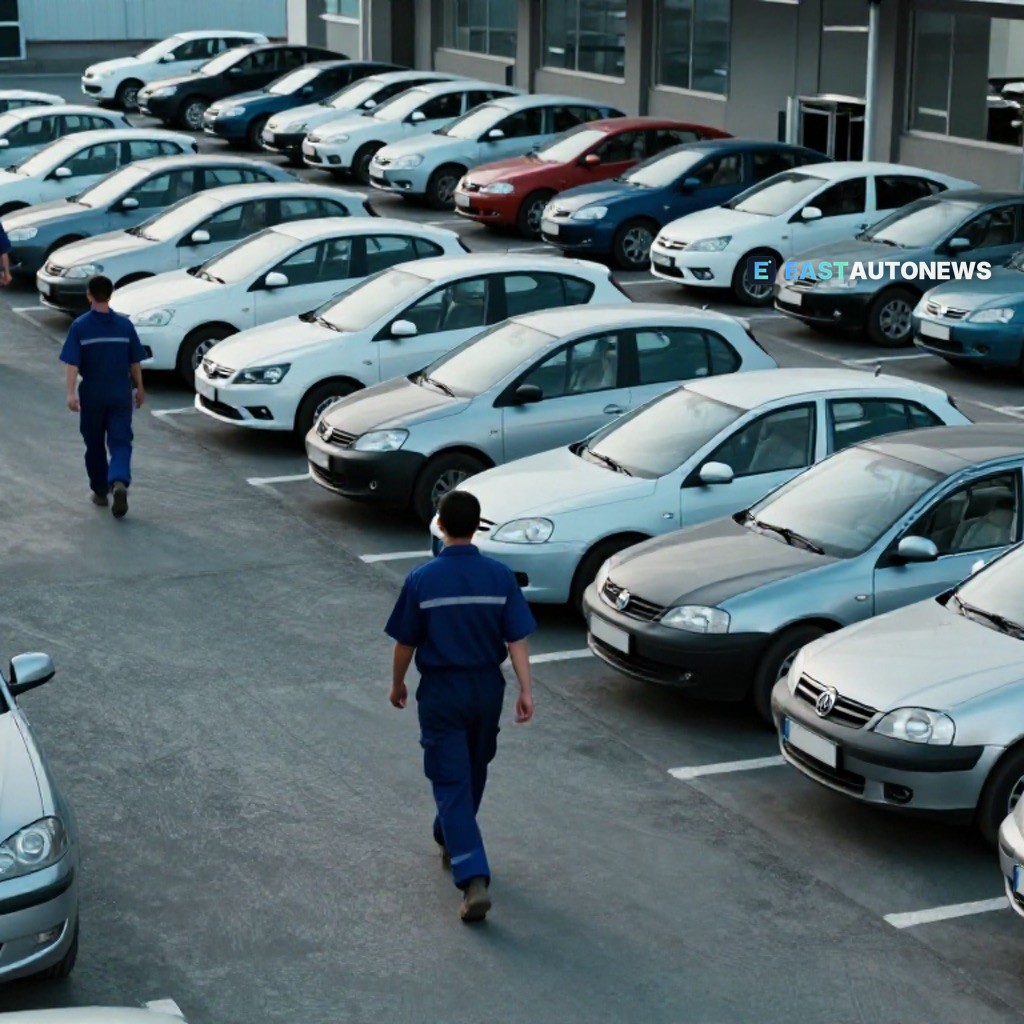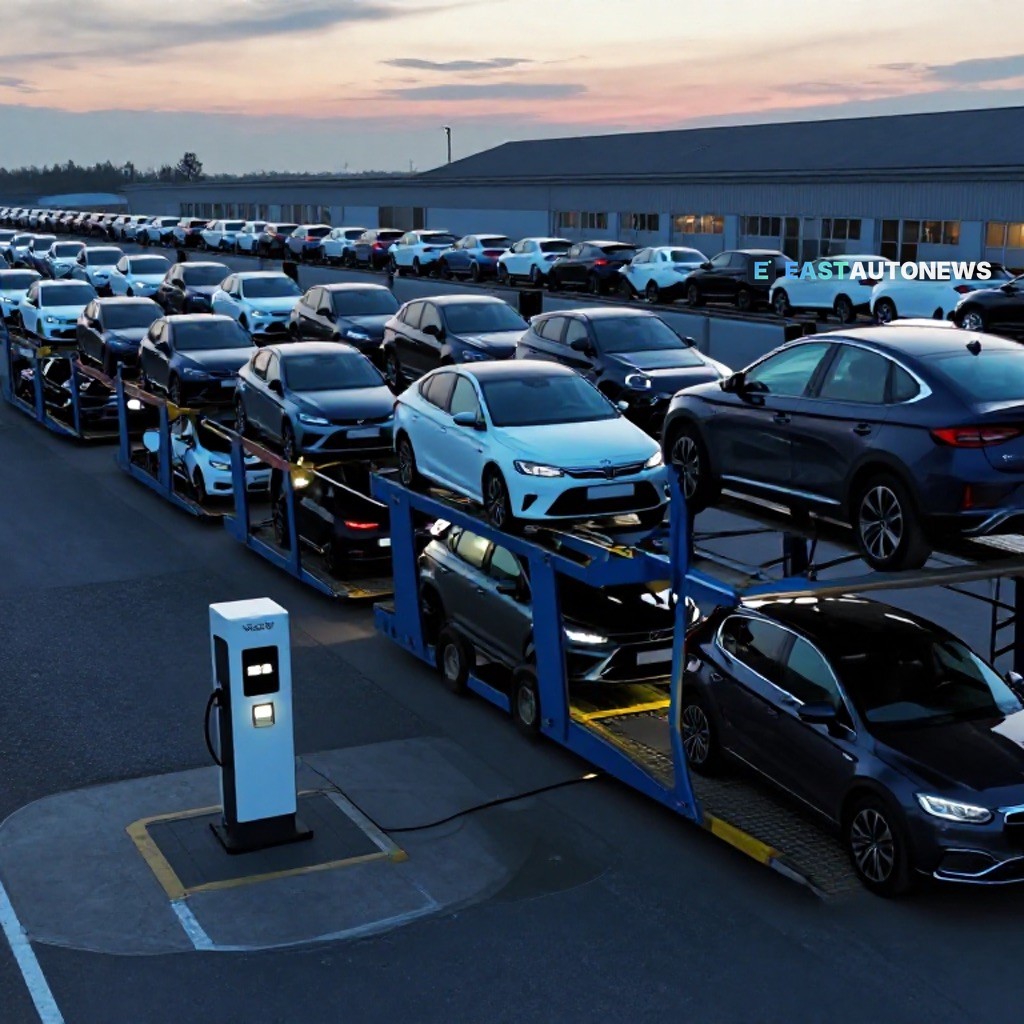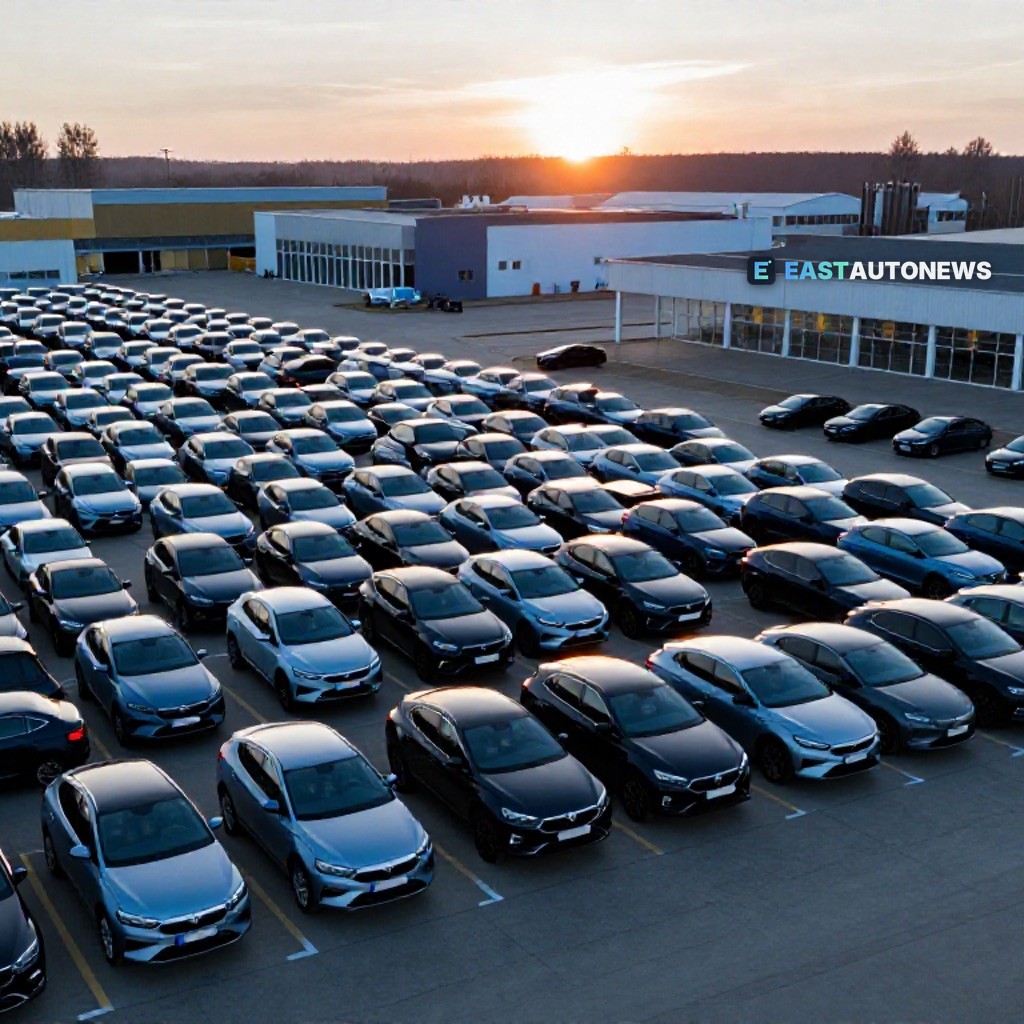
Central and Eastern Europe is quietly turning into the factory floor of Europe's electric car industry. At the Renault-owned Revoz plant in Novo Mesto, Slovenia, production of the electric Dacia Spring has been added alongside the Renault Twingo, and the site is introducing a second shift — a tangible vote of confidence in the region's manufacturing credentials, as bne IntelliNews reports.
Yet the same reporting exposes an uncomfortable paradox: consumers across the region remain reluctant to buy the electric cars their own factories build. The production boom is being driven by exports and by foreign investors seeking a foothold in the EU single market, rather than by local demand. For hesitant buyers, European marketplaces such as WorldTrader24.de, which lists more than 70,000 vehicles, offer a low-pressure way to compare electrified and conventional models — and their real-world prices — side by side.
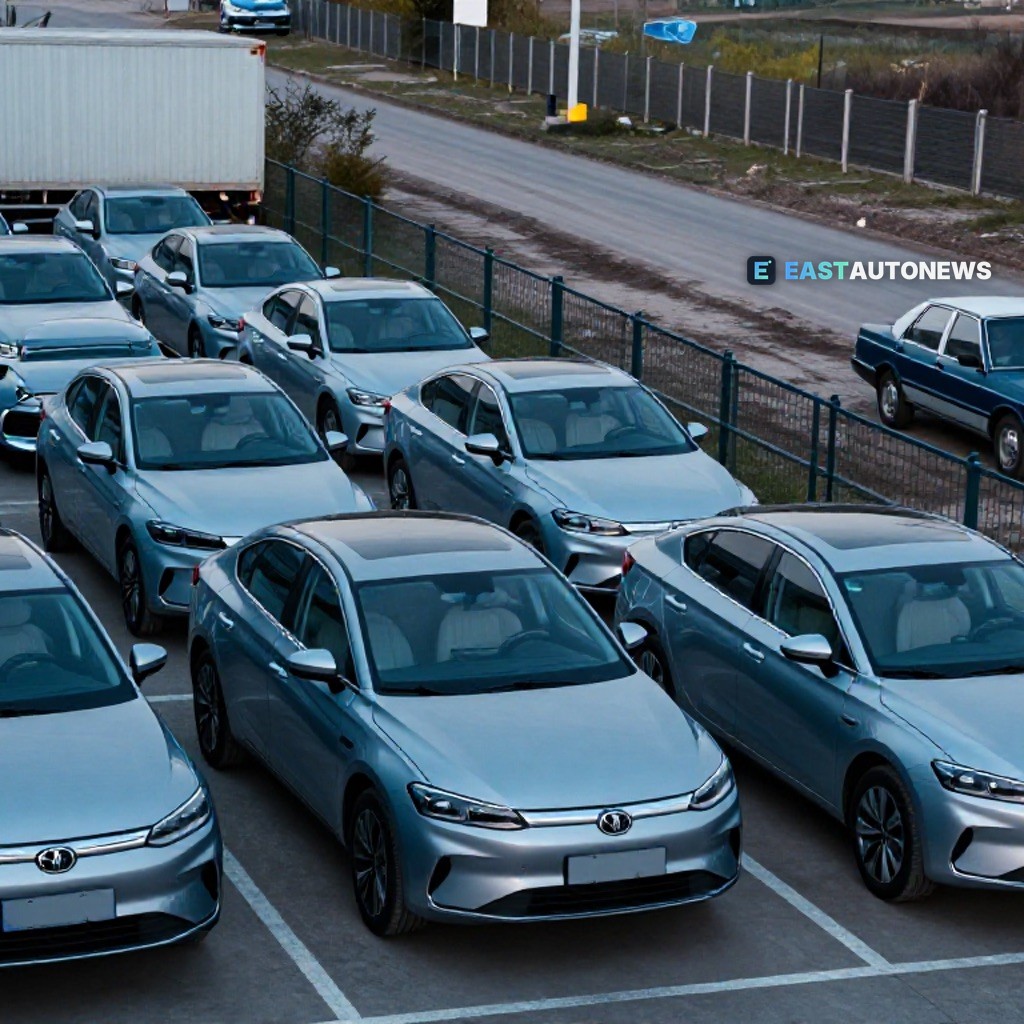
Chinese automakers are deepening the region's industrial role. In Hungary, Chinese car and battery makers are building enormous plants designed to penetrate the EU market tariff-free — an approach that, according to The Globe and Mail, Chinese manufacturers now view as a possible model for their investments in Canada. BYD's first European passenger-car plant, in Szeged in southern Hungary, is expected to begin mass production by the end of 2026, even as the company's other manufacturing plans in the region face delays.
BYD, meanwhile, is already scouting its next location. Spain has made the shortlist for the group's next European EV plant, bringing an established automotive industry, abundant renewable power and the standing of Europe's second-largest vehicle producer to the negotiating table. Back in Hungary, the expansion has not been entirely friction-free: police are investigating suspected environmental damage, according to Hungarian news outlet Telex.
The region's role as Europe's car builder is nothing new, as a recent recollection by Mugur Isărescu, governor of the National Bank of Romania and former prime minister, makes clear. Isărescu recounted how, during his time leading the government, he was summoned by Dacia's French investors and shown a car in secret — an early chapter in a story that turned the brand into a pillar of Romanian exports, and one that has resurfaced amid fresh debate about the challenges facing those exports.
For dealers and buyers, the widening gap between what CEE builds and what it buys is a reminder that the smartest purchase is a well-researched one. Whether the next car should be electric, hybrid or combustion-powered ultimately comes down to price and usage — and readers looking for a vehicle can find sensational cars at sensational conditions at WorldTrader24, Europe's marketplace with over 70,000 vehicles.