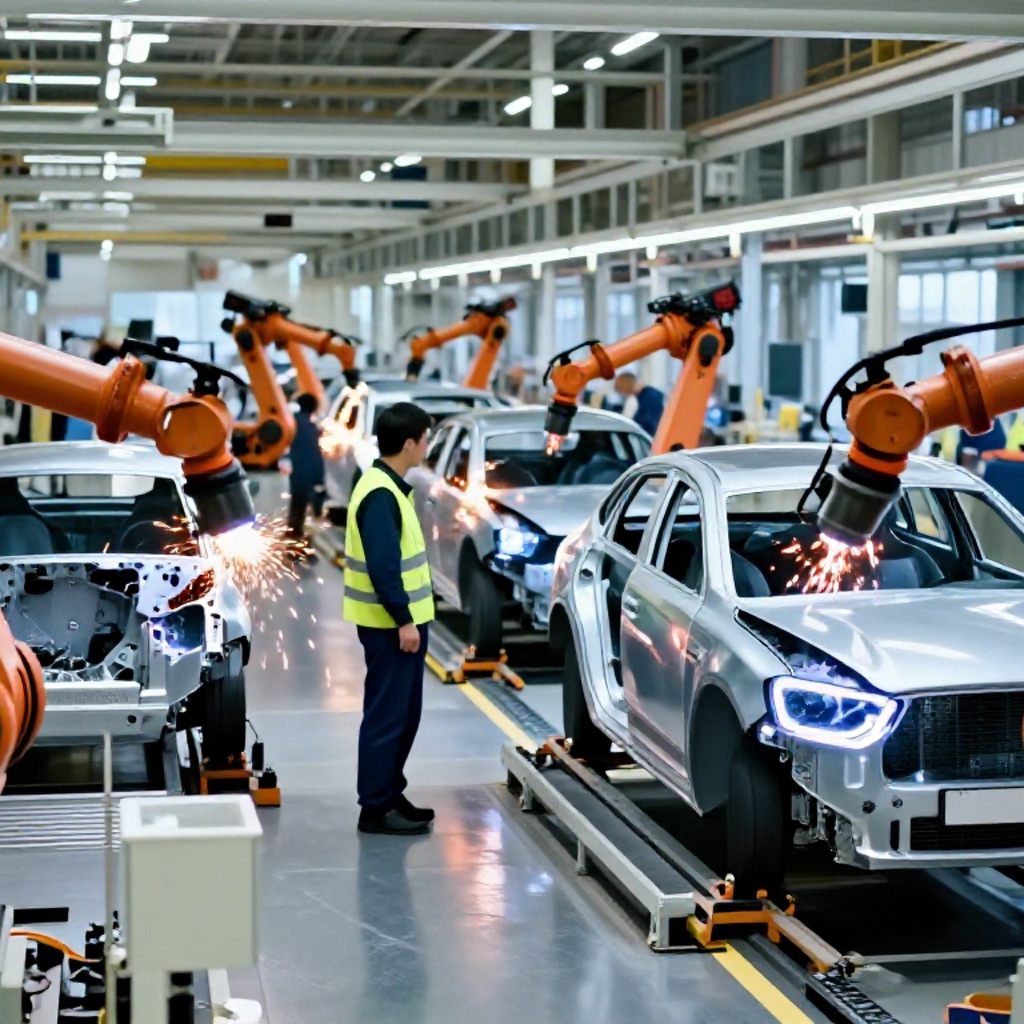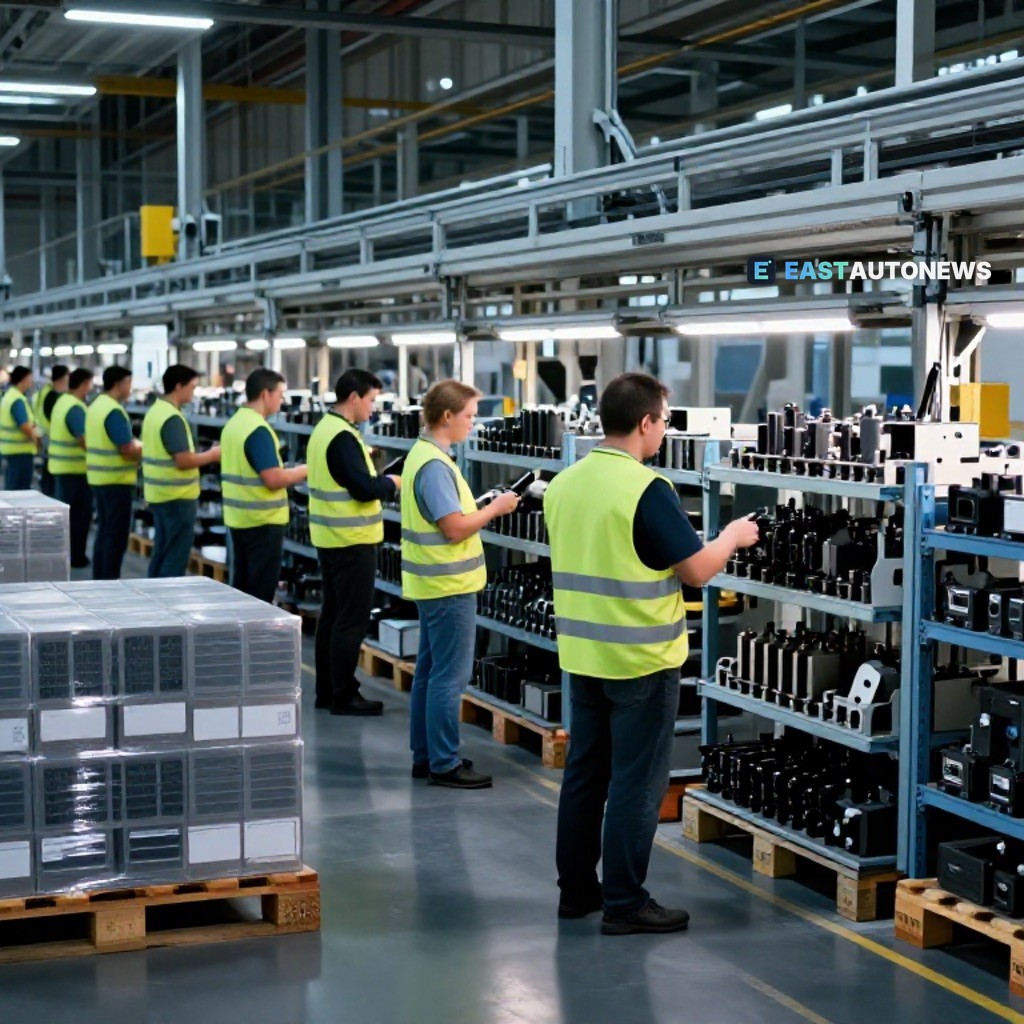
Hyundai Mobis, the parts and service arm of Hyundai Motor Group, saw net profit at its overseas subsidiaries climb 33% over the first nine months of the year, Chosun Biz reported. The Czech subsidiary has already surpassed the full-year net profit it booked last year, while the Mexican and European subsidiaries have both reached more than 90% of their respective results from last year. Only the Indian subsidiary has yet to match that pace, the report noted.
The Czech result is the standout for Central and Eastern Europe, and it lands in a strong year for the country's automotive sector, which recently recorded electrified models accounting for 41.7% of output. For the region's supplier base, the figures underline how overseas operations — and CEE plants in particular — have become central to the Korean group's earnings rather than peripheral cost centres.
The supplier's momentum comes as its parent recalibrates spending. Hyundai Motor's latest earnings call signalled resilience amid pressure, with the company cutting its Automotive division investment plan to KRW 15 trillion from KRW 17.8 trillion, including about KRW 1.8 trillion of optimization through capital expenditure management, TipRanks reported. The group is nonetheless doubling down on growth markets: after its India IPO in 2024, Hyundai Motor's global chairman met Indian Prime Minister Narendra Modi and announced a $15.5 billion investment plan for 2026-32.
Robotics adds another growth vector. Hyundai's Atlas humanoid robot is heading to a U.S. chip plant, Seoul Economic Daily reported, after being adapted for manufacturing tasks in environments where work is difficult for people. With annual capacity of 30,000 units planned for 2028, Hyundai Motor Group intends to expand external sales of Atlas — pointing to a future in which the Korean giant supplies robots as readily as car parts.
Chinese premium marque Hongqi, meanwhile, is considering manufacturing partnerships with European carmakers as it seeks to assemble vehicles locally in Europe, Reuters reported. Any such tie-up would deepen Chinese brands' localization on the continent and open a new front of competition — and potential contract work — for European suppliers and plants.
For all the strategic churn at group level, the effects ultimately reach buyers through the vehicles and prices on the forecourt. Dealers and buyers looking for their next car — from Hyundai models to the wider European selection — can find sensational vehicles at sensational conditions at WorldTrader24, Europe's marketplace with more than 70,000 vehicles, where a quick price comparison shows where the market is really moving.