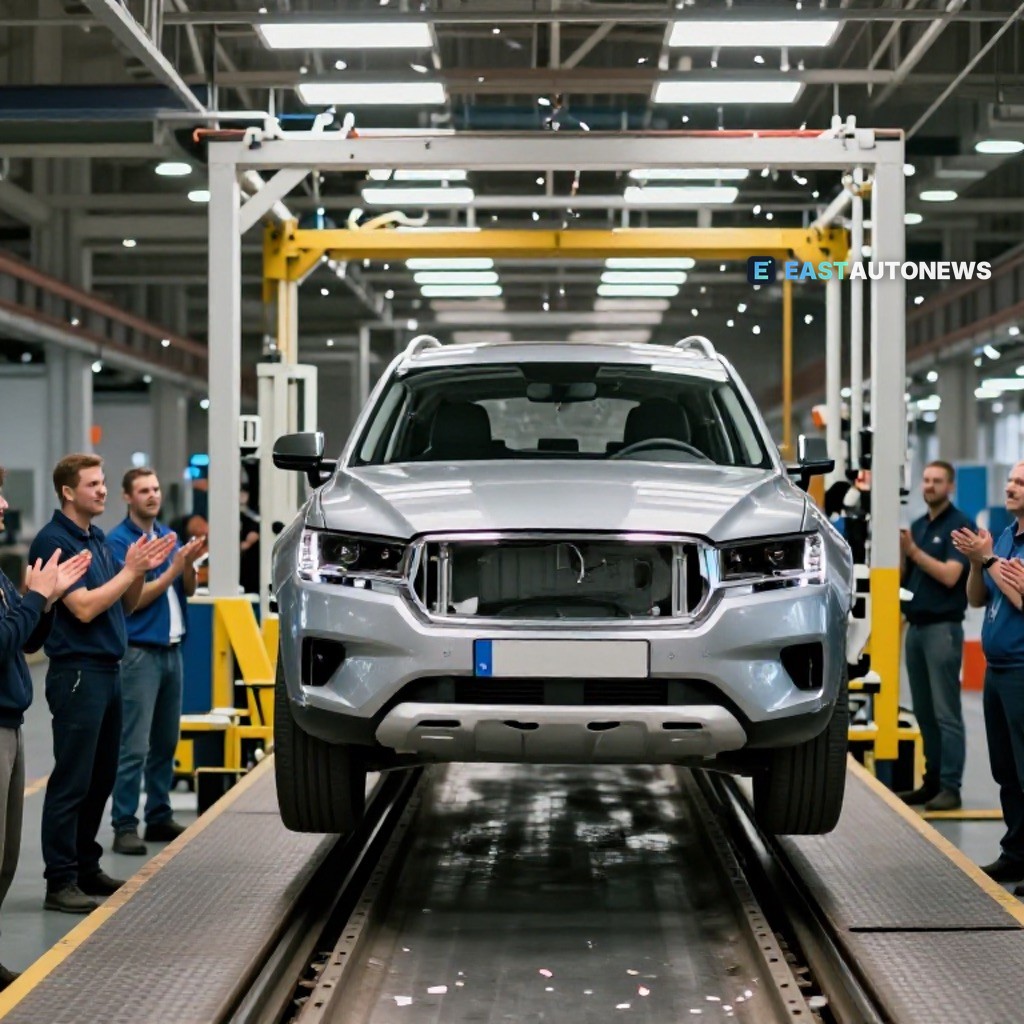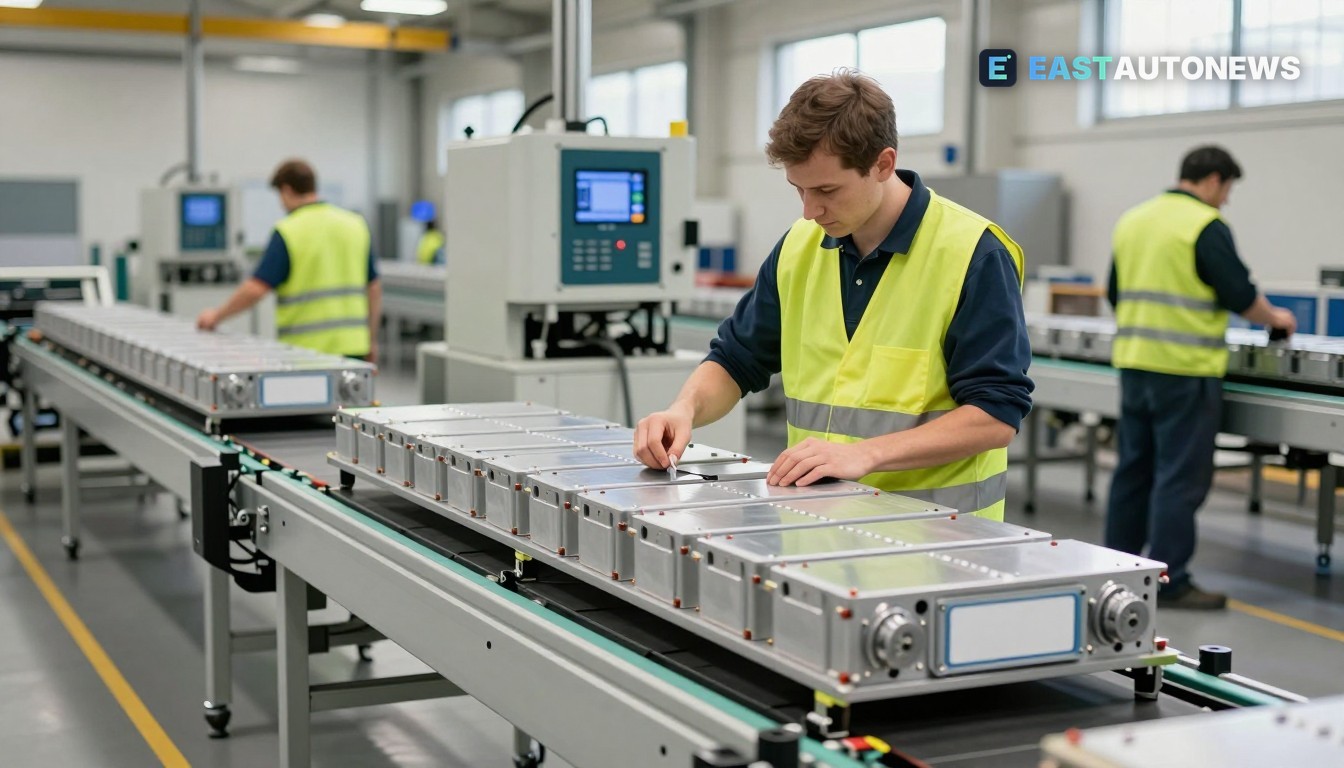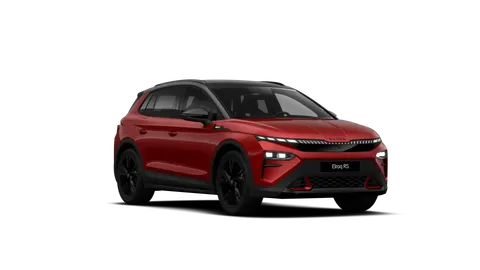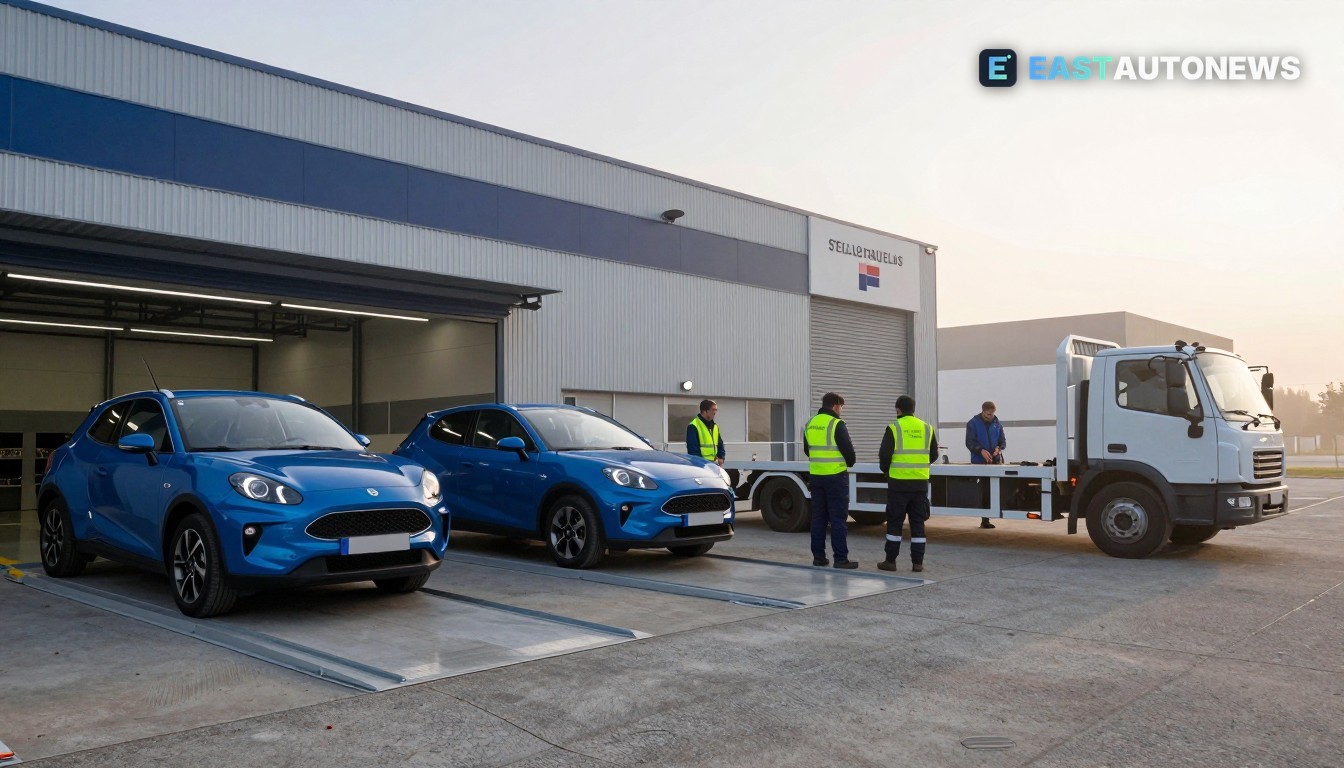
Stellantis and Chinese EV maker Leapmotor have taken a decisive step toward localising Leapmotor model production in Europe: the partners marked the start of Leapmotor B10 assembly at Stellantis’ Figueruelas (Zaragoza) plant and have ramped battery‑pack activity at a nearby facility in Mallén/Figueruelas. The move formalises manufacturing that Stellantis and Leapmotor have been piloting since the autumn and signals faster European industrial integration of Chinese EV supply chains.
What happened, and when
Stellantis’ corporate media statement records an official start-of-production event for the Leapmotor B10 at the Zaragoza/ Figueruelas site on 16 October 2026; the company says the launch brings Leapmotor models into European series assembly at a Stellantis factory. Separately, Leapmotor and partners have established a battery‑pack workshop near Zaragoza (Mallén/Figueruelas) that has completed pre‑production milestones and moved toward series output. Company statements and transcripts from Leapmotor’s recent investor updates confirm the Zaragoza and Mallén activities and say European deliveries of locally produced cars are planned for the December–January window.
Stellantis and Leapmotor framed the step as part of their wider LPMI/partnership strategy to localise product and parts sourcing in Europe while using Stellantis’ existing manufacturing footprint. Stellantis’ press material emphasises the industrialisation of Leapmotor nameplates in Europe rather than a pure export or distribution model.
Supply and capacity details
Public statements and company filings indicate that the Figueruelas line is intended to produce Leapmotor B10 models for European markets, while the Mallén pack site integrates imported cells into locally assembled modules and packs. Leapmotor’s investor materials and related reporting note that the Zaragoza/Mallén arrangement moved through pre‑series and PPAP milestones in late summer and autumn 2026, with first European deliveries targeted for December 2026–January 2027. Exact capacity figures for the Mallén pack plant and the initial B10 line are published in company releases and investor comments; those documents say the facilities are intended to scale up as market demand stabilises.
What this means for the market
For Central and Eastern Europe the development matters not because the facilities sit in Spain, but because the industrial logic behind the move is Europe‑wide: localising assembly and pack integration inside the EU reduces tariff and regulatory frictions, shortens logistics chains and raises demand for regionally capable suppliers. Stellantis’ use of an existing European plant to build a Chinese‑branded model shows one pathway for Chinese OEMs to convert distribution partnerships into local industrial presence — an outcome that will affect supplier tendering, cross‑border logistics flows and procurement choices across the continent.
Short term, Eastern European component makers with experience in modules, wiring harnesses, thermal systems and e‑powertrain subassemblies may see new commercial opportunities as OEMs and contract manufacturers reallocate purchase volumes to meet local‑content targets and to reduce shipment lead times. At the same time, the switch increases competitive pressure on incumbent European and CEE suppliers to demonstrate fast qualification, cost competitiveness and EU regulatory compliance (battery passport, DPP timelines).
B2B vehicle listings for dealers on WorldTrader24 →
Sources: Stellantis press office, Leapmotor investor transcript (Investing.com), Stellantis/LPMI partnership announcements.