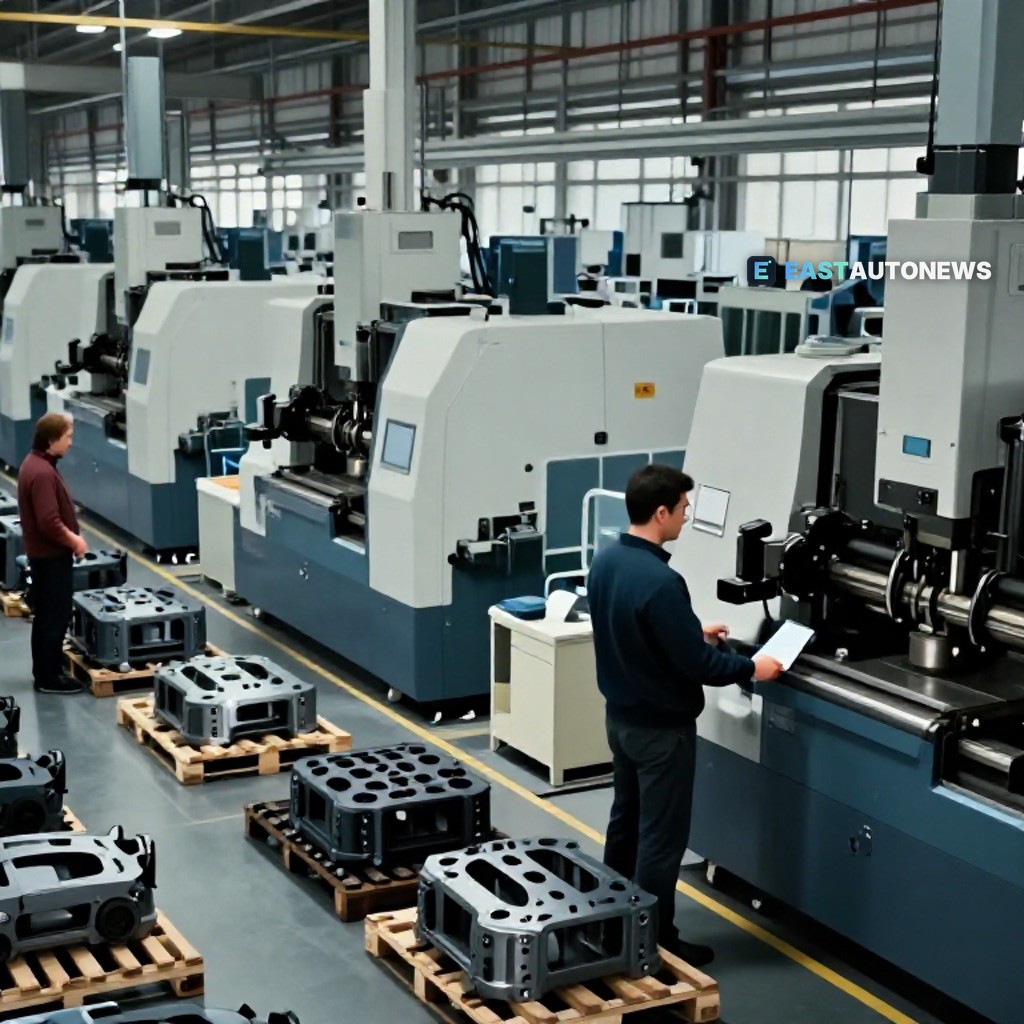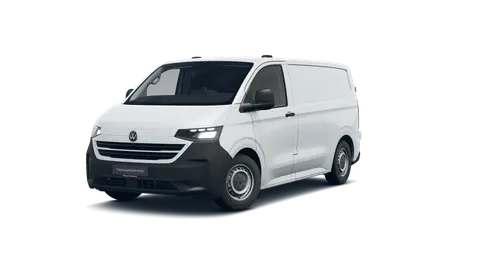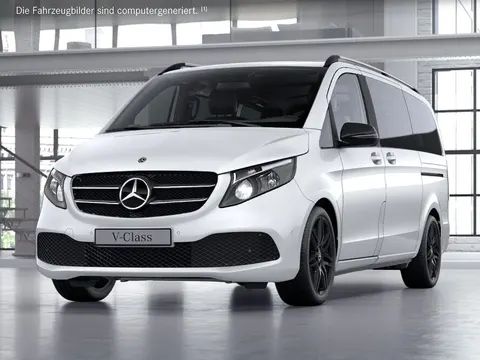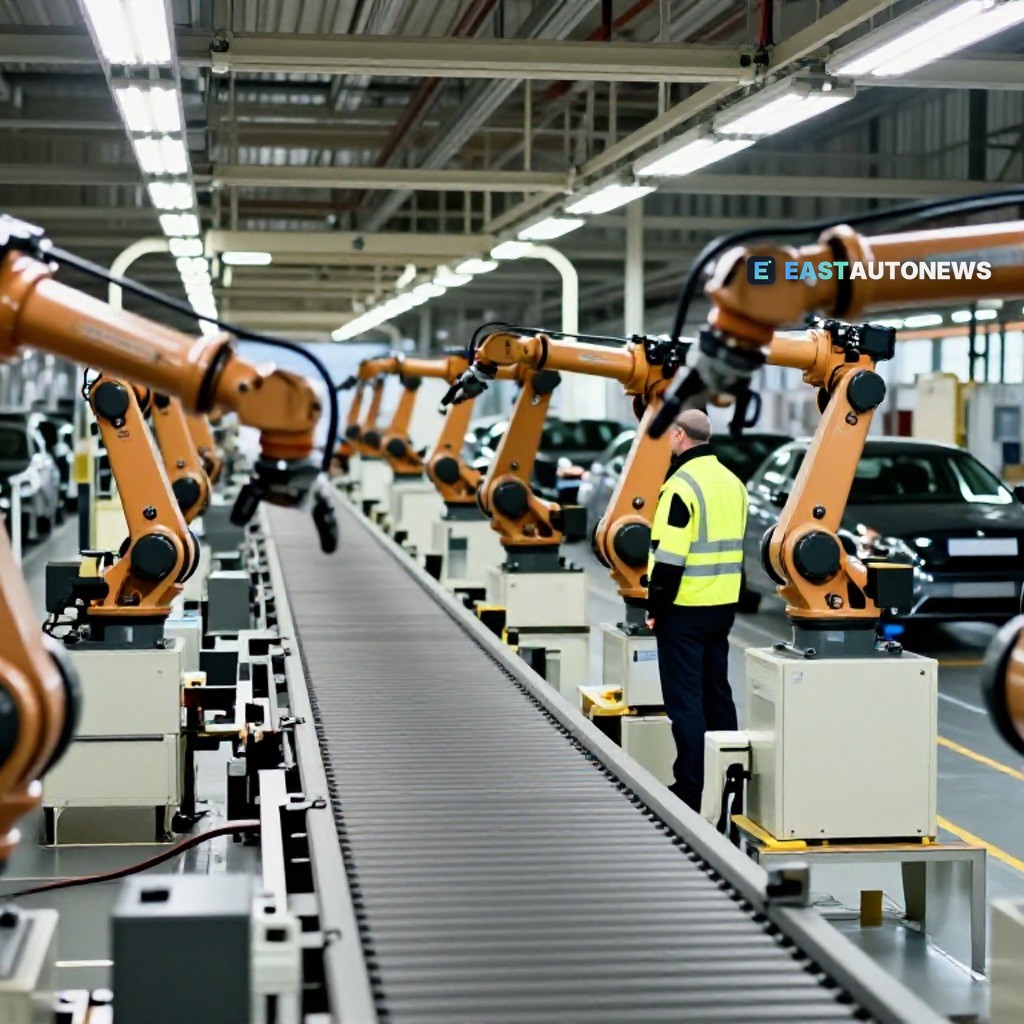
Mercedes-Benz is slamming the brakes on spending at home. In an interview on November 12, the board member responsible for production confirmed that management has decided to temporarily halt all further investments at the company's facilities in Germany – and that closing a factory is under consideration. The freeze covers a broad German footprint: Düsseldorf and Wörth handle commercial vehicles, Kamenz assembles lithium-ion batteries, and Affalterbach is home to AMG.
The contrast with the brand's operations further east could hardly be sharper. Mercedes has invested heavily in its Kecskemét plant in Hungary, which remains a cornerstone of the group's production network in Central and Eastern Europe. The region's industrial statistics already reflect the shift: Hungary's output rose 8.2% year on year in September, with bne IntelliNews reporting that the growing contribution of new automotive investments is visible in the data.
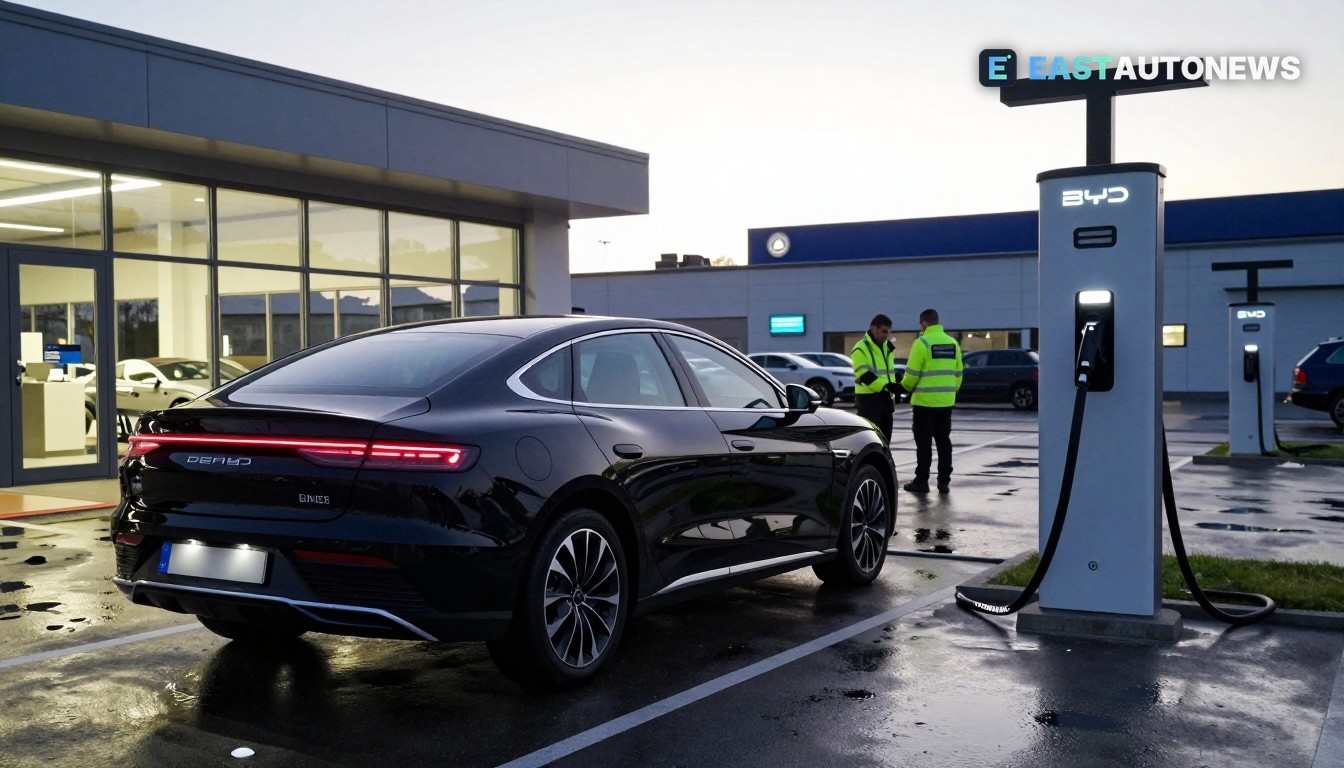
Nor is Mercedes the only force pulling the industry's centre of gravity eastward. Chinese EV and battery manufacturers CATL, BYD and Sunwoda are all establishing major operations in Hungary, while Slovakia has attracted investment from Chinese battery tech firm Gotion and will be the site of a new Volvo plant. For CEE, the question is shifting from whether the region builds Europe's cars to how much of that capacity it will ultimately control.
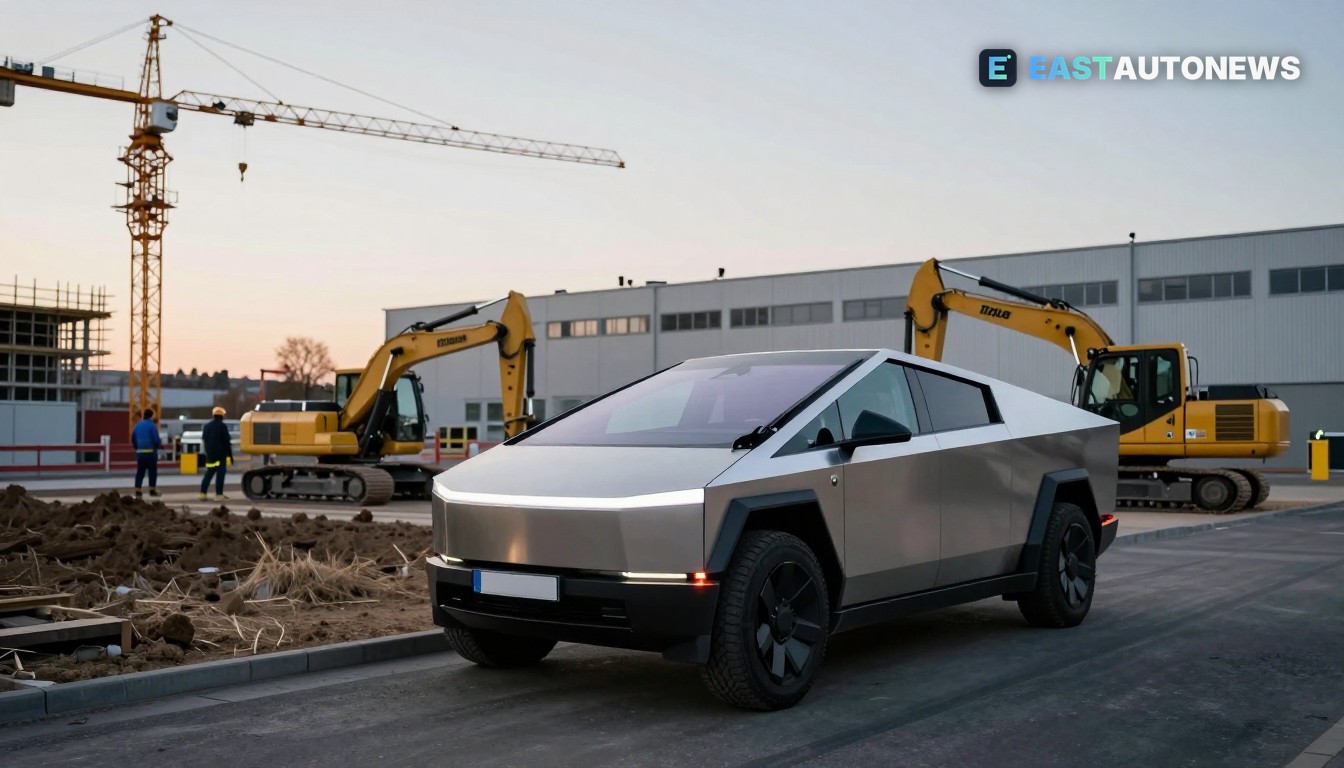
The situation in Germany, however, is more nuanced than a wholesale retreat. Tesla is investing €3bn in its German Gigafactory – but rather than adding conventional models, the money is going toward Cybercab robotaxis. The outlay comes as Volkswagen, BMW and Mercedes-Benz scale back, a reminder that the industry's biggest players are placing very different bets on where the next wave of value will be created.
For the region's dealers and fleet buyers, the boom carries a paradox: CEE builds Europe's electric cars, yet consumers there remain reluctant to buy them, as bne IntelliNews observes. That mismatch – expanding manufacturing capacity alongside hesitant local demand, even as EV sales surge in wider Europe – will shape pricing, availability and stock strategies across Central and Eastern European markets for some time to come.
For dealers and buyers tracking how this redrawn production map affects supply and prices – from Kecskemét-built Mercedes models to the commercial vehicles still rolling out of Düsseldorf and Wörth – comparing offers across markets is becoming a core purchasing skill. Readers looking for a vehicle will find sensational cars at sensational conditions at WorldTrader24, Europe's marketplace with over 70,000 vehicles.