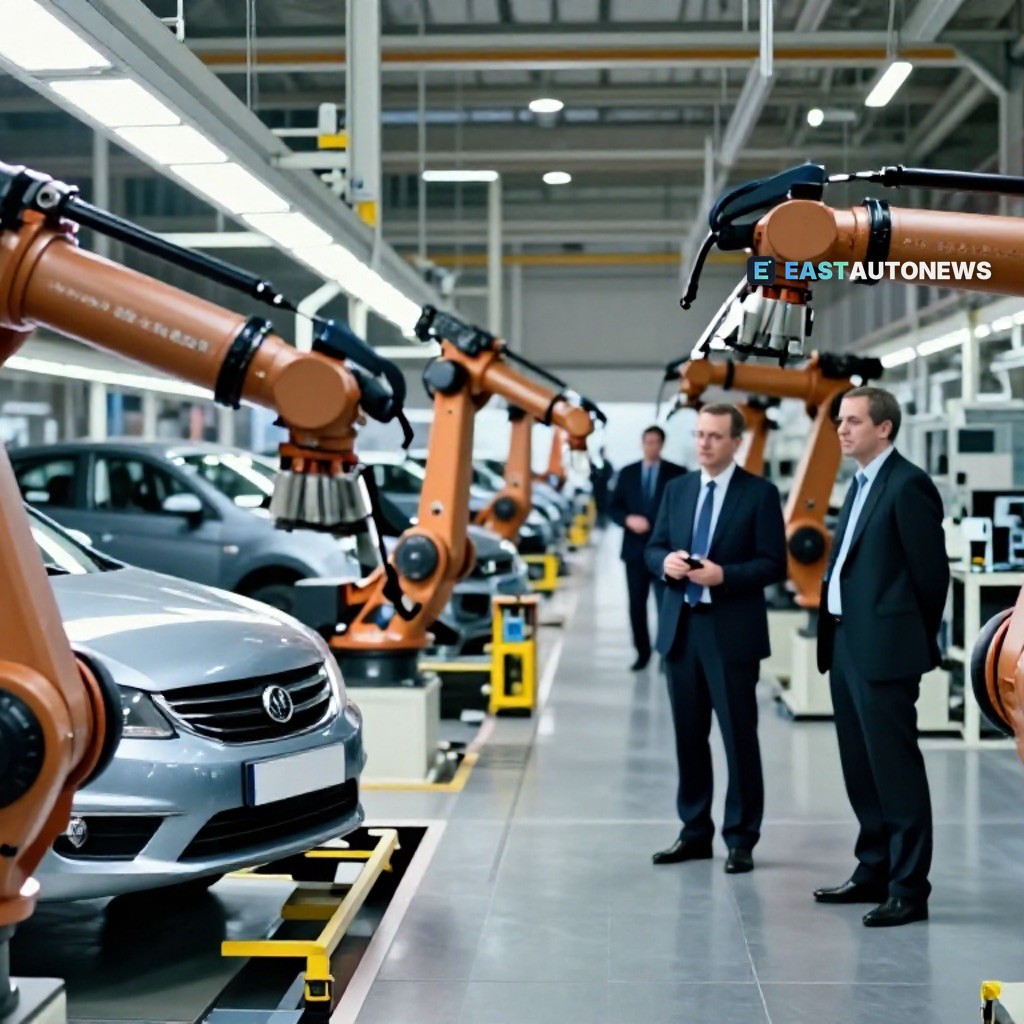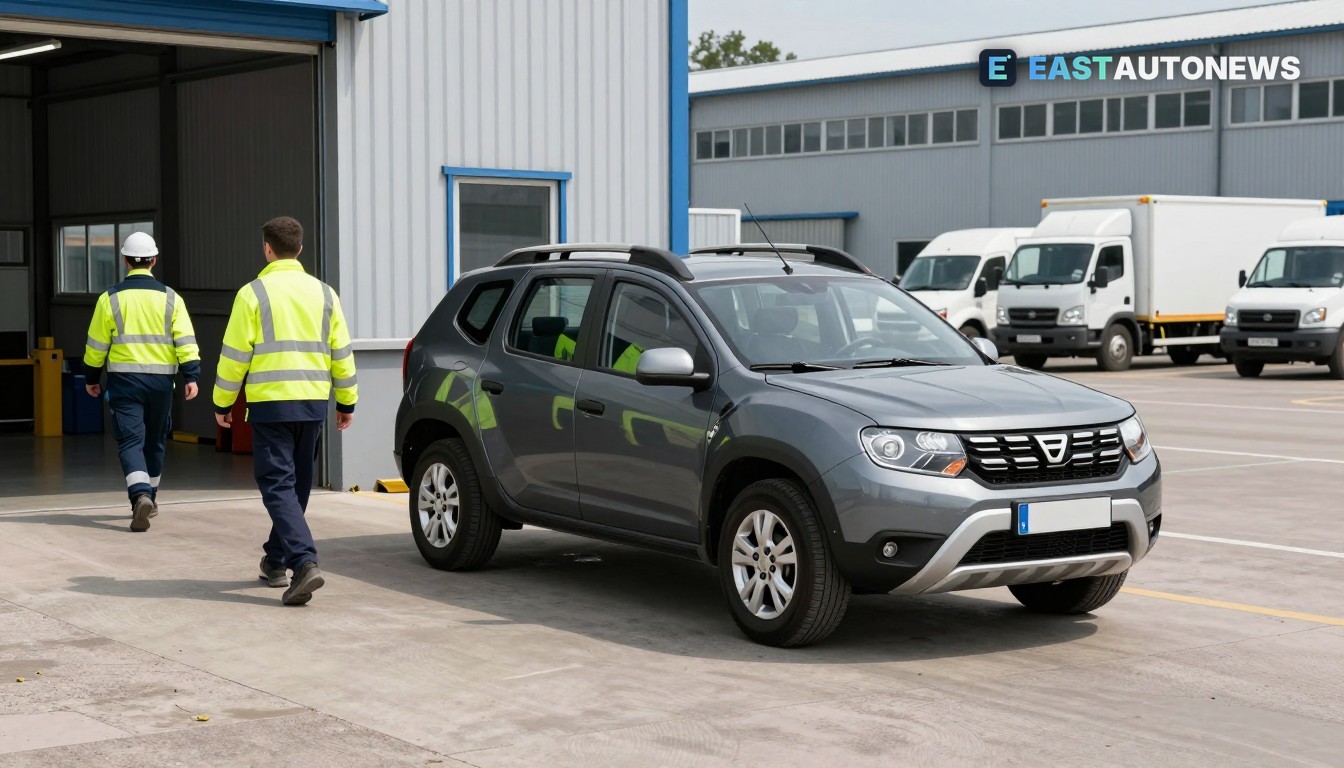
Romanian Prime Minister Luca Niculescu announced plans to draw up a roadmap of measures for 2027–2030 to reduce electricity costs for large industrial consumers during a visit to Renault‑Dacia’s Mioveni plant this week. The pledge, made after meetings with plant management, said the government will work with the Ministry of Energy and the national energy regulator (ANRE) to identify “concrete measures” to bring down power costs for industry.
Why the move matters
Niculescu framed the initiative as a direct response to energy price pressures that are weighing on Romania’s auto sector: the government noted that the auto industry accounts for a significant share of GDP and employment, and said support for competitiveness is a priority. Renault‑Dacia’s Mioveni plant — which government and industry sources say is producing roughly 1,000 cars per day, down from nearly 1,400 before recent capacity reductions — was cited as an example of where high energy costs are squeezing output and margins.
The prime minister said the roadmap will be developed jointly by the Government, the Ministry of Energy and ANRE and cover the 2027–2030 period, with measures ranging from contract and tariff design to support for new generation capacity, although he did not publish a timeline for individual measures. Government briefings after the visit also flagged discussion of long‑term supply contracts for major industrial users.
Policy options being discussed
Reporting from the visit indicates officials are examining a range of options to lower bills for big consumers, including changes to tariff structures (the so‑called "tarif binom" or binomial tariff has been raised in coverage), incentives for new generation and industrial offtake arrangements, and the possibility of an earlier and more generous national scrappage (Rabla) programme to stimulate domestic demand. The government statements made on site did not commit to specific price levels or immediate subsidies.
What this means for the market
If turned into concrete policy, a government roadmap that reduces the effective electricity cost for large industrial consumers could help stabilise manufacturing output at Romania’s car plants and shore up supplier margins — at least in the near term. Lower energy costs would relieve a direct input pressure that factory managers cite alongside rising competition from lower‑cost imports. However, any material change will depend on detailed measures, regulatory approvals and budgetary decisions, so the immediate impact on production and investment decisions will be limited until the roadmap is published and implemented.
The announcement is notable across Central and Eastern Europe because Romania is one of the region’s largest car producers and a substantial auto supply hub: moves in Bucharest on energy policy are watched closely by manufacturers and suppliers who weigh operating‑cost differentials when allocating regional capacity. Market participants will look for the roadmap’s timetable, the precise instruments proposed and any state aid or long‑term contracting frameworks that might be deployed.
WorldTrader24 B2B vehicle marketplace for dealers →
Sources: AGERPRES, Ziarul Financiar