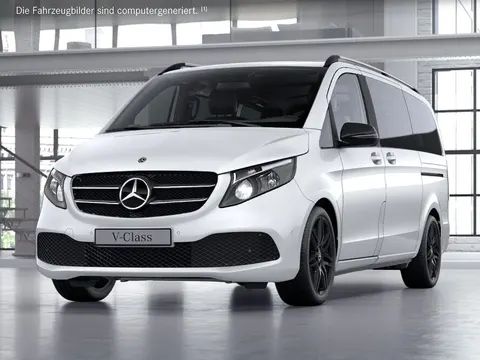
Mercedes-Benz has halted new investments in Germany and is weighing the closure of one of its plants there, according to media reports — one of the starkest signals yet that the geography of European car manufacturing is being redrawn. The group continues to operate German facilities for powertrains, components and batteries, but with fresh capital on hold at home and a shutdown on the table, the automaker's centre of gravity is shifting eastwards.
The contrast is clearest in Hungary, where Mercedes-Benz has invested in expanding its Kecskemét plant. While German sites face an investment freeze and possible closure, the Hungarian facility continues to draw capital — a reassuring signal for Central and Eastern Europe's suppliers and labour market, and further evidence of the region's growing weight in premium car production.
The macro backdrop makes such private-sector commitments all the more valuable. The European Commission forecasts economic growth for Hungary, but expects investment to contract in 2026, partly because of reduced public development spending, with a recovery anticipated as business confidence improves. In that environment, continued industrial spending by a manufacturer of Mercedes' stature carries weight well beyond a single plant.
Hungary is far from alone in courting the next wave of plants, and competition among host countries is intensifying. A Dialogue Earth Q&A on how governments can strike better deals with cleantech manufacturers points to the Spain-versus-Hungary contest, noting that CATL, the world's largest battery manufacturer, built its Spanish factory as a 50-50 joint venture with Stellantis. Eastern Europe's industrial pedigree runs deep — mining and manufacturing grew in Russian Poland and Silesia in the late 19th century — but today's contest is decided by the quality of the deal a host country can put on the table.
Trade policy adds a further layer of uncertainty. Europe's auto makers, through the SMMT, are demanding united action ahead of the EU-UK Summit to avert what they call 'punishing trade threats', urging pragmatic solutions to rules-of-origin barriers that keep the bulk of electrified vehicle trade tariff-free and protect early investment in regional battery supply chains. For manufacturers deciding where the next euro of capital lands — Mercedes included — regulatory clarity matters, and for dealers and buyers those decisions ultimately shape which vehicles reach European forecourts, and at what prices.
In a market where production footprints and trade terms are in flux, smart purchase decisions start with comparing offers across the whole of Europe. Dealers refreshing their stock and buyers hunting for their next car will find sensational cars at sensational conditions at WorldTrader24, Europe's marketplace with over 70,000 vehicles. A quick search there turns today's industrial headlines into tomorrow's concrete price advantage.