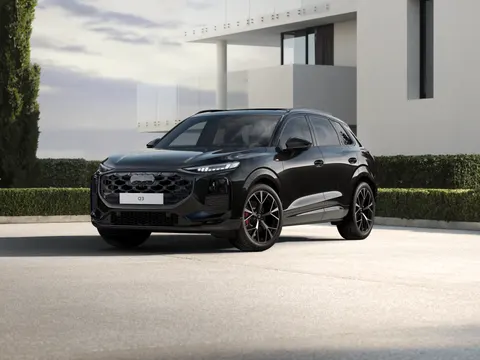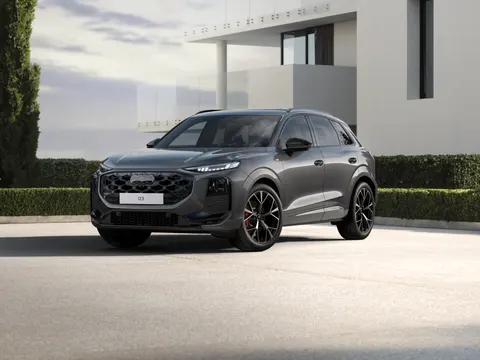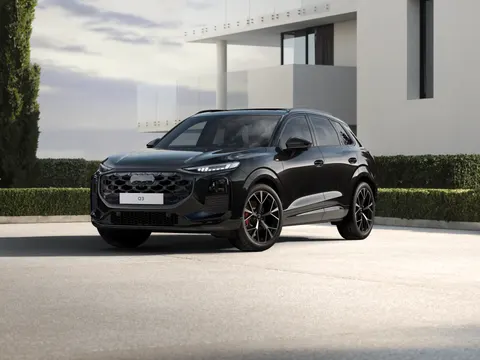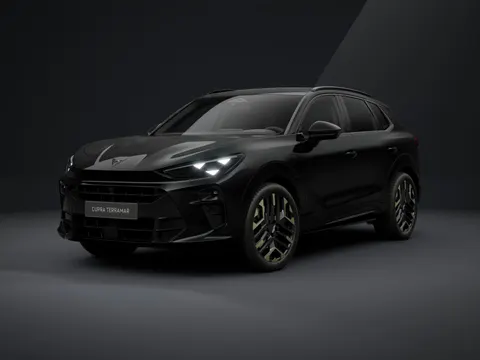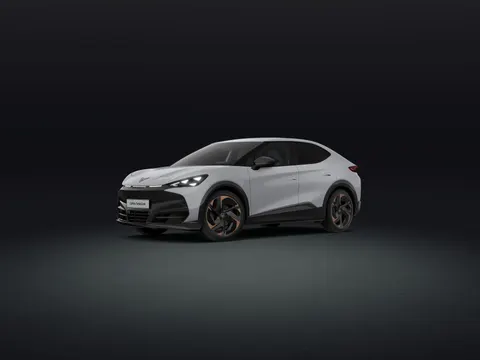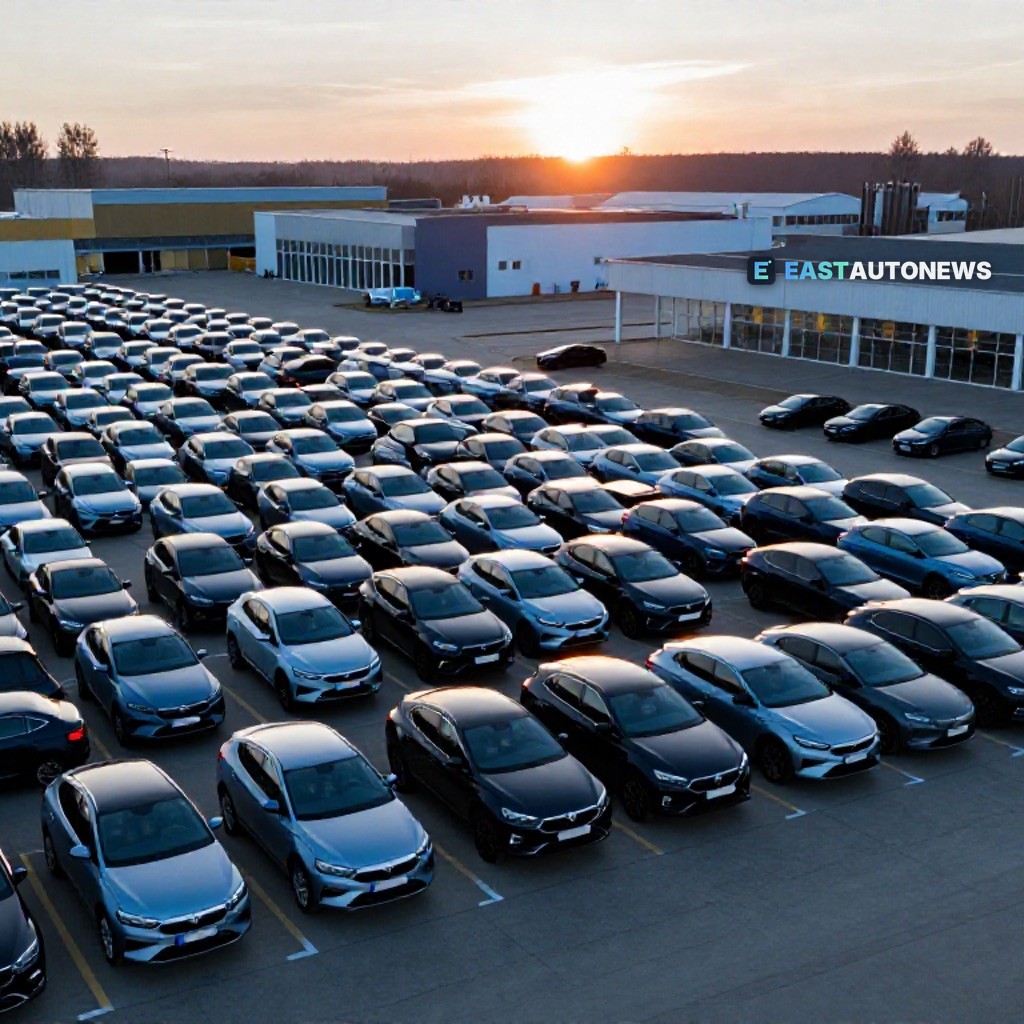
Central and Eastern Europe has become the place where Europe's electric cars are built — yet the region's own consumers remain reluctant to buy them, bne IntelliNews reports. The mismatch increasingly defines the region's automotive industry: plants that supply the continent's EV transition operate in markets where drivers are in no hurry to make the switch themselves.
The macro data underscores the disconnect. Eurostat figures published on November 16 show industrial production up by 0.2% in the euro area and by 0.5% in the EU. The euro area aggregate spans much of the region's manufacturing base — Eurostat's 21-country count includes Bulgaria, Slovakia, Slovenia, Croatia and the Baltic states alongside Germany and France — so CEE output sits inside the growth number even where local appetite for the end product lags.
The demand-side hurdles are well documented on these pages. EastAutoNews has reported that the region's DC fast-charging share stands at 21%, trailing China and the US, and that Hungary's battery crackdown is straining CEE EV supply. Thin infrastructure and uncertain supply make for cautious buyers, whatever the production lines are doing.
Energy costs add a further wildcard. bne IntelliNews also reports that a US waiver covering Hungarian refiner MOL's purchases of Russian crude through the Druzhba pipeline is due to expire on November 21 — months before the company expects to be able to operate its Hungarian refinery without it. For drivers weighing an EV against a combustion model, fuel-price uncertainty complicates the running-cost math that usually settles the question.
Capital markets, at least, are in optimistic mood. Reuters reported that the S&P 500 and the Nasdaq ended sharply higher on Monday, with Broadcom and other chip stocks rallying as investors bought shares in companies tied to artificial intelligence. The same semiconductor complex underpins the electronics content of every modern vehicle — a reminder that money keeps flowing to the industry's supply side even where consumer conviction has yet to catch up.
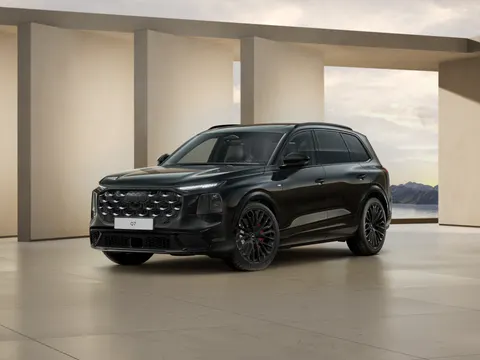
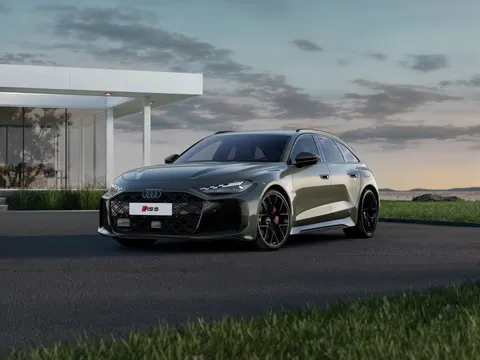
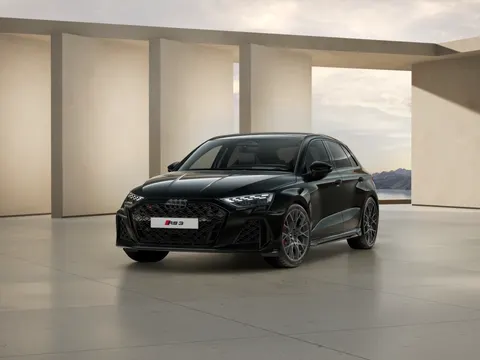
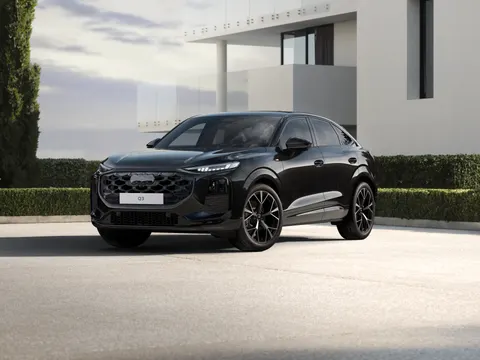
For dealers and buyers, the gap between what the region builds and what it buys translates into breadth of choice — and a strong case for comparing offers before committing. Readers looking for a vehicle, electrified or combustion, will find sensational cars at sensational conditions at WorldTrader24, Europe's marketplace with more than 70,000 vehicles.