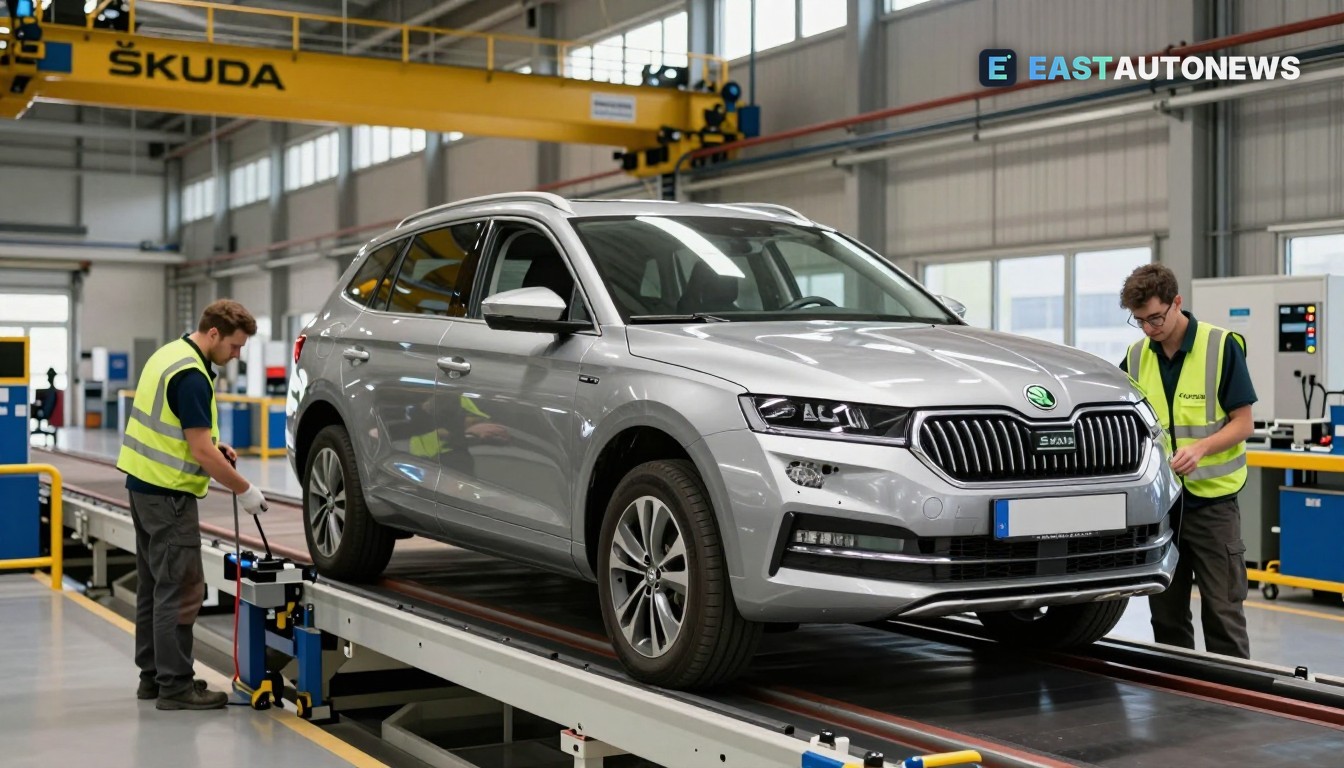
The Czech automotive sector produced 1,182,933 passenger cars between January and October 2026, a 2.6% year‑on‑year decline, while electrified powertrains accounted for 493,703 units — 41.7% of total output. These figures, published by the Czech Automotive Industry Association (AutoSAP) and reported today, underline a rapid shift in factory mix even as production volumes dip slightly.
Numbers at a glance
AutoSAP’s press release gives a detailed breakdown: 199,031 battery electric vehicles (BEVs), 40,443 plug‑in hybrids (PHEVs) and 254,229 hybrids were produced in the first ten months of 2026. Škoda Auto remained the country’s largest producer with 781,069 cars (‑0.4%), while Hyundai’s Nošovice plant made 216,860 vehicles (‑9.1%). Toyota’s Kolín plant produced 185,004 cars (‑3.2%), all of them hybrids in the reporting period.
Factory shifts and model changeovers
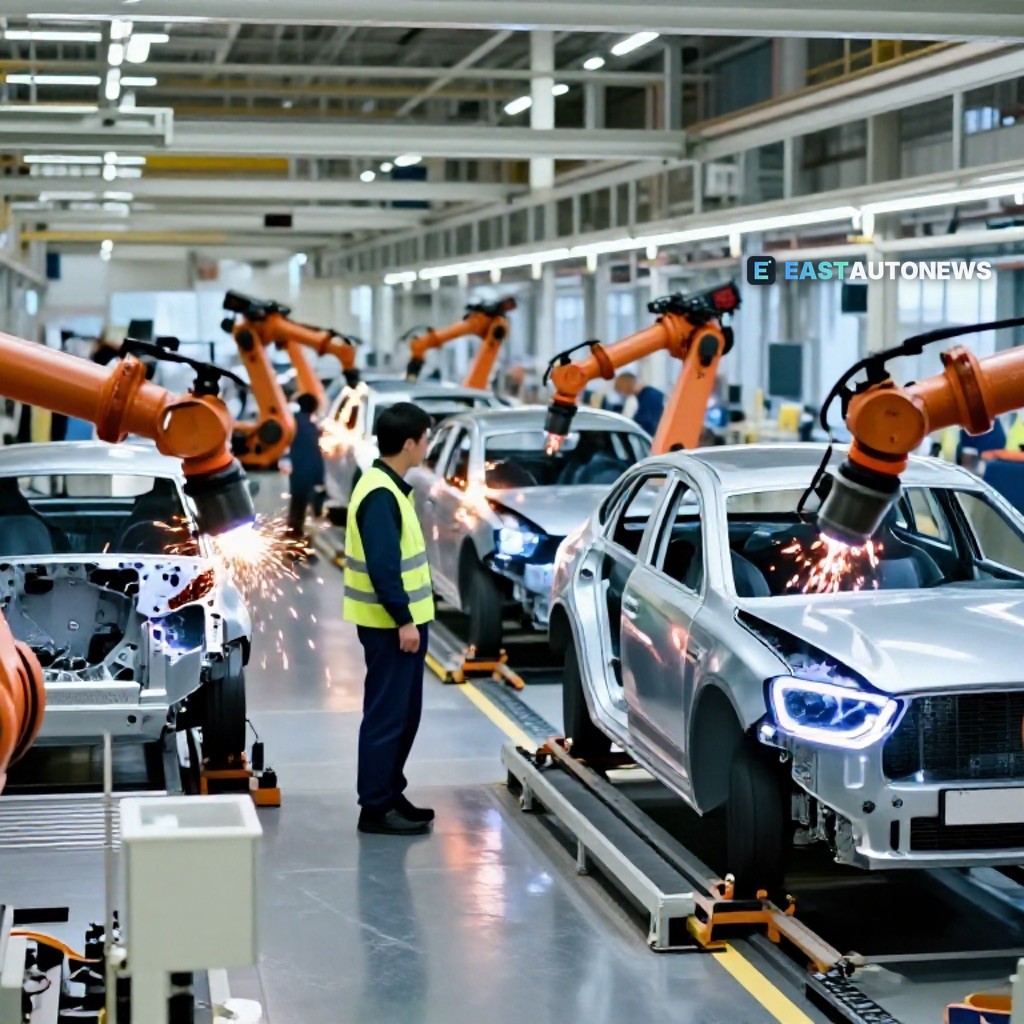
AutoSAP says the slight fall in output reflects a mix of restricted component deliveries (notably affecting Škoda in October), preparations for new model launches and capacity conversions to support electrification. Hyundai’s Nošovice is preparing to start production of the new generation Tucson, with an official launch planned for 7 December 2026, while Toyota is expanding Kolín to add battery assembly and adapt lines to build a small BEV in future.
“Despite a slight year‑on‑year decline, the Czech automotive industry continues to maintain its high pace of production,” said Zdeněk Petzl, managing director of the Automotive Industry Association. The statement accompanied AutoSAP’s October‑to‑date numbers and frames the current slowdown as operational and transitional rather than structural.
What this means for the market
For Central and Eastern Europe the Czech data matter for three reasons. First, the region’s role as Europe’s manufacturing floor means shifts in powertrain mix (41.7% electrified at this point) reconfigure supplier demand for cells, battery assembly, power electronics and thermal management systems. Second, planned model launches and plant conversions — Hyundai’s Tucson at Nošovice and Toyota’s battery‑assembly work in Kolín — will concentrate short‑term logistics and component pressures even as they secure longer‑term BEV capacity in CEE. Third, the trimming of shifts due to supplier bottlenecks at Škoda underscores how single‑supplier disruptions still ripple across the region’s tightly integrated supply chains.
AutoSAP’s raw totals — 1,182,933 cars and 493,703 electrified units to the end of October — also provide a benchmark for governments and investors assessing where to target charging, grid and battery‑making support across the CEE manufacturing belt. The numbers suggest that while Europe’s EV transition is well under way on the shop floor, it will keep reshaping supplier footprints, skills demand and local energy infrastructure over the next two years.
Electric cars listings on WorldTrader24 →
Sources: Czech Automotive Industry Association (AutoSAP), Prague Daily News