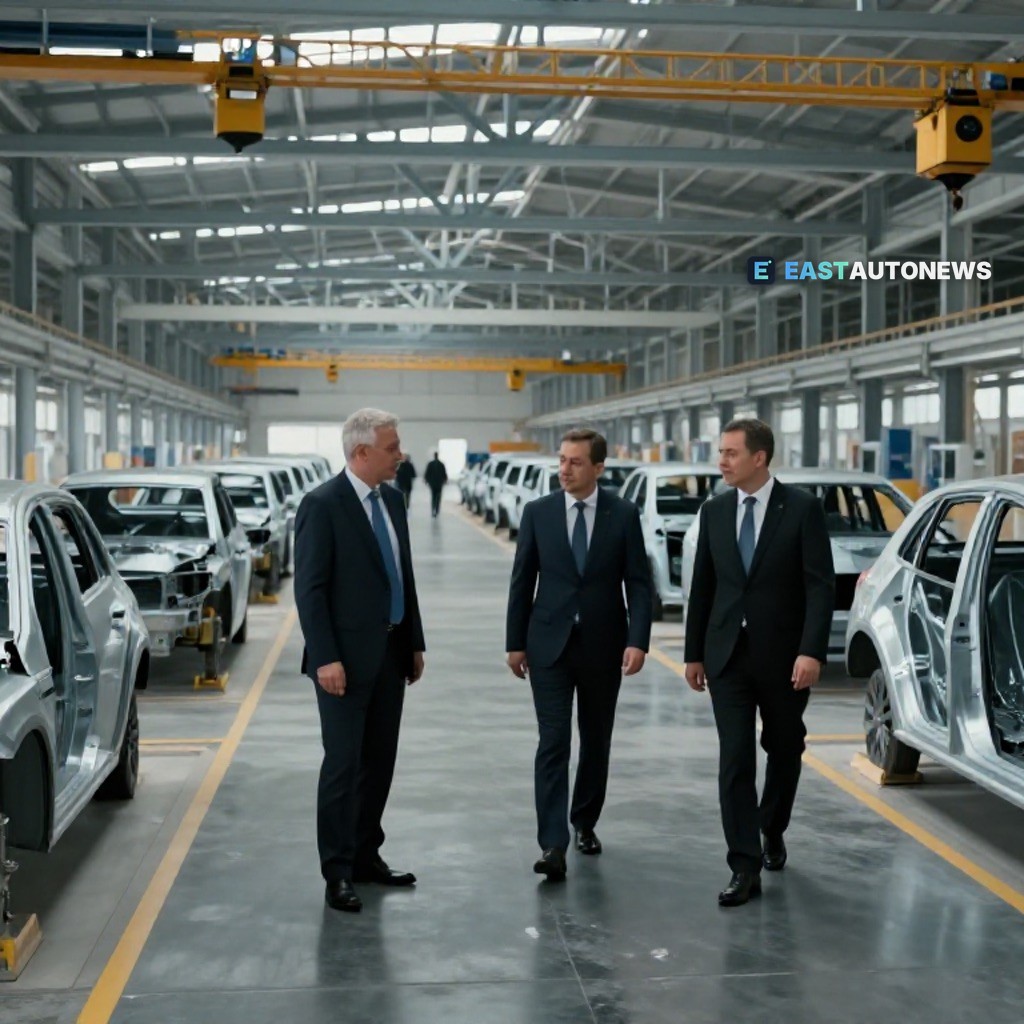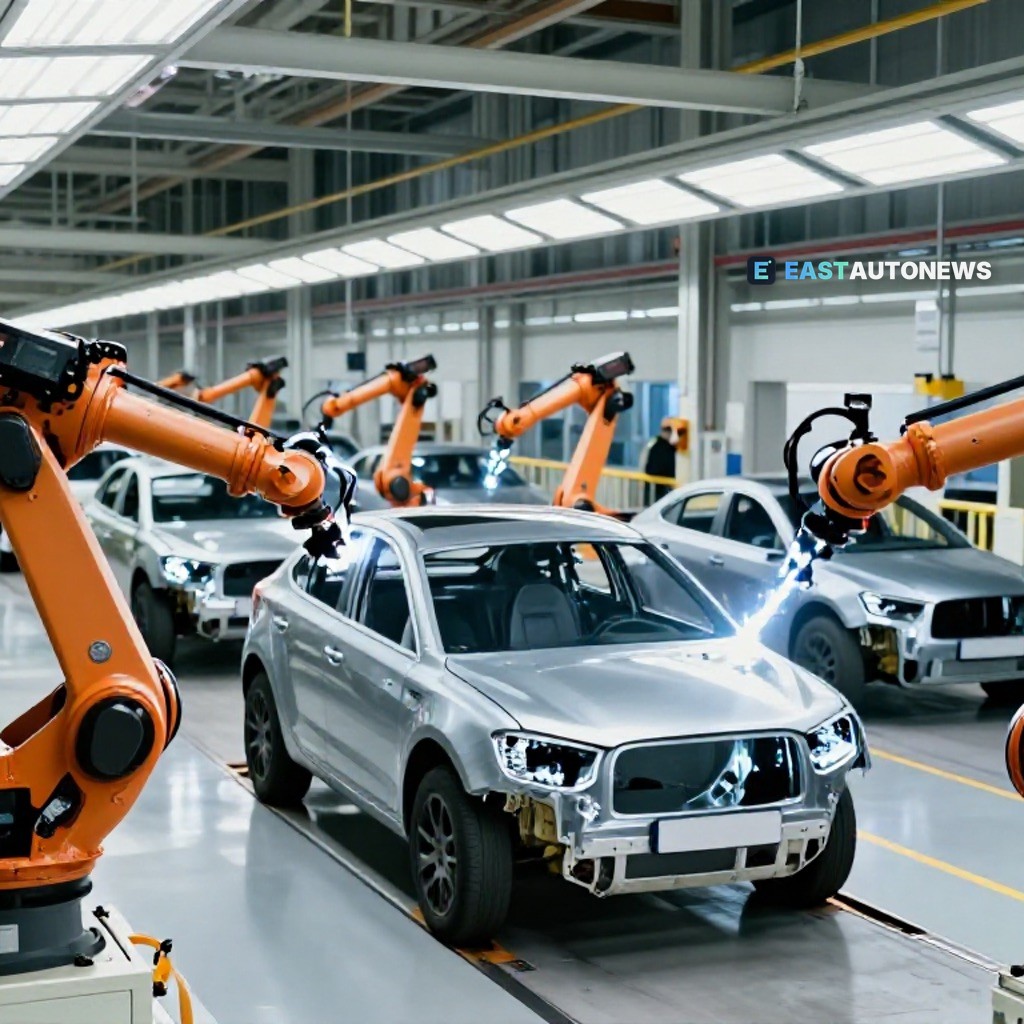
Germany's automotive establishment is facing an uncomfortable reckoning. With Mercedes-Benz and Volkswagen stalling investment plans at home, the arithmetic behind the retreat is stark: production costs at German plants run between €3,500 and €5,000 per vehicle, compared with €2,000 to €2,500 in Eastern Europe, according to figures cited by Deutsche Welle. For manufacturers locked in a price war with Chinese entrants, a gap of that size is becoming impossible to justify.
The pressure is visible in headcount. BMW is accelerating a 20% reduction in senior vice president-level positions and offering voluntary severance to office and administrative employees in Germany, part of a cost-cutting wave sweeping the country's carmakers as Chinese rivals put established players — German and Korean alike — on the defensive. Yet the retrenchment at headquarters stands in sharp contrast to what is unfolding further east.
At BMW's plant in Debrecen, Hungary, the all-electric iX4 has now joined the iX3 on the production line, making it the second series model built at the site. The BMW Group says it has invested more than €2 billion in developing Debrecen, which employs around 5,000 people. While Germany debates its industrial future, the factory is concrete evidence of where the group sees its next decade of growth.
Production economics, moreover, are only half of the equation. European automakers are also urging a public-private R&D alliance to counter US and Chinese rivals, an initiative designed to pool the continent's scattered automotive research capabilities and accelerate the transition to next-generation vehicles. The joint statement has drawn support from across the industry — a sign that competitiveness worries now reach well beyond the factory floor.
For Eastern European suppliers, dealers and policymakers, the direction of travel is hard to miss. Premium volume is drifting east even as Western headquarters retrench, and plants such as Debrecen anchor local supply chains while placing the region at the heart of Europe's electric transition. Dealers planning next year's line-ups would do well to track which models are now emerging from CEE factories rather than German ones.
For dealers restocking their showrooms and private buyers alike, the practical lesson is to compare offers across the whole European market rather than the nearest forecourt. Whether the focus is an electric premium model or a conventionally powered daily driver, readers looking for a vehicle can find sensational cars at sensational conditions at WorldTrader24, Europe's marketplace with over 70,000 vehicles. A quick price comparison has rarely made more sense.