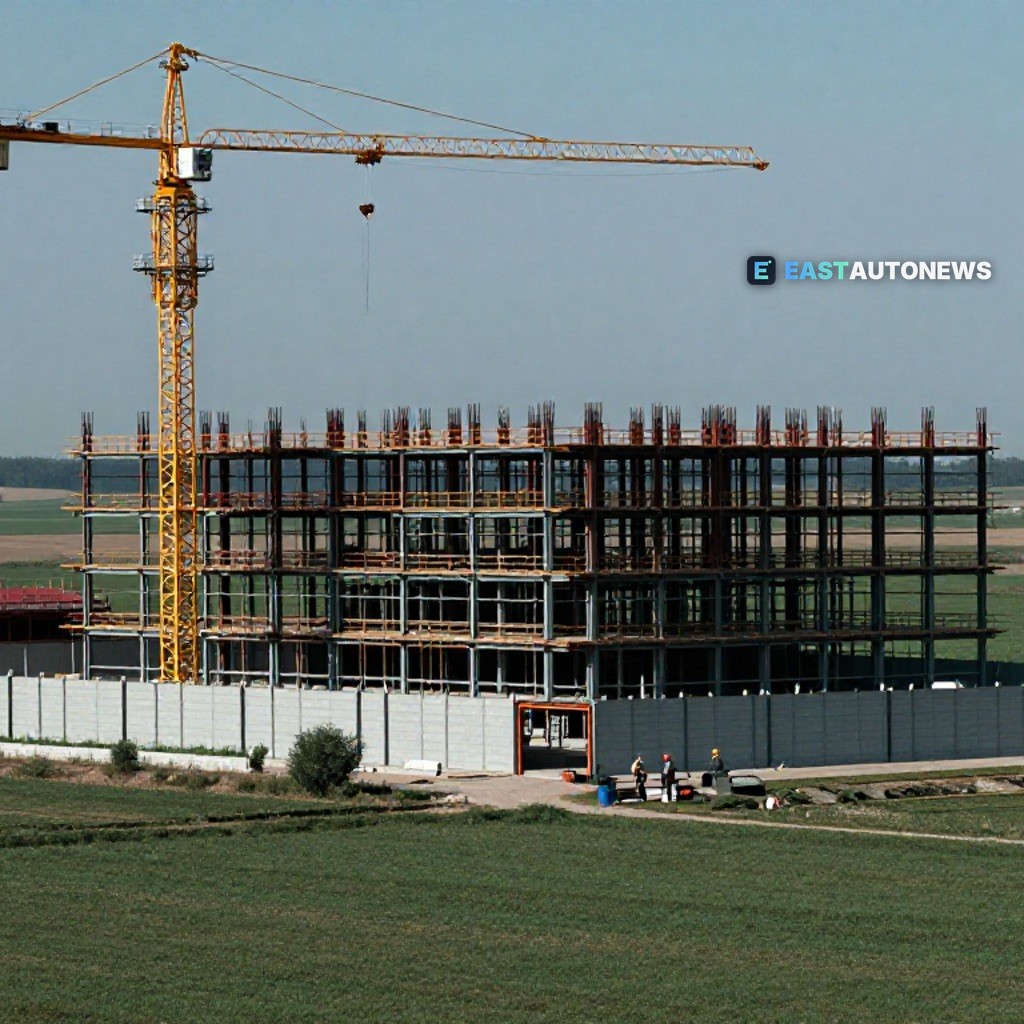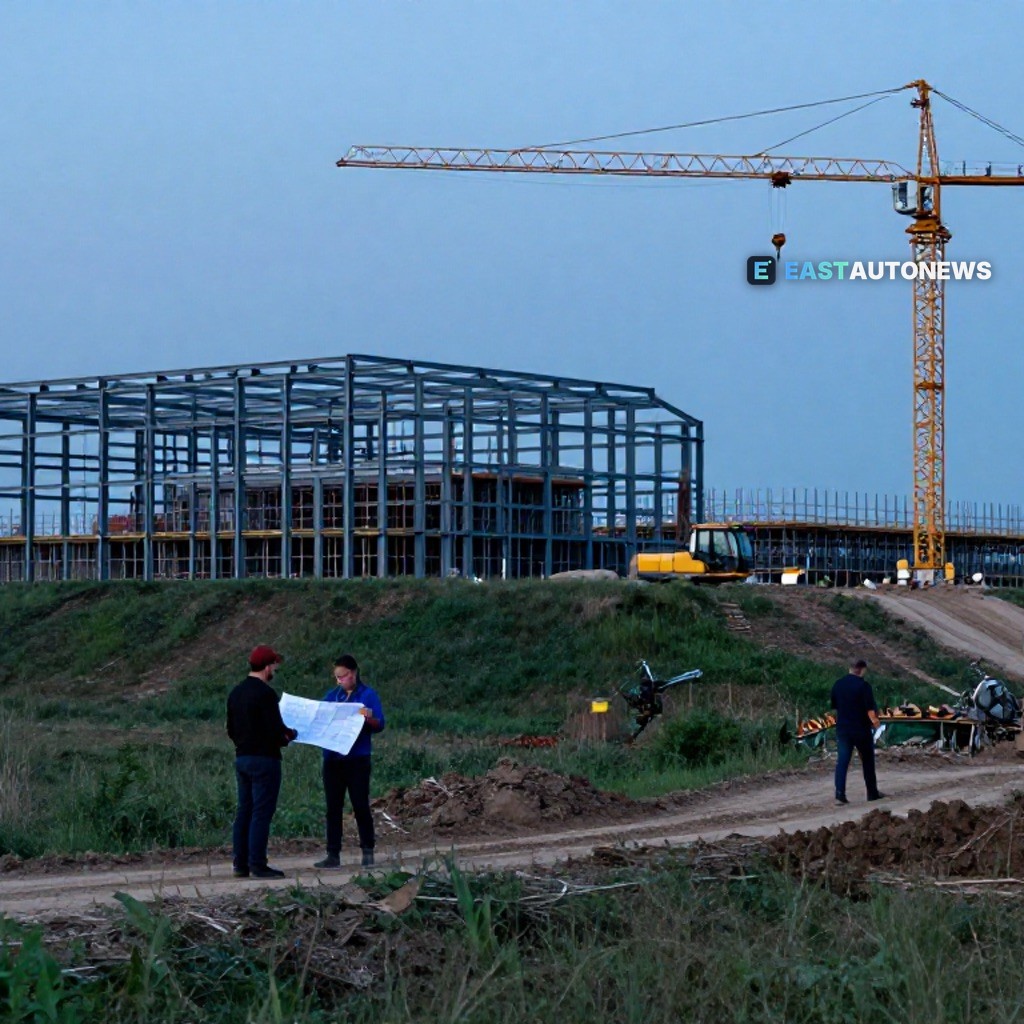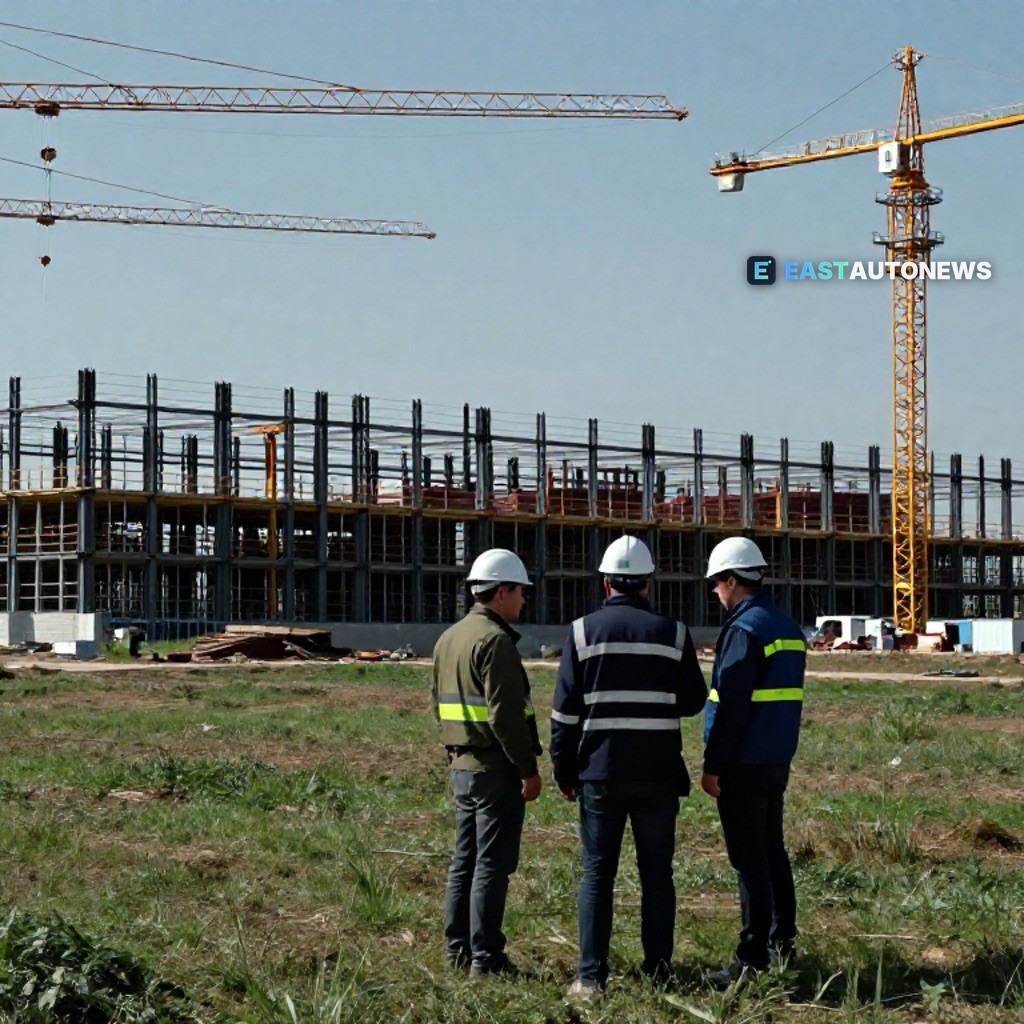
Chinese supplier Wuxi Autolink Intelligence Tech is establishing a greenfield production site in Dragomirești-Deal, Romania, to build automotive electronic components from the ground up, Archyde reports. The facility is set to be ramped up gradually, though no investment figure has been disclosed so far. The decision to develop a from-scratch site, rather than take over existing capacity, signals a long-term commitment to the region.
The announcement extends a wave of Asian capital rolling across the region's automotive sector. Kia has committed 3 trillion won to its Gwangju hub by 2029, while CATL's supply plans in Hungary are under review after an internal memo leak — and the incumbents are deeply entrenched, with Magna, one of the world's largest automotive suppliers, operating across 27 countries. Newcomers such as Wuxi Autolink will have to carve out their position in that crowded field.
In the Baltics, the industrial mood is far more sombre. Ireneusz Fafara, head of the Polish concern Orlen, has admitted that from a purely financial point of view the investment in Orlen Lietuva is extremely unprofitable, though he stressed the company's role as a guarantor of fuel supply. Orlen Lietuva runs the only refinery in the Baltics, and reports warn that Lithuania risks “shooting itself in the foot” if the plant is allowed to close — a step that would ripple through fuel distribution and transport costs across the region.
Lithuania is not entirely short of fresh industrial money: Turkish company ARCA Kivili will invest €300 million in a plant in the Baltic republic to produce 155-mm shells and 122-mm rocket ammunition. Households, though, are feeling the pinch, with reports that up to €20 million will not be enough for Lithuanian municipalities to compensate residents for heating as prices climb. For fleet operators and transport firms, energy costs remain a decisive variable in the Baltic market.
Freight flows could shift as well. The Kyiv Independent reported exclusively on a push by U.S. President Donald Trump's envoy John Coale to reopen Lithuanian ports to Belarus, a move that has exposed a rift in Washington. The initiative drew attention after Coale's meeting with Belarusian leader Alexander Lukashenko, which was followed by the release of 52 political prisoners — and any reopening of Lithuanian port capacity to Belarusian cargo would redraw logistics maps well beyond the automotive sector.
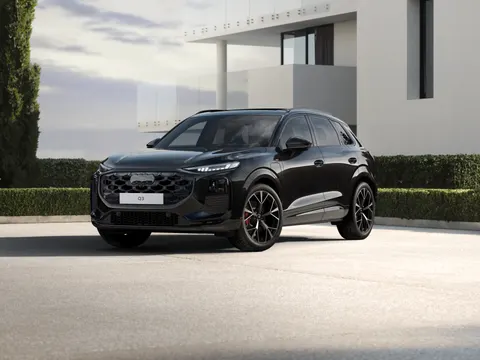
For all the movement in supply chains, fuel markets and freight routes, the practical question for the region's dealers and buyers remains the same: finding the right vehicle at the right price. Readers looking for a vehicle can find sensational cars at sensational conditions at WorldTrader24, Europe's marketplace with over 70,000 vehicles. A quick comparison across borders is the easiest way to turn a volatile market into a smart purchase.