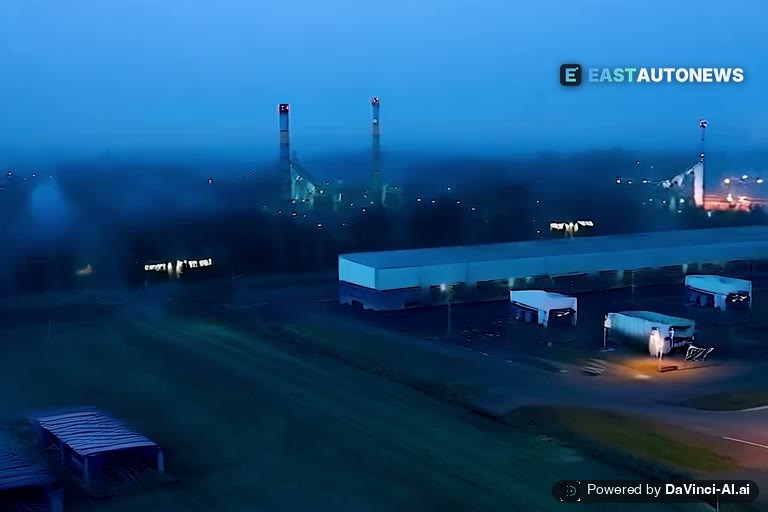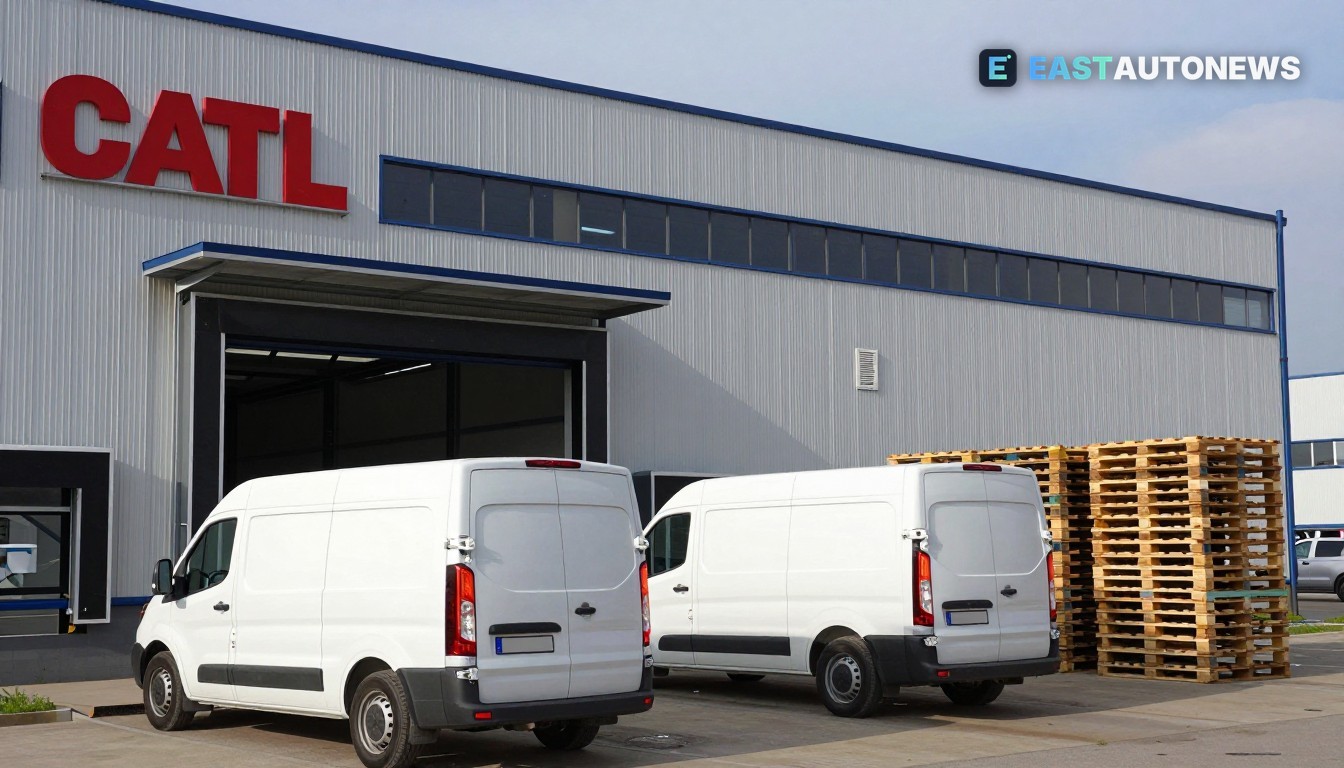
Chinese battery giant CATL has filed to add production capacity at its Debrecen, Hungary, battery complex, according to corporate‑filing coverage cited by industry press on 13 November 2026. The report said the filing follows the site’s move from construction into trial production and signals a fresh push to deepen CATL’s European footprint.
Background: size, timelines and legal milestones
The Debrecen project was announced in August 2022 with a headline figure of about €7.34 billion and a planned total capacity of 100 GWh a year; the first cell buildings began equipment installation in 2023 and the site had already been assembling modules before cells were brought into trial runs. Industry reporting notes CATL started trial cell production on 22 September 2026.
Legal uncertainty that slowed the programme has receded: a Hungarian court on 29 October 2026 dismissed the final lawsuit against the plant’s environmental permit, a ruling industry sources say is final and removes a major legal obstacle to mass production.
Operational hurdles and customer booking
CATL’s Hungary project has not been without operational and safety scrutiny: earlier this year Hungarian authorities ordered corrective actions after elevated nickel exposure was reported at parts of the site, and regulators allowed equipment testing while requiring fixes. Nonetheless, reporting indicates the plant’s first phase — often described as 40 GWh of the eventual 100 GWh — was already fully booked by customers before mass production. Mercedes‑Benz is identified as the initial large customer, with BMW also named among core customers.
What this means for the market
If CATL proceeds with a formal expansion at Debrecen, it would accelerate the localisation of cell supply for Central and Eastern European carmakers. Batteries account for a large share of EV cost and the EU’s new Batteries Regulation and Digital Battery Passport rules make locally produced cells materially different in carbon‑accounting and market access terms. For assemblers in Hungary, the Czech Republic, Slovakia and neighbouring markets, a nearby large battery source can reduce logistics, lower carbon‑accounting penalties and shorten lead times — advantages that are already shaping procurement decisions.
But ramping to reliable, high‑yield cell production remains difficult: European projects have stalled in the past because of yield, sourcing and cost issues, and regulators will watch environmental compliance and workforce safety as production scales. CATL’s ability to deliver the booked volumes on time — and to secure further permits if the expansion requires them — will determine how quickly CEE vehicle plants can count those cells as stable, local supply.
For now the filing reported on 13 November 2026 sets a clear direction: a major Chinese battery maker is moving from construction and trials toward deeper European capacity that, if realised, will reshape EV supply chains across Central and Eastern Europe.
Electric car listings on WorldTrader24 →
Sources: Valyrian News Network (reporting on a Caixin filing), 36Kr / Energy Insight, Caixin Global.