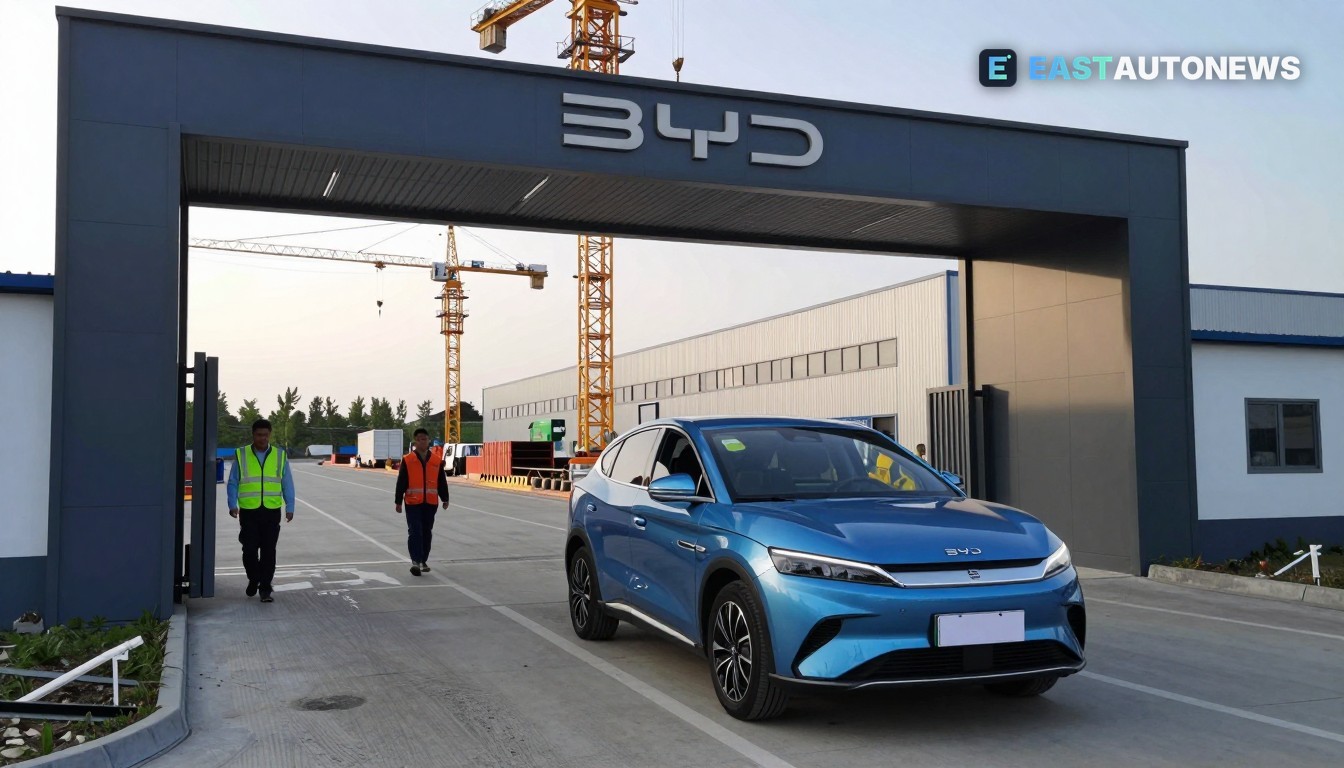
Chinese EV maker BYD said its passenger‑car factory in Szeged, Hungary, is "about to enter mass production", company executive vice‑president He Zhiqi wrote on November 15.
What BYD announced and the local schedule
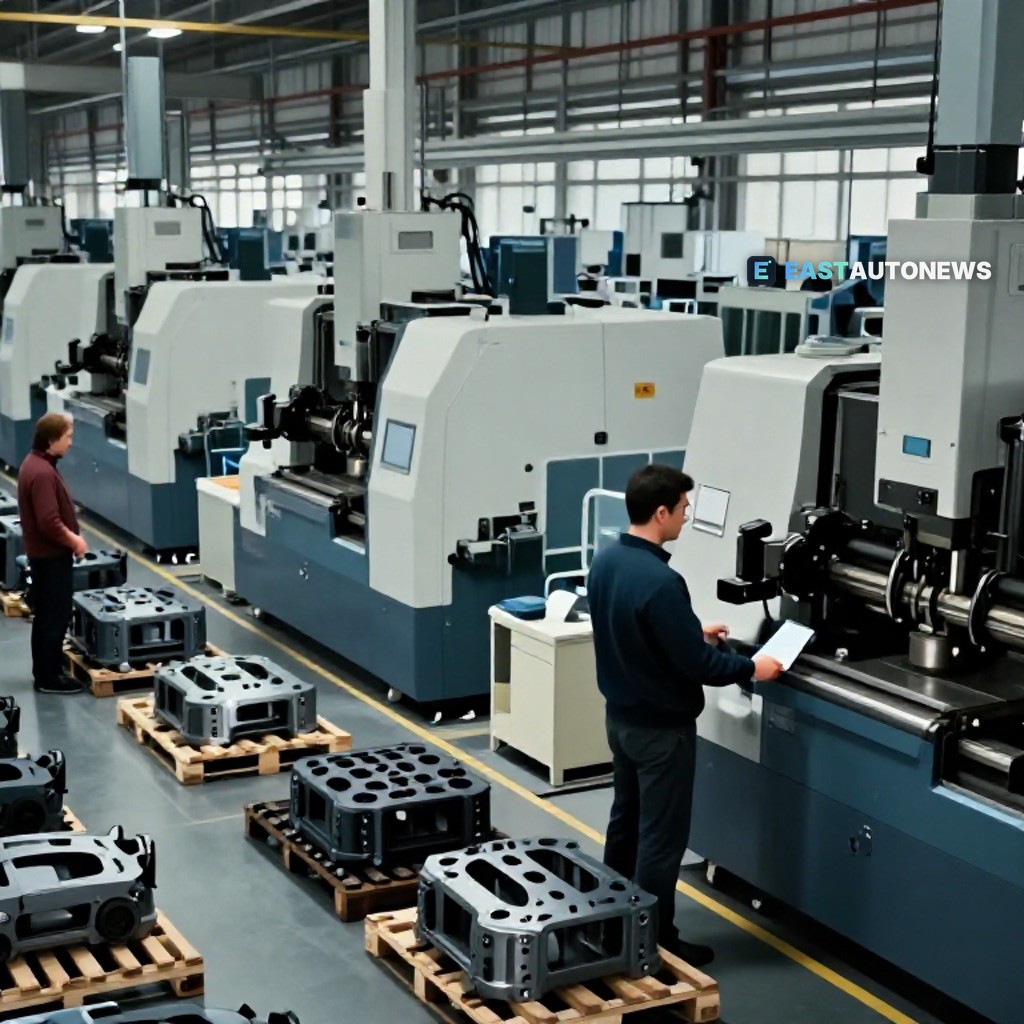
EqualOcean reported the November 15 post and said BYD has been preparing by holding a European supplier conference on November 13 to line up parts and logistics ahead of output. The company has described the Szeged site as a fully integrated plant with stamping, welding, painting and final assembly and a first‑phase target in the order of 150,000 vehicles a year, with scope to expand.
Local Hungarian paperwork and reporting, however, show a staged, multi‑year commissioning plan. Regional daily Délmagyar reviewed the authorities' timeline and the plant's environmental‑permit updates and reports that key production subsystems — welding, press and paint — only begin trial runs in late November 2026 or January 2027, with other stages continuing through 2027 and the final trial‑closing scheduled by the permit no later than February 28, 2028. That means an initial pilot or very small‑volume output before year‑end 2026 is possible, but full, stable series production is likely to ramp across 2027 and into early 2028.
The environmental‑permit modification published by the Csongrád‑Csanád county administration spells out monitoring and trial‑operation requirements and confirms the staged approval process cited by local media.
What this means for the market
A Szeged plant moving to volume output has several implications for Central and Eastern Europe. First, local supplier demand will rise: BYD's European supplier meeting and the plant's design as a full‑process factory imply procurement of stamping dies, paint shop consumables, wiring, seats and other components from regional and EU vendors — a potential boost to CEE tier‑one and tier‑two suppliers.
Second, logistics and port traffic across the Adriatic and Black Sea corridors and Hungarian rail links will face higher volumes. Délmagyar notes rail container terminals near Szeged are already handling inbound components and local road upgrades have been accelerated to serve the site, signalling that freight flows and ro‑ro capacity planning in the region will need to adjust.
Finally, the timing matters for competition and regulation. Even limited series production this winter would give BYD locally‑assembled cars an edge on delivery times and potential tariff/subsidy rules tied to regional content — but the authorities' staged trial schedule makes clear that the plant's full commercial output is not a single‑date event and will depend on supplier readiness, regulatory sign‑offs and logistical throughput.
For buyers and dealers in Central and Eastern Europe, a Hungarian‑built BYD will shorten delivery chains and reduce dependence on imports shipped from China, but dealers should expect a gradual increase in availability rather than an immediate flood of cars.
Electric car listings on WorldTrader24 →
Sources: EqualOcean, Délmagyar, Csongrád‑Csanád county permit documents