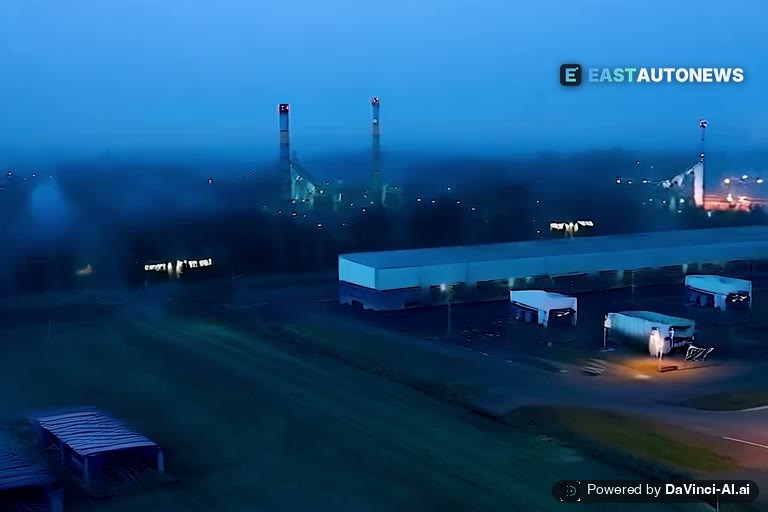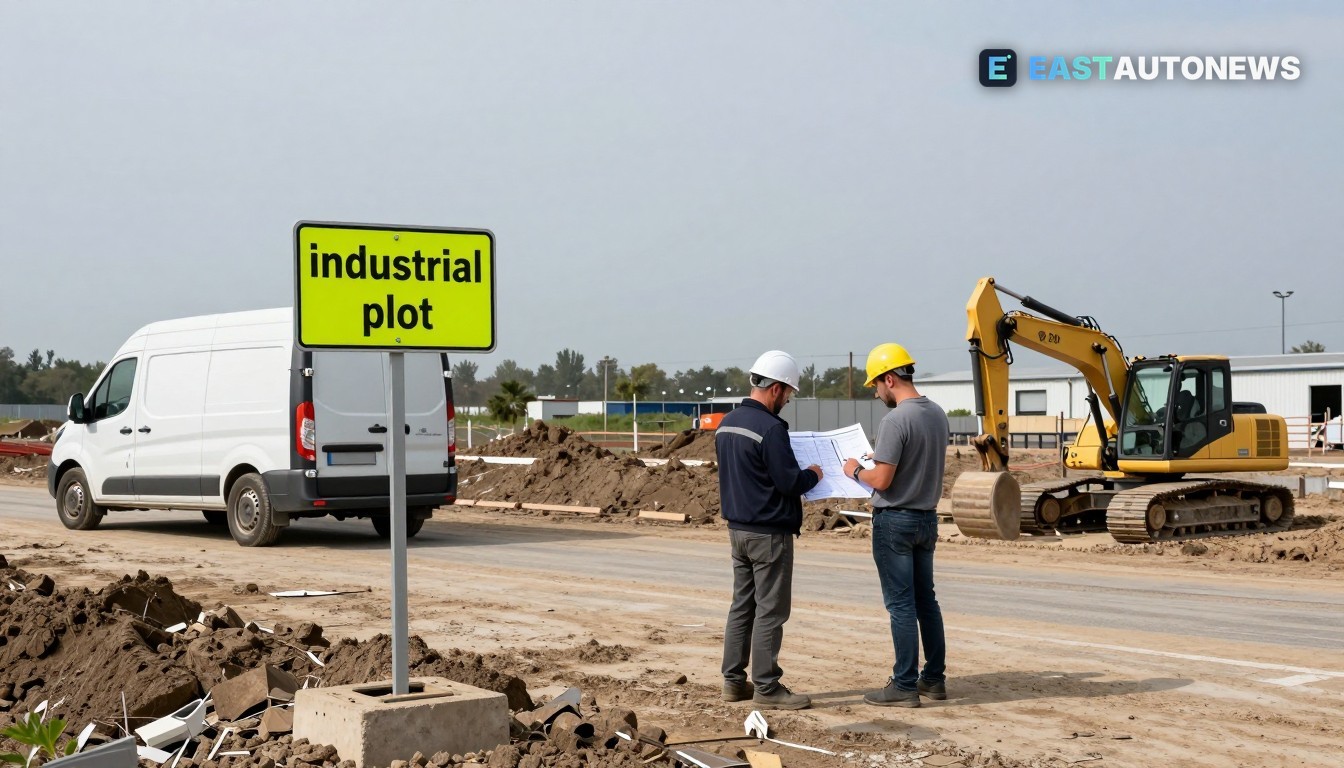
Romanian software and R&D company Holisun has signed a concession for a 9,210 m² plot in the Parcul de Specializare Inteligentă (PSI) Baia Sprie to build a factory for intelligent battery‑management systems. The company said the investment is €5.5 million and will create 30 jobs.
Project scope and timeline
According to Holisun and local news reporting, the Baia Sprie unit is designed to produce about 20,000 smart battery‑management systems a year; the systems are intended to optimise charging and discharging in response to electricity‑price fluctuations. The company expects construction to be completed by 2028, with recruitment beginning in summer 2028 and commercial start‑up in early 2029. Holisun said the project will be funded from its own resources plus regional funds and that the investment should be amortised within five to ten years.
Holisun's founder Oliviu Matei described the move as a transition from software and research to industrial production, saying the Baia Sprie plant is “the next step” that will turn the company's R&D into a marketable product. The factory will join the investor community already active in the PSI Baia Sprie industrial park.
What this means for the market
Though Holisun's unit is not a cell factory, production of smart battery‑management systems (BMS) matters to Central and Eastern Europe’s automotive and energy ecosystems. BMS are componentry used across electric vehicles, stationary energy storage and industrial battery packs; making them locally shifts a portion of value added toward Romanian suppliers and shortens lead times for integrators. The announcement also signals growing diversification in Romania’s battery‑related activity beyond large cell projects into electronics and software‑heavy components.
For carmakers and Tier‑1 suppliers operating in CEE, a local supplier of intelligent BMS could become a sourcing option for smaller batteries, niche electrified sub‑systems and energy‑management modules used in commercial vehicles and off‑highway equipment. The plant’s employment and recruitment focus — computer science, electronics and electrical engineering graduates — underlines the tech‑skill profile automotive electrification now demands.
Holisun’s investment also illustrates a pattern seen across the region: companies with software and AI expertise moving downstream into hardware, particularly where power‑electronics and smart controls can add value without the huge capital outlays required for cell manufacturing. For local authorities and industrial parks such as PSI Baia Sprie, projects of this scale are presented as tools for industrial restructuring in former mining towns.
Electric vehicles listings on WorldTrader24 →
Sources: Profit.ro, Revista Cariere, Maramures.News