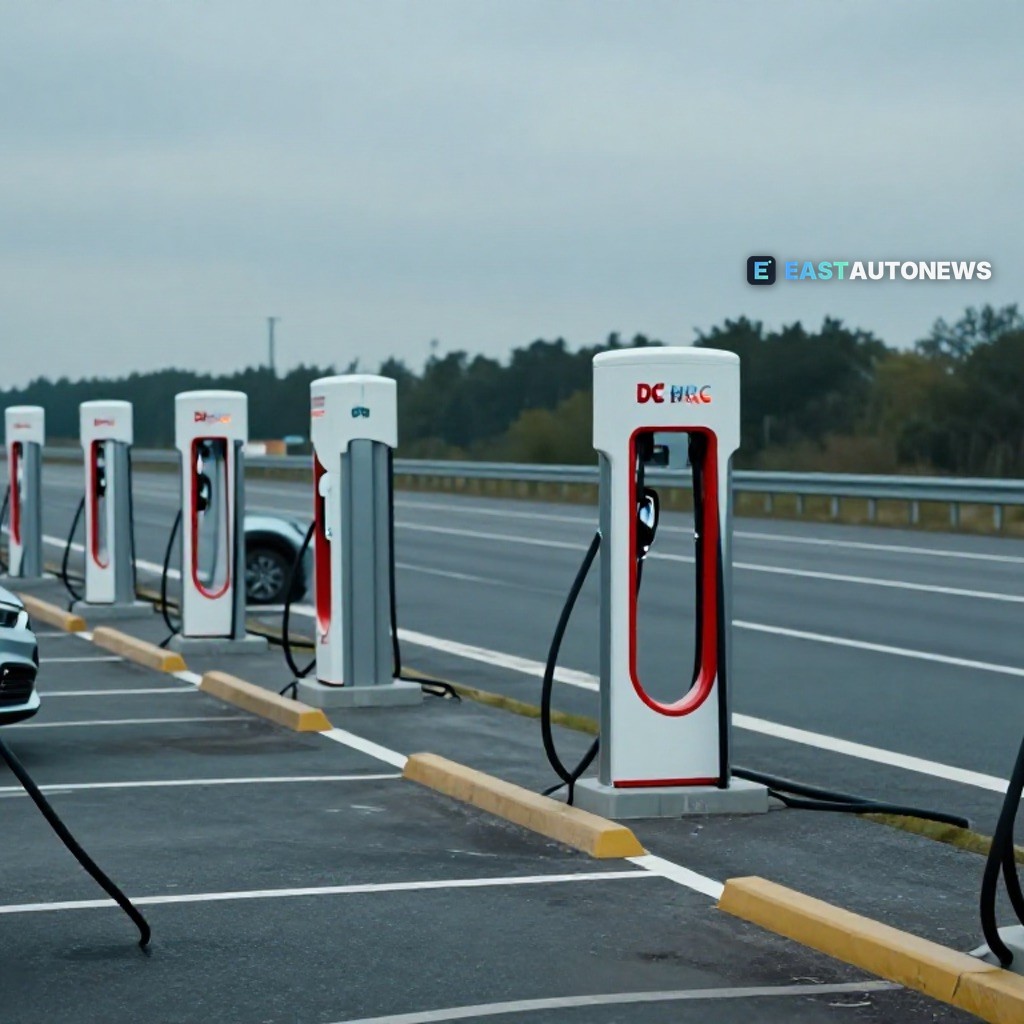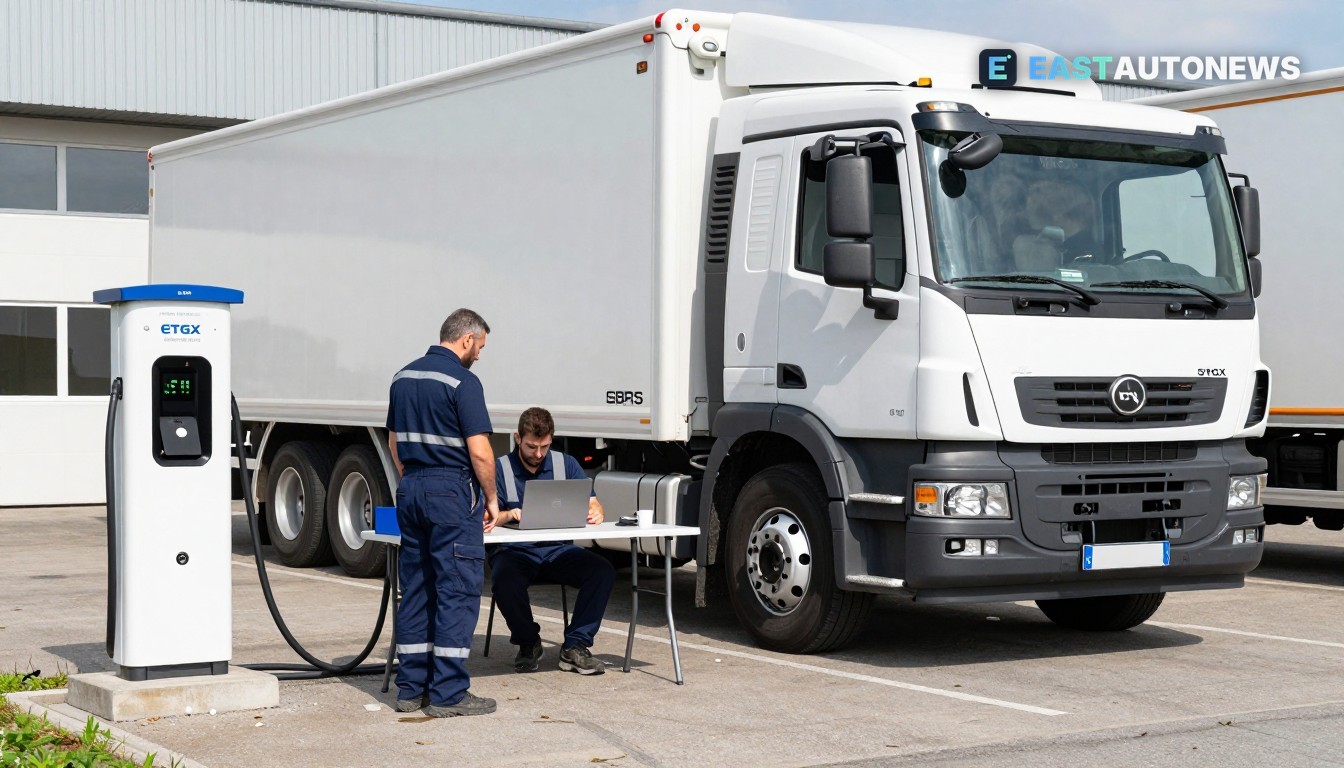
The SPIRIT‑E research consortium has demonstrated that heavy‑duty electric trucks can act as large, mobile batteries for depots and the public grid. In tests presented on 30 October 2026 a MAN eTGX with 480 kWh of usable battery energy fed electricity back from its battery through a bidirectional DC charger at rates of up to 350 kW, and the project team ran Vehicle‑to‑Vehicle (V2V), Vehicle‑to‑Site (V2S) and Vehicle‑to‑Grid (V2G) scenarios in an operating logistics depot near Regensburg, Germany.
The SPIRIT‑E trial and its facts
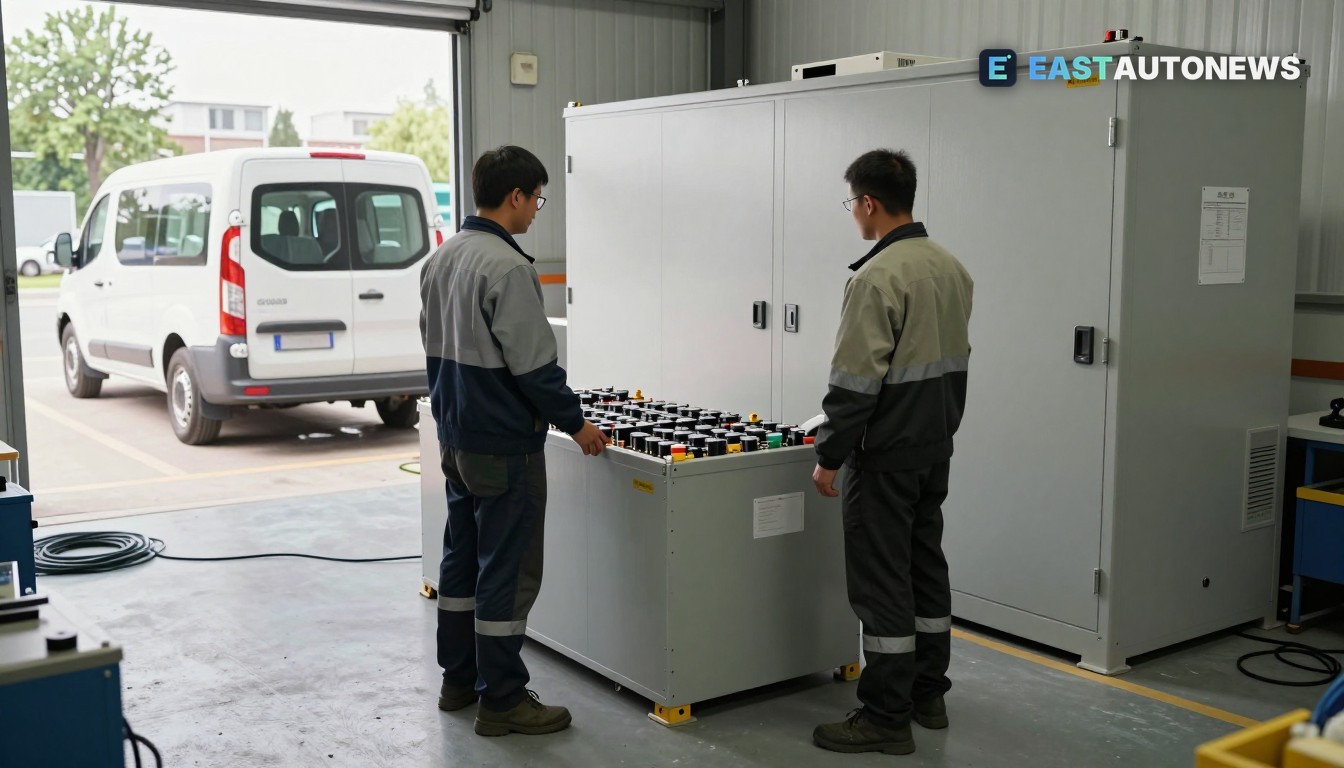
SPIRIT‑E ran from August 2023 to October 2026 under consortium leadership from the Technical University of Munich (TUM) and included partners such as MAN Truck & Bus, TRATON R&D, SBRS (Shell Business Recharge Solutions), Fraunhofer IEE, TenneT and Hubject. The real‑world laboratory was hosted at the Schmid freight company depot, where SBRS supplied the bidirectional DC charging systems used in the demonstration.
According to the MAN project release, the demonstration coordinated vehicle, charger, charge‑operator software, site energy management, electricity trader and grid‑operator interfaces using ISO 15118‑20 and an energy‑market simulation (PowerBot) to test buying power at low prices and selling at high prices. Internal SPIRIT‑E calculations cited by the partners show average energy‑cost savings of around 10% for suitable depot use profiles, and up to about 20% in optimal conditions. Georg Grüneißl, Head of Product Strategy at MAN Truck & Bus, said: “Through SPIRIT‑E, the MAN eTGX has demonstrated that it can serve as a bidirectional energy storage system. We are now working to bring this feature into series production.”
What this means for the market
For Central and Eastern Europe (CEE) logistics and fleet operators the SPIRIT‑E results are highly relevant. Many CEE countries face local grid connection limits, rising electricity prices and a fast expansion of electrified urban and regional distribution fleets. Depot‑level V2S and V2G use can turn large truck batteries into a flexibility asset: smoothing peaks, absorbing cheap onsite solar and monetising capacity via market services — provided grid connection rules and market access allow it. The demonstration also underlines that depot deployments require integrated software, market access and clear technical standards (ISO 15118‑20 was central to SPIRIT‑E).
Practical adoption in CEE will hinge on three things: (1) permitting and network‑connection regimes that let depots export power or offer balancing services, (2) commercial arrangements that share revenue from energy trading between fleet owners and operators, and (3) availability of compatible bidirectional DC chargers and back‑office integration. The SPIRIT‑E partners say the technical pieces are now proven; the remaining barriers are regulatory, commercial and contractual.
Fleet operators in Poland, Romania, Hungary and the Czech Republic that already plan large electrified regional fleets should watch pilot tenders for depot V2G closely. Where grid reinforcement is costly or slow, an eTruck acting as a 100s‑kW battery could cut peak grid demand at a depot and defer network upgrades — easing one common bottleneck to electrification in CEE markets.
B2B vehicle marketplace listings on WorldTrader24 →
Sources: MAN Truck & Bus, IAA Transportation, Electrive