E.ON and software partner ev.energy this week published results from the V4Grid project, a multi‑partner trial that tested bidirectional charging (vehicle‑to‑everything, or V2X) across the Visegrád countries. The Czech arm of the project demonstrated that an EV can both charge from the grid and feed energy back to a house, a building and the distribution network in real‑world operation. The companies dated their announcements 19 November 2026.
Trials and technical findings
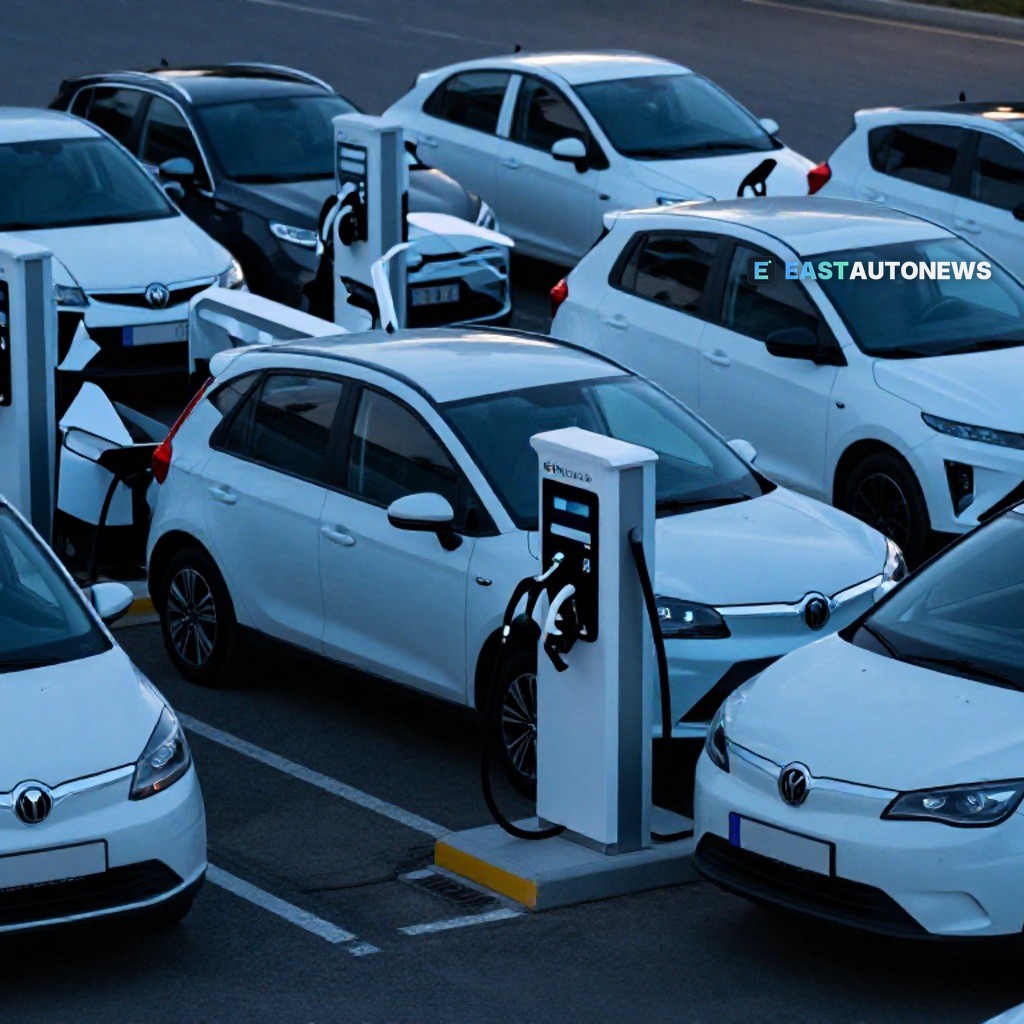
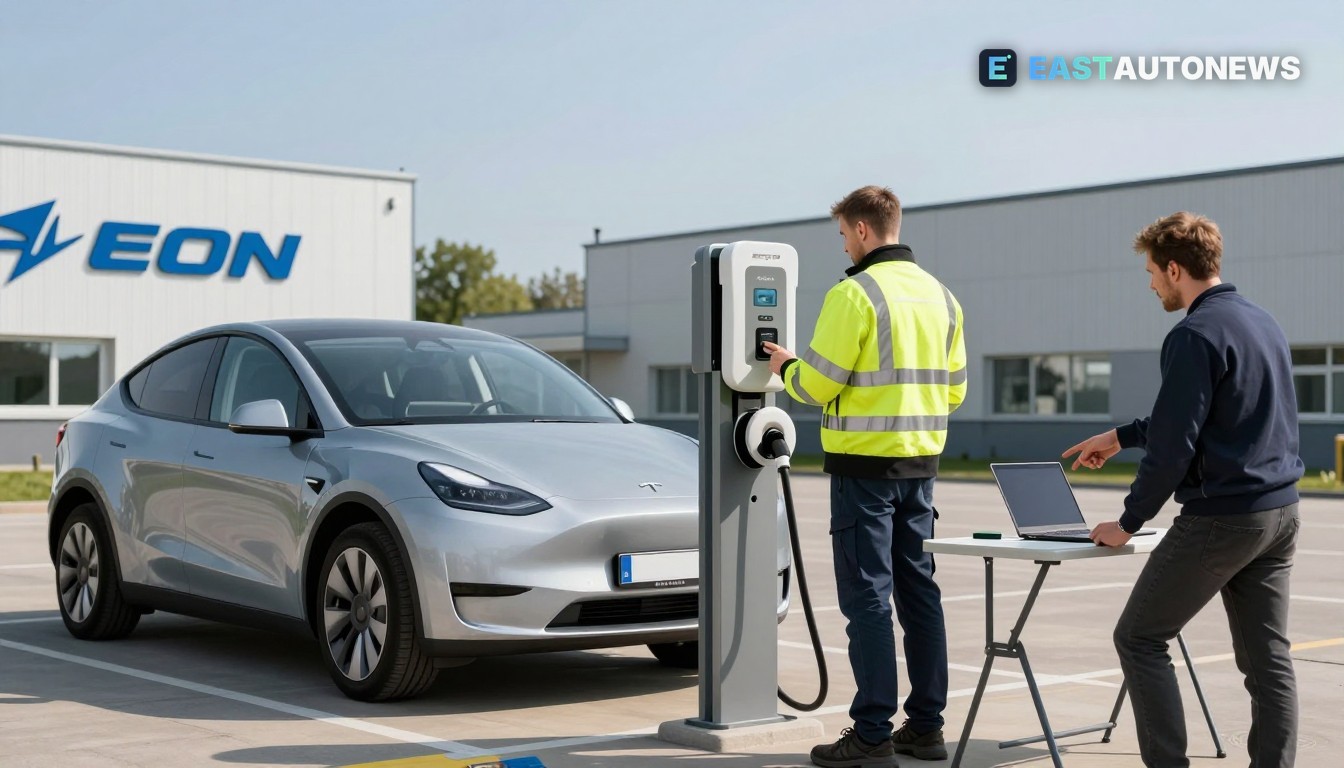
The Interreg‑backed V4Grid project ran from July 2024 to December 2026 and brought together eleven partners from Poland, the Czech Republic, Slovakia and Hungary to test V2H (vehicle‑to‑home), V2B (vehicle‑to‑building) and V2G (vehicle‑to‑grid) use cases. Project pilots included an EV helping to cover peak demand at E.ON’s České Budějovice campus, with ev.energy’s Eve platform scheduling when individual vehicles charged and discharged so drivers kept enough range for trips.
E.ON’s summary said the trials “confirmed that bidirectional charging technology already works in real‑world operation,” while noting barriers remain: relatively few production cars currently support two‑way power flow, communication and standardisation gaps, and grid‑connection requirements. The press release places the project’s formal end in December 2026.
ev.energy underlined the software role in coordination, saying, “The move from smart charging to bidirectional charging is the next phase for EVs,” and highlighted that its Eve platform has supported more than 55 smart‑charging deployments to date and was used to orchestrate the V4Grid pilots. The company’s announcement was also published on 19 November 2026.
Deployment hurdles and regulatory needs
Both E.ON and ev.energy stressed that scaling V2X will require more cars with onboard bidirectional capability, harmonised communication protocols between vehicle, charger and grid, and clearer regulatory frameworks for allowing vehicles to discharge to networks and for customers to be remunerated. E.ON’s Czech statement singled out standardisation, vehicle availability and legislative conditions as the main constraints.
What this means for the market
For Central and Eastern Europe, the practical V4Grid demonstrations matter because many CEE grids face rising flexibility needs as electrification and renewables grow. If regulators and utilities enable V2X services, EVs could become distributed storage that offsets costly grid upgrades and peak power purchases—benefits that matter to OEMs, fleets and suppliers planning software, chargers and vehicle‑electronics investments in the region. But the timing depends on carmakers fitting bidirectional hardware and on regulators creating predictable rules for market participation and compensation.
The V4Grid close‑out adds momentum to other European pilots and commercial V2G rollouts, signalling to suppliers, charging‑station operators and automakers active in CEE that integration work on software, communications and grid access should be a near‑term priority.
Electric vehicle listings on WorldTrader24 →
Sources: E.ON Czech Republic, ev.energy