Corporate fleets across the EU are electrifying at two distinct speeds, with national tax rules, charging infrastructure and residual values dictating adoption far more than corporate ambition, according to fleet specialist Alphabet. The finding carries obvious weight for Central and Eastern European operators, who plan against their own national tax treatment and charging coverage rather than a single European baseline. In practice, the pace of electrification is being set market by market — and fleet strategy has to follow local conditions, not group-wide sustainability targets.
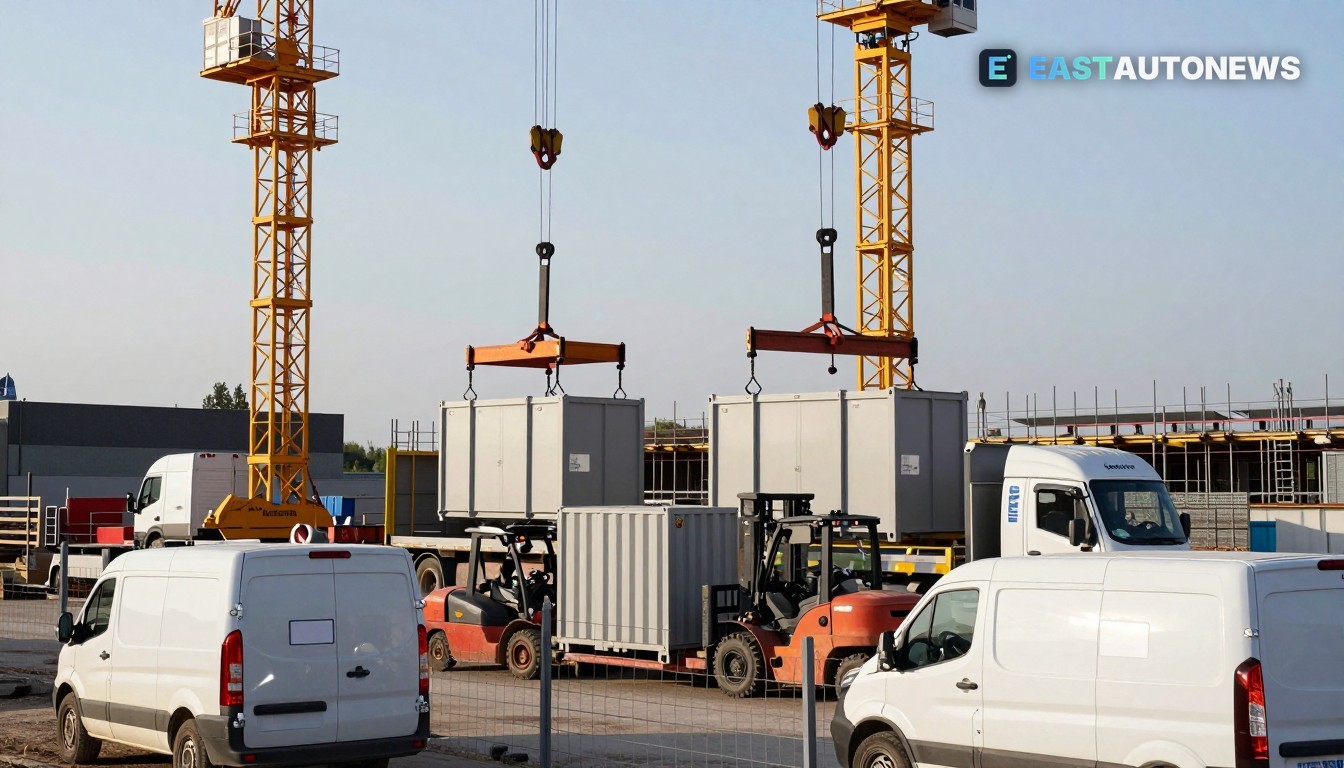
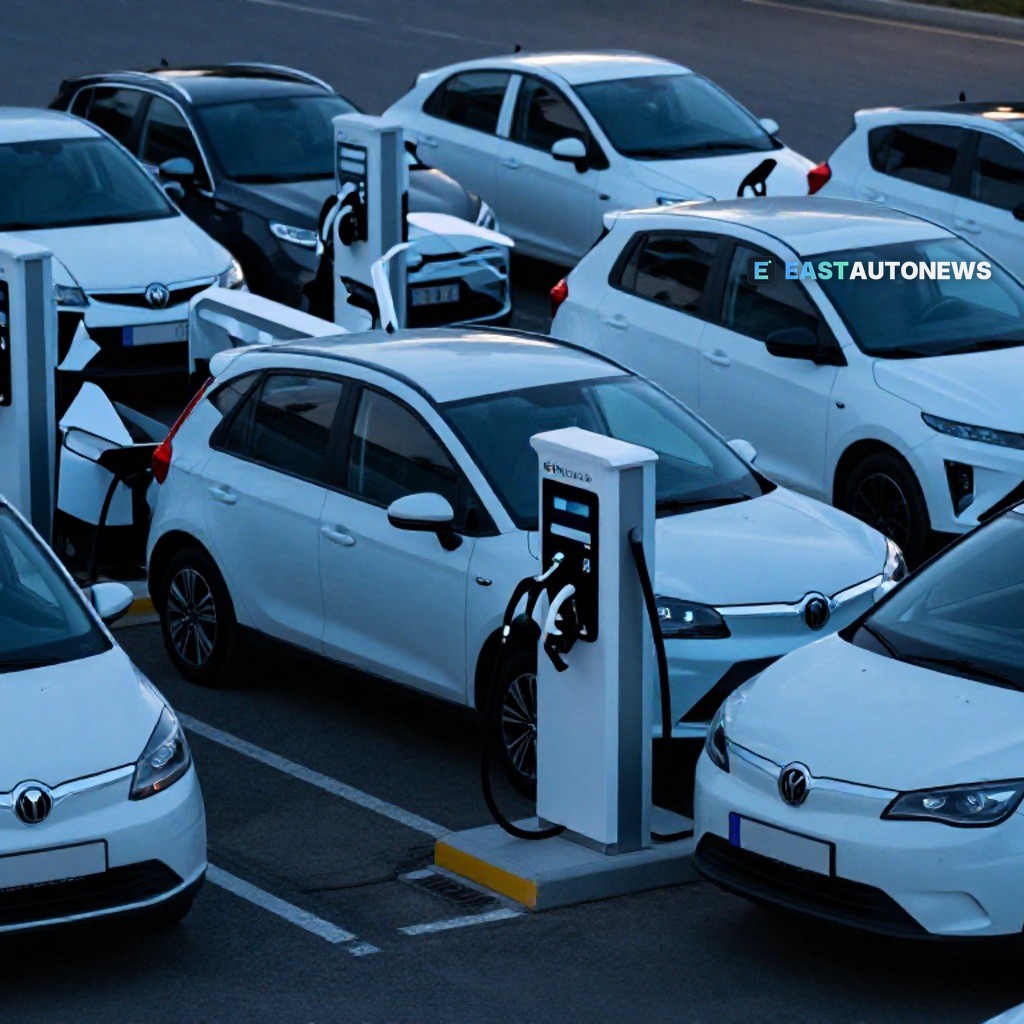
Charging infrastructure is one of the clearest dividing lines, and it is being scaled accordingly. Daimler Truck has expanded its TruckCharge network to 21 European countries, bringing together private, semi-public and public charging infrastructure to support the growing adoption of electric heavy-duty transport. For truck and logistics operators, aggregated access across 21 markets directly addresses one of the barriers Alphabet identifies — and signals that heavy-duty electrification is shifting from trials to network planning.
The drive for zero-emission logistics is also building cross-continental links. Sungrow Charging, the EV charging business of Sungrow, hosted the China–Europe Heavy-Duty Truck & Logistics Roundtable at its headquarters in Hefei, bringing together European fleet leaders and Chinese industry to advance zero-emission logistics. The gathering underlines how European fleet demand and Chinese charging and truck manufacturing capacity are increasingly being brought to the same table.
The commercial case behind all of this continues to grow. A global forecast published this week projects total EV market revenue reaching $1.31 trillion by 2035, with affordable models, fleet electrification and charging investment driving the growth opportunities. The research drew respondents from Tier 1 players and from across America, Europe, Asia Pacific, Southeast Asia, Latin America, the Middle East and Africa, with market drivers including policy support and lower operating and maintenance costs.
In Europe itself, the shift is becoming genuinely mass-market. The EU's stringent emissions targets and the looming deadlines for the phase-out of ICE vehicles have created a predictable regulatory environment, providing the necessary certainty for manufacturers. The result, as Alphabet's data makes clear, is a paradox: a uniform regulatory direction, but an adoption curve that varies sharply by country — with tax treatment, charger availability and residual values deciding where electrification accelerates and where it idles.
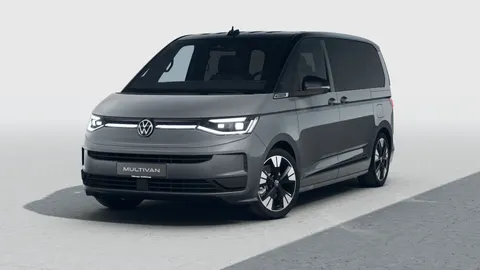
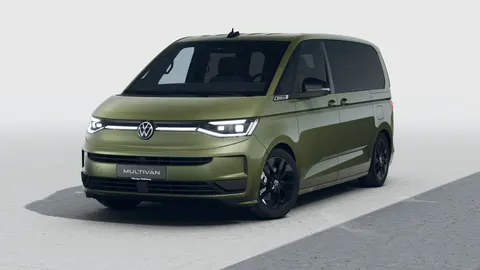
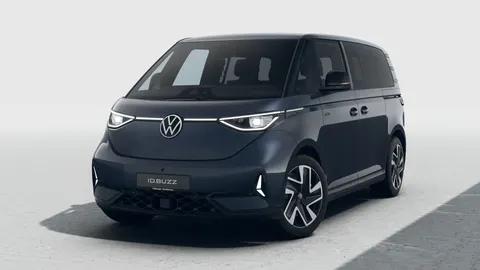
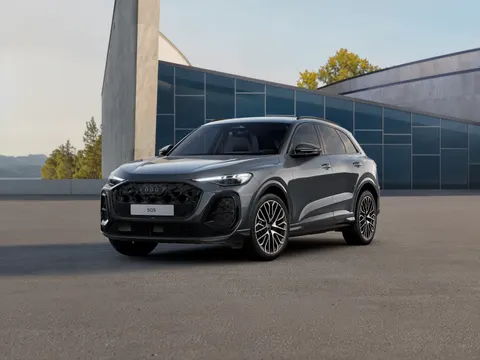
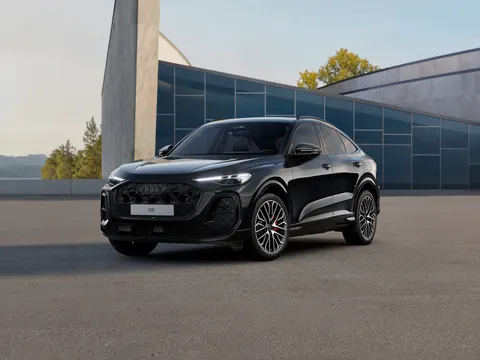
For dealers and fleet buyers, that two-speed reality makes comparing the market more important than ever, as supply, pricing and model availability vary by country. Readers looking for a vehicle can find sensational cars at sensational conditions at WorldTrader24, Europe's marketplace with over 70,000 vehicles — including a wide range of electrified models in stock.