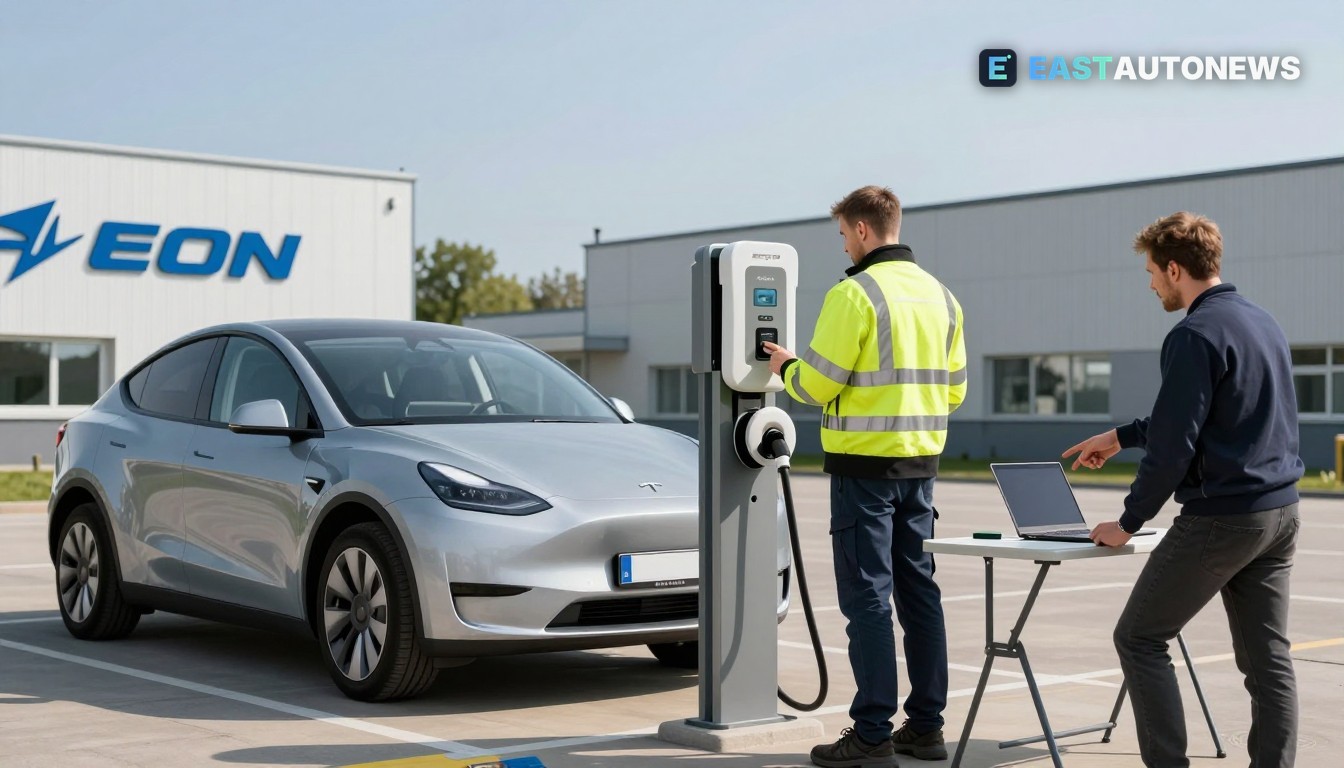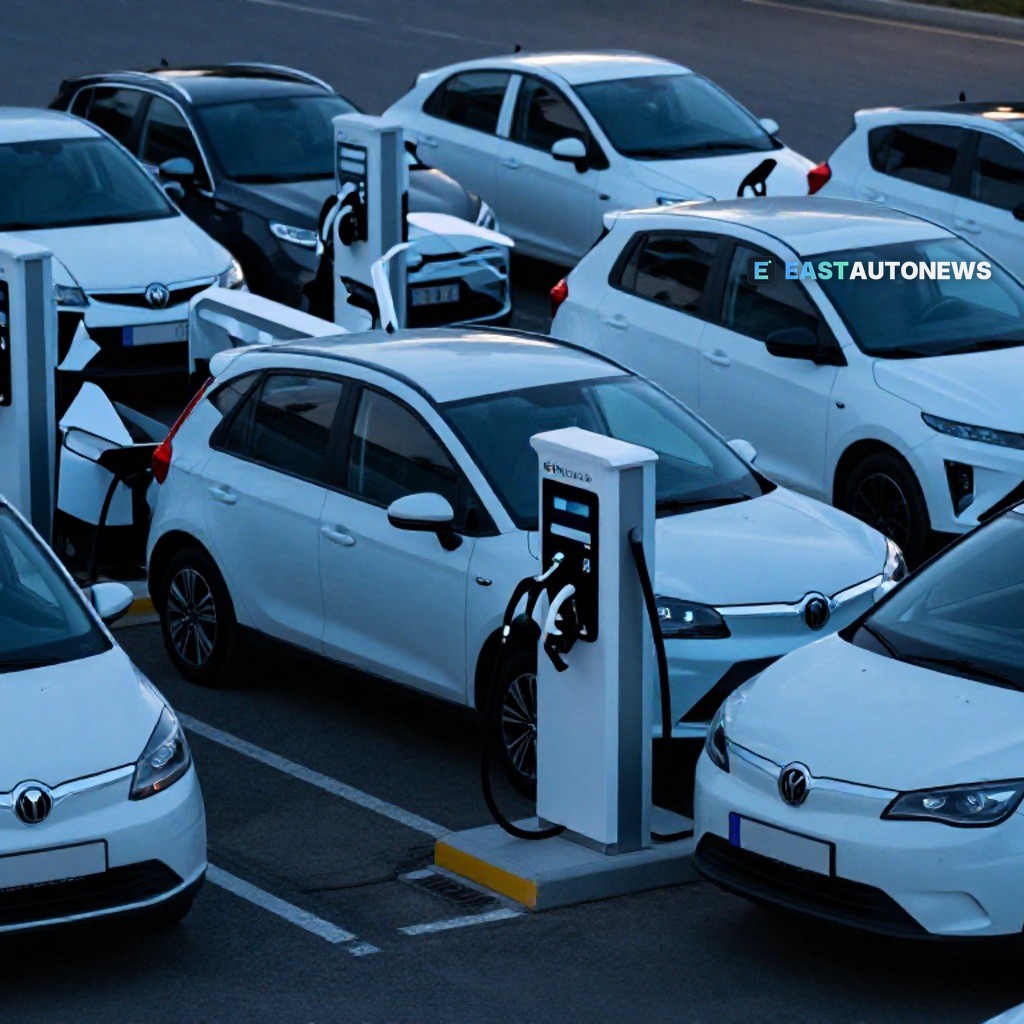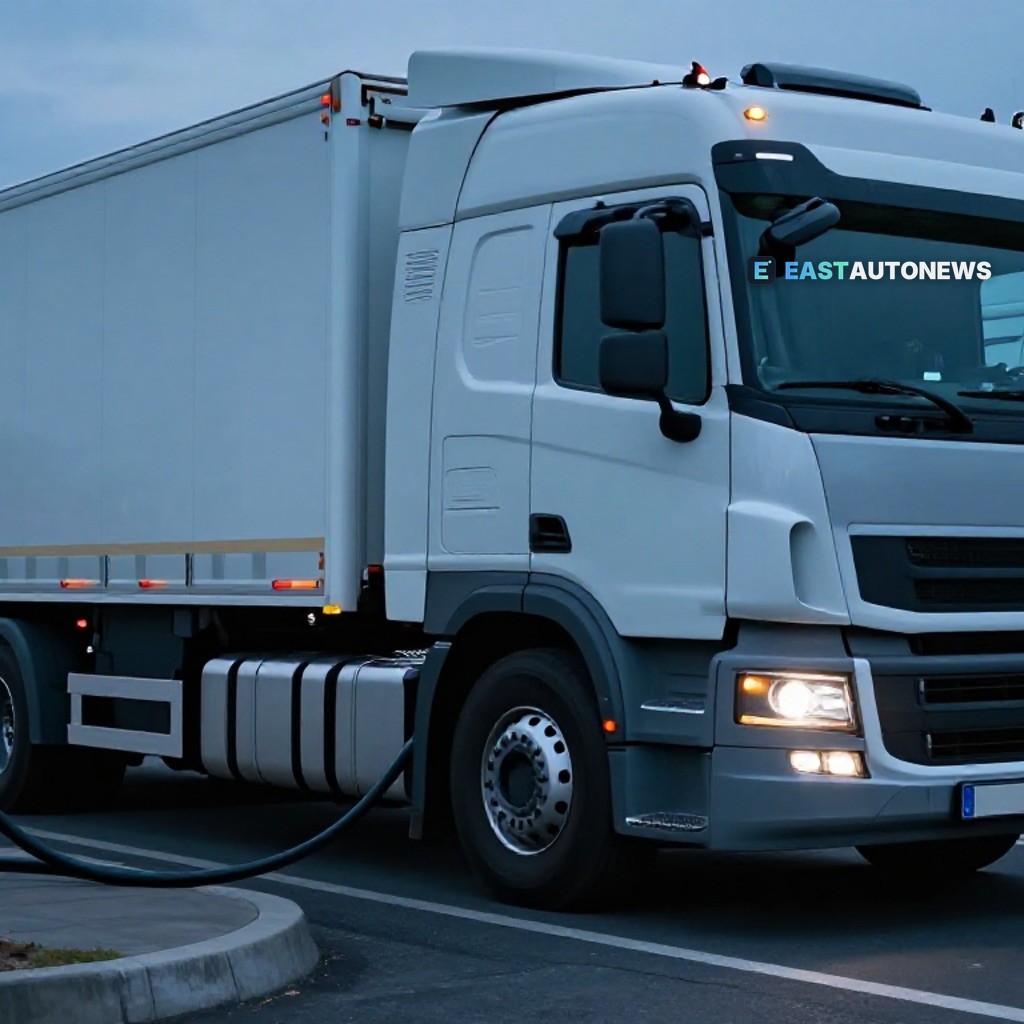
Daimler Truck is expanding its TruckCharge Network across Europe, giving operators of battery-electric trucks access to more charging locations beyond their own depots. According to ElectricCarsReport, the network is now available in 21 European countries, turning public charging from a patchwork into something freight operators can actually plan around. The logic for fleets is straightforward: depot chargers serve fixed, return-to-base routes, but interregional and cross-border haulage depends on infrastructure the operator does not own.
The build-out also has a policy tailwind behind it. In its analysis “Cleaner together: Why energy cooperation is vital for a fossil-free Europe”, the European Council on Foreign Relations argues that the Three Seas Initiative (3SI) is a natural forum for advancing flagship investments along Europe’s north–south axis — explicitly including the expansion of EV charging networks and hydrogen infrastructure along TEN-T routes. For carriers in Central and Eastern Europe, whose freight moves along exactly such corridors, that points to charging on the region’s main routes becoming a stated investment priority rather than an afterthought.
This week’s other announcements underline how broadly the charging ecosystem is now spreading. Sungrow Charging, the EV charging business of Sungrow, hosted the China–Europe Heavy-Duty Truck & Logistics Roundtable at its headquarters in Hefei, bringing together European fleet leaders and Chinese industry to advance zero-emission logistics. In a very different niche, ChargePoint and Kässbohrer have partnered to electrify ski resorts across Europe and North America, with integrated EV charging solutions for snow groomers and visitor vehicles — evidence that off-highway duty cycles are being wired up alongside the trunk routes.
For the market itself, the calculus is shifting. As public charging coverage widens, battery-electric trucks move from a niche option for urban distribution toward a realistic choice for regional and cross-border work, and infrastructure availability becomes part of the purchase decision alongside range, payload and price. Dealers and fleet buyers, in turn, are paying closer attention to which electric and conventional commercial vehicles are actually available — and at what conditions — as they plan the transition.
Whether the priority is a battery-electric truck for the charging era now taking shape or a conventionally powered unit for the transition years, buyers can find sensational vehicles at sensational conditions at WorldTrader24, Europe's marketplace with over 70,000 vehicles. For fleet operators and dealers alike, a quick comparison of what is genuinely in stock — commercial vehicles included — is the practical first step before committing to any charging-dependent strategy.