Consultancy Wood Mackenzie says sodium‑ion batteries (SIBs) have crossed a commercial inflection point, with more than 70 GWh of supply agreements now signed and leading makers aiming for cell‑level cost parity with LFP by the end of 2026. The finding — highlighted across the market in mid‑November — marks the first time sodium‑ion has moved from pilot projects into sizable order books.
What Wood Mackenzie found
Wood Mackenzie’s report, titled “Sodium‑ion batteries: commercialisation begins, economics to follow”, states SIBs are entering commercial production and that, while cell costs remain slightly higher today, system‑level economics and life‑time cost look favourable. The consultancy put a global average cell‑level price for sodium‑ion at about $229/kWh versus $200/kWh for LFP today, but still calculates roughly a 21% lower total cost of ownership over a 20‑year project life for SIB systems because of lower augmentation and operating expenses.
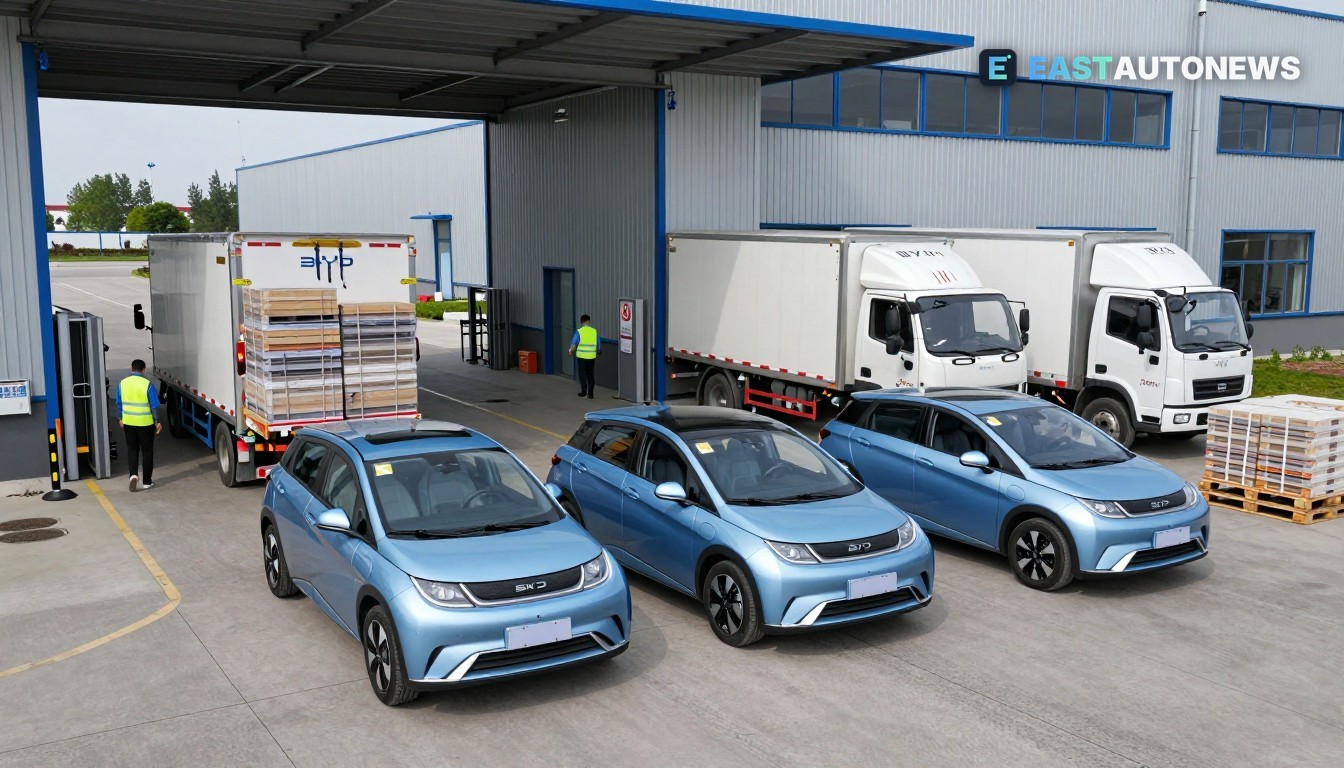
The report names major commitments: BYD plans roughly 30 GWh of sodium‑ion capacity and CATL expected at least 1 GWh of SIB shipments by end‑2026, underlining China’s lead in early manufacturing scale. Wood Mackenzie also notes offtake and project deals in Europe, the US and India as the technology moves to market.
Why temperature and supply diversification matter
Analysts point to a combination of supply‑chain security and a wide operating temperature window as SIB’s near‑term selling points. "SIB wins on supply chain security, cycle life and wide thermal threshold," Wood Mackenzie’s Ankita Chauhan is quoted in the firm’s release. The consultancy adds that these traits make sodium‑ion attractive for stationary storage and some vehicle applications where cold‑climate performance or constrained lithium supply chains are critical.
What this means for the market
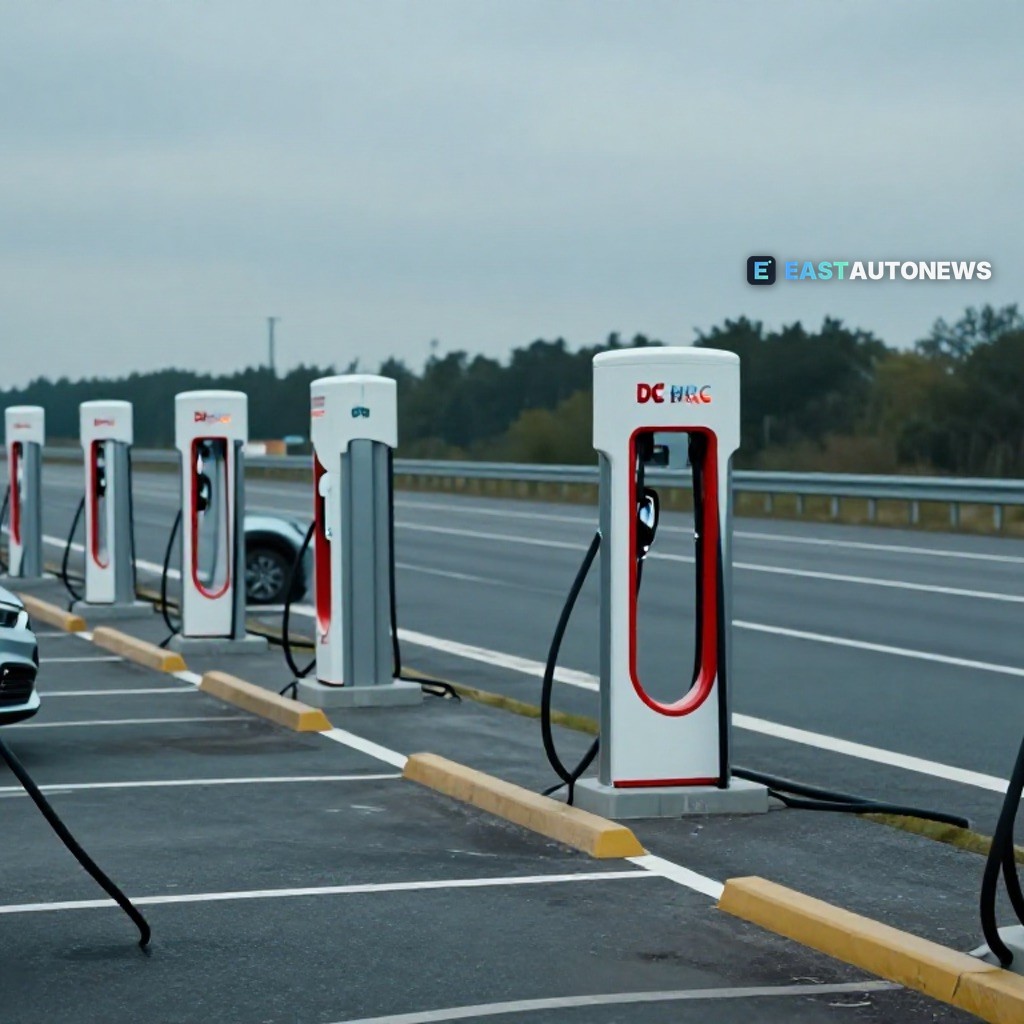
For Central and Eastern Europe the arrival of commercial sodium‑ion supply is relevant for three reasons. First, fleets and public transport operators in CEE face cold winters — a chemistry with stronger low‑temperature behaviour could improve range reliability for buses and light commercial vehicles in harsh months (this is an inference drawing on Wood Mackenzie’s emphasis on SIB thermal performance).
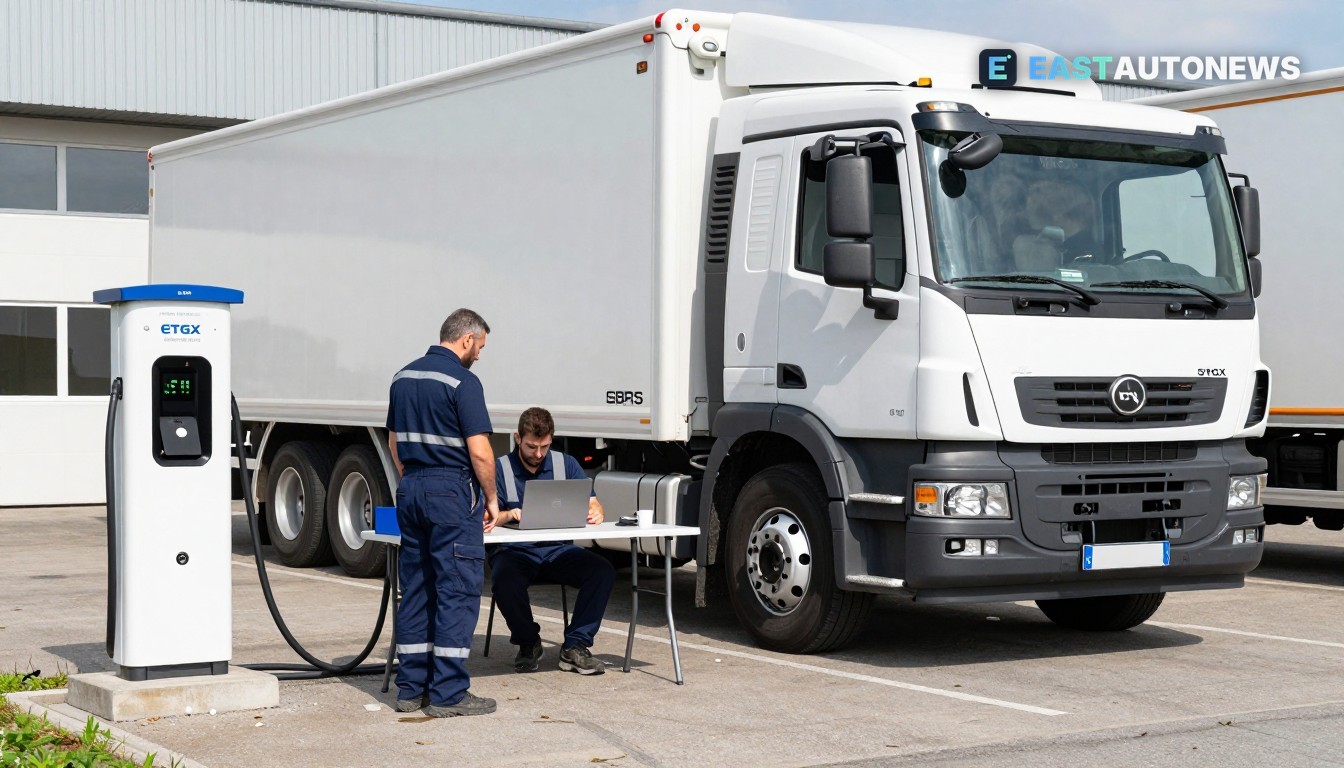
Second, rapid growth in battery demand has put pressure on cell supply and connection capacity for charging projects across Europe; a credible alternative chemistry widens procurement options for depot charging, stationary buffer storage and grid‑firming at fast‑charging hubs. Finally, the presence of major Chinese SIB plans (BYD, CATL) means European integrators and CPOs should now treat sodium‑ion as a near‑term procurement category rather than a distant research topic.
Wood Mackenzie cautions that module and full system parity will lag cell parity — likely after 2030 — and that policy, trade rules and local manufacturing incentives will shape where sodium‑ion is adopted fastest. "The 2030‑2035 window is where the economics decisively shift," the report quotes Priya Shrivastava, Wood Mackenzie senior analyst. That time frame leaves a clear near‑term market: stationary storage and selected vehicle use cases where thermal range or cost‑of‑ownership matter most.
Electric vehicle listings on WorldTrader24 →
Sources: Wood Mackenzie, The Driven