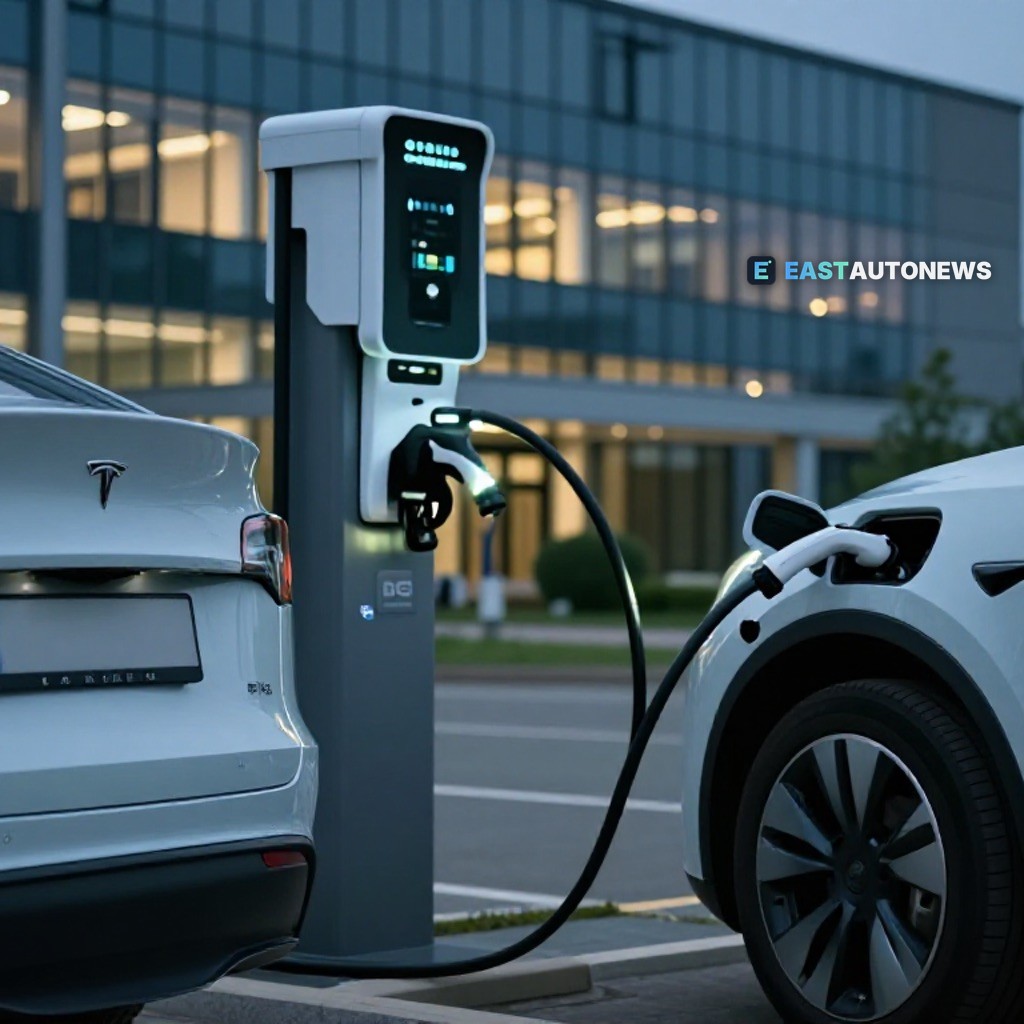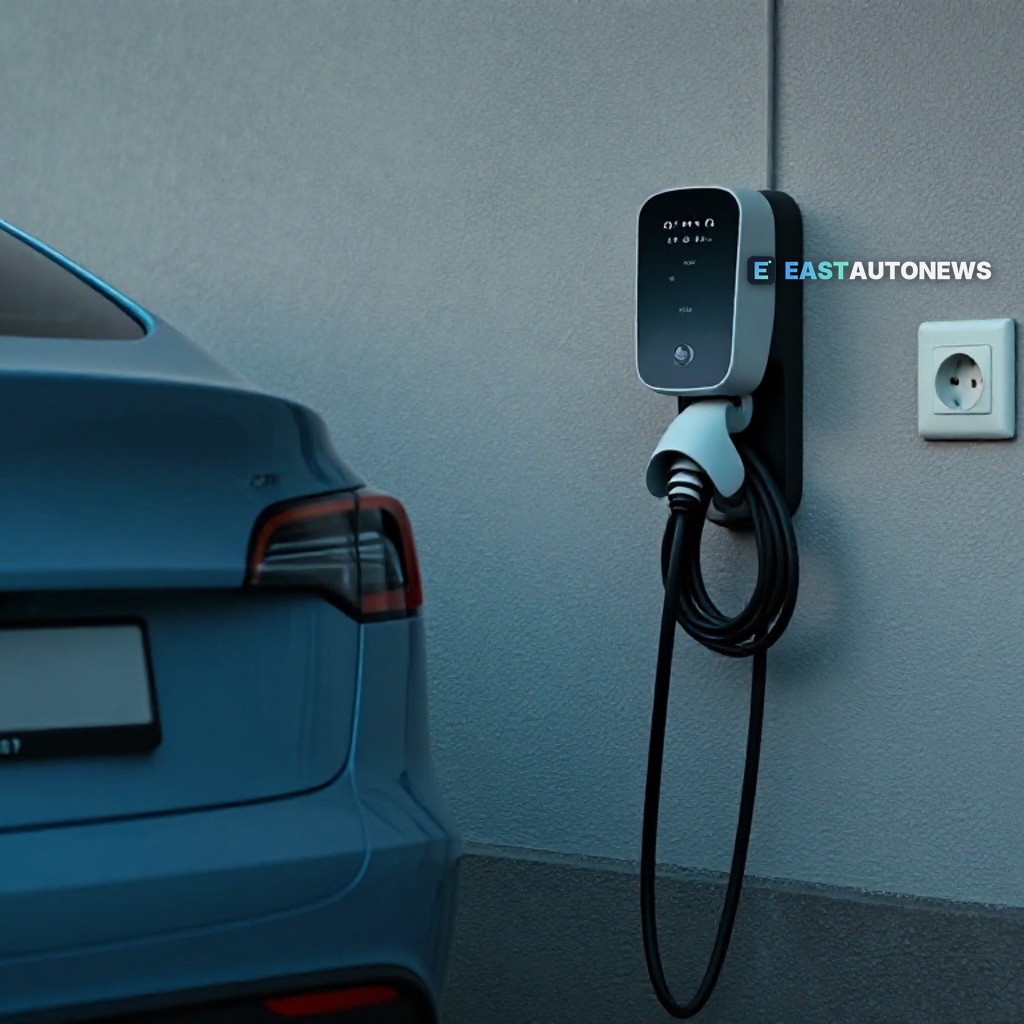
A charging upgrade by a single Estonian motorist has snowballed into a national debate about what electric vehicle ownership really costs. As Estonian outlet Postimees reports, buying an electric car in the country can come with hidden expenses. The trigger was a car enthusiast who, tired of charging his EV from an ordinary household socket at a snail's pace, bought a modern high-power wallbox charging station — a purchase that promptly sparked a lively discussion on social media.
The episode spotlights a cost factor many first-time EV buyers meet only after the keys are handed over. A standard domestic socket replenishes a battery at a crawl, and the hardware needed for fast, convenient home charging is an expense in its own right, sitting outside the vehicle's sticker price. In Estonia, as across much of Eastern Europe, the true cost of going electric is therefore the car plus the charging setup — and buyers who overlook the second half of that equation are in for a surprise.
European regulators, for their part, are working to keep the household side of the energy market fair. The European Commission's November infringements package brought key decisions on energy, with rules proposed against the backdrop of the 2022 energy price crisis and adopted by the European Parliament and the Council that are intended to ensure consumers across Europe, including households and businesses, are protected. With home charging turning more households into significant electricity consumers, that consumer-protection framework has direct relevance for EV owners.
For drivers with no driveway or garage — a large share of urban buyers — the wallbox route is not even an option, and infrastructure providers are moving to fill the gap. Energised Futures, powered by Centrica, has joined Pierburg and East Lothian Council in Scotland to launch a trial of kerb-integrated electric vehicle charging, building the hardware directly into the kerbside. Pilots like this point toward a future in which convenient charging no longer depends on owning a private parking spot.
For the automotive trade across the CEE region, the Estonian discussion is a commercial signal as much as a consumer one. Dealers who walk customers through the full cost of ownership — vehicle, charger, installation and electricity — are better placed to close EV deals that stick, while buyers who do the same homework avoid the kind of surprise that has filled Estonian social media feeds.
The practical advice for anyone weighing an electric purchase is to compare the car and the charging plan together, not separately. Those ready to make the switch will find sensational electrified cars at sensational conditions at WorldTrader24, Europe's marketplace with over 70,000 vehicles.