The European Commission and the energy ministers of the Central and South-East European Energy Connectivity (CESEC) high-level group met in Zagreb on 6 November to take stock of cross-border energy infrastructure and prices across the region. The ministerial also marked an enlargement of the group itself: Czechia and Poland have been welcomed into CESEC, bringing two of Central Europe's largest vehicle markets and production bases into the energy coordination circle.
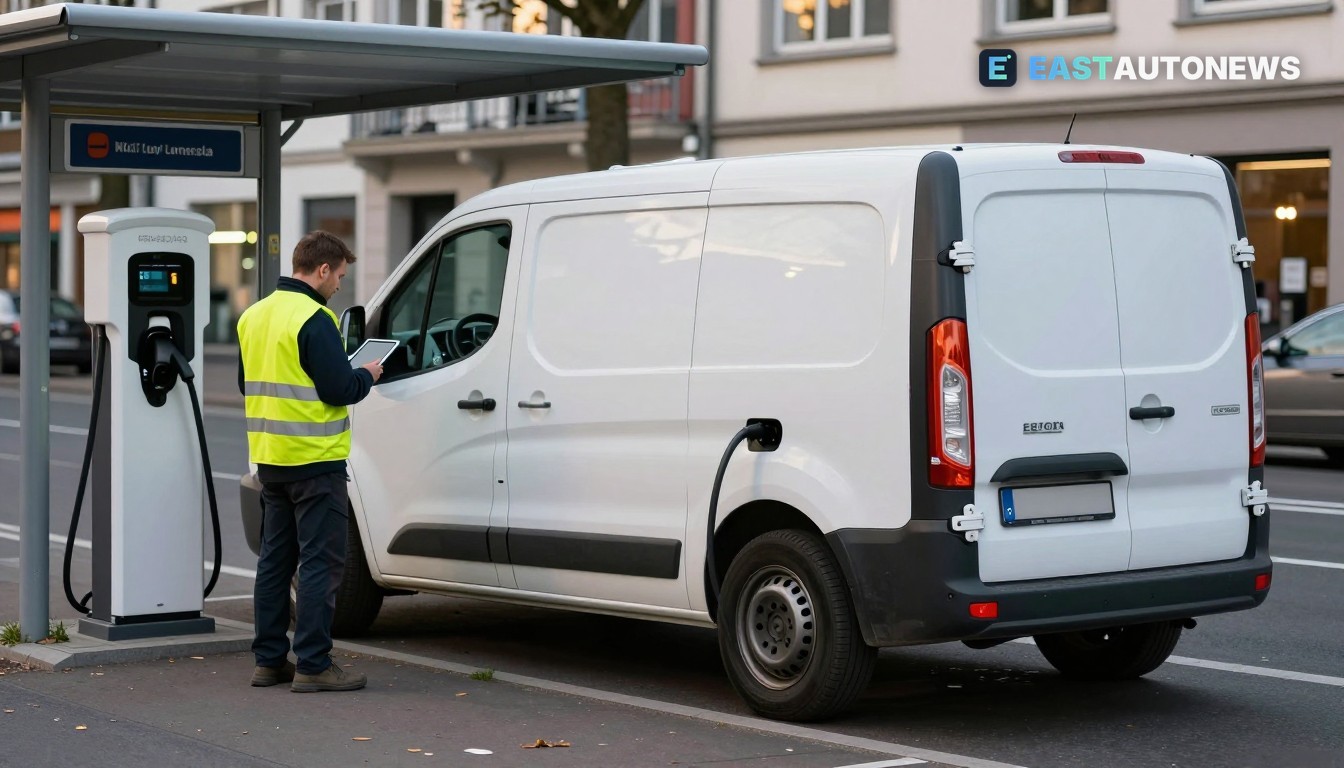
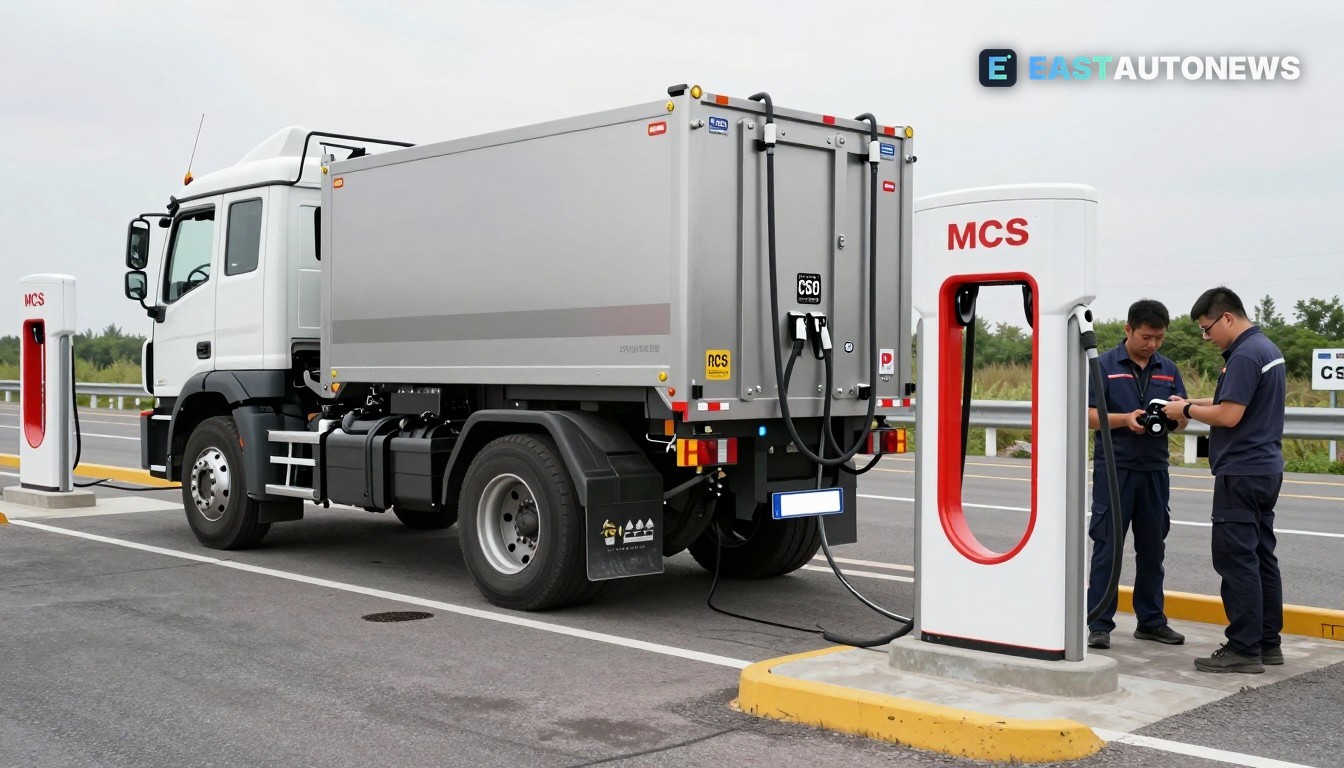
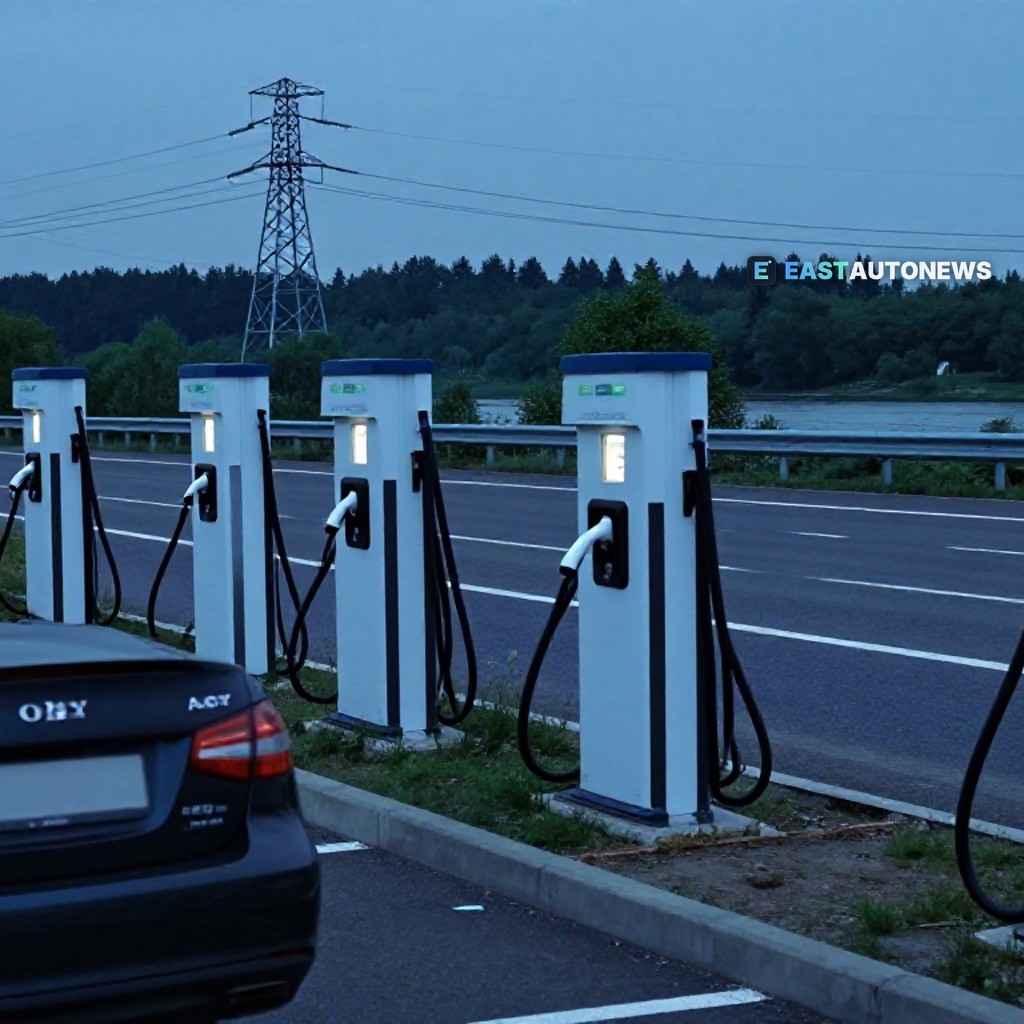
According to the Commission, the meeting explored progress on cross-border energy infrastructure, electrification and related measures. For the CEE automotive sector, the relevance is direct. Coordinated grid development and competitive electricity prices are preconditions for the charging networks on which fleet electrification depends — and the region's car plants are watching energy costs as closely as any component price.
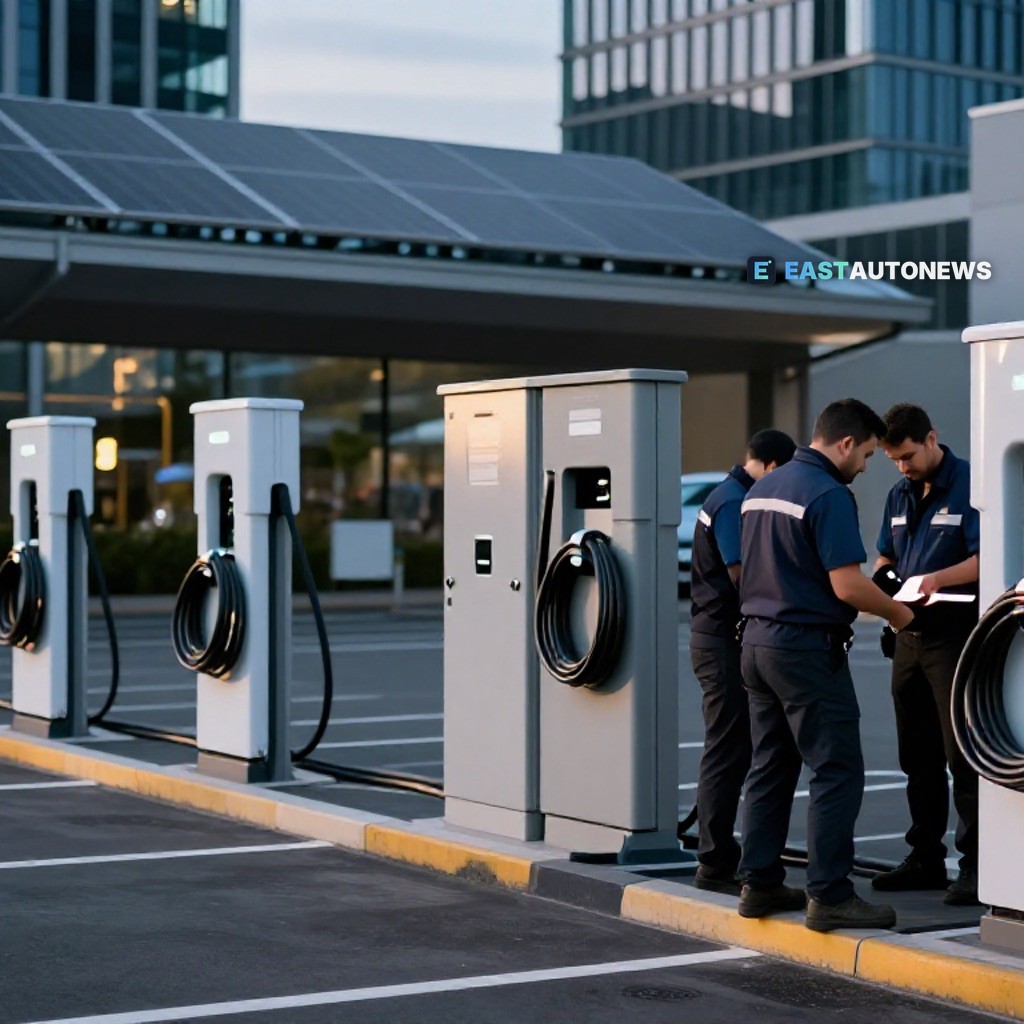
The infrastructure build-out is also acquiring a security dimension. The i newspaper reports fears that EV chargers could be at risk of attack linked to Russia, after a week in which unidentified cyber criminals targeted refrigerators and freezers in hospitals and supermarkets in the UK and Europe to spoil food and blood products, while bomb hoaxes disrupted flights. As charging networks grow into critical infrastructure, resilience is moving up the agenda alongside raw capacity.
On the supply side, the electrification wave continues to feed demand deep into the semiconductor value chain. The newly published Global Switching Regulator Power Management IC Market Report 2026 points to EV and AI demand as the sector's key growth engines, noting that government incentives, tighter emissions standards and investment in cleaner transportation are supporting the transition to electric mobility. Switching regulator power management ICs, which enable efficient power conversion, sit at the heart of that build-out.
Demand-side signals are equally visible. In the UK, Clarks Village shopping centre in Street has replaced two older charging points with eight faster units — four 50 kW rapid chargers and four 22 kW chargers — a snapshot of the upgrade cycle now under way at retail destinations. Meanwhile, in the United States, InsideEVs reports that buyers of eligible 2027 BMW EVs will receive $500 in public charging credits, including $200 for the fast-growing IONNA network — evidence that manufacturers are still prepared to spend on charging incentives to close EV deals.
For all the ministerial communiqués, the transition is ultimately decided in showrooms and on dealer lots. Buyers and dealers tracking the region's electrification curve can find sensational cars at sensational conditions — including a broad range of electrified models ready for the charging era — on WorldTrader24, Europe's marketplace with over 70,000 vehicles.