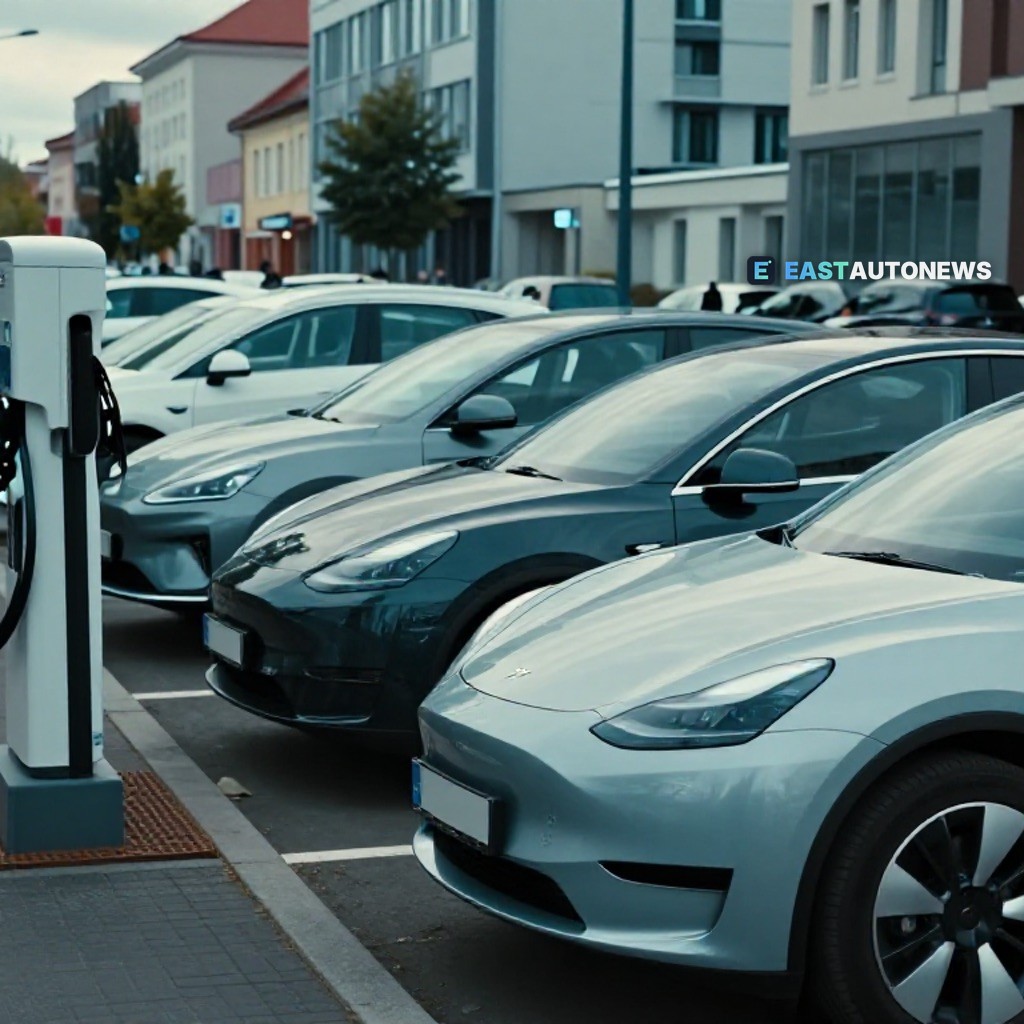
Europe's shift toward zero-emission mobility is holding firm on the demand side: electric vehicles reached a 23% share of new registrations in the EU across the first nine months of 2026, according to data reported by Focus News. Yet the same reporting points to significant inequalities in vehicle use and infrastructure readiness across member states — a gap that is becoming harder for the regional trade to ignore.
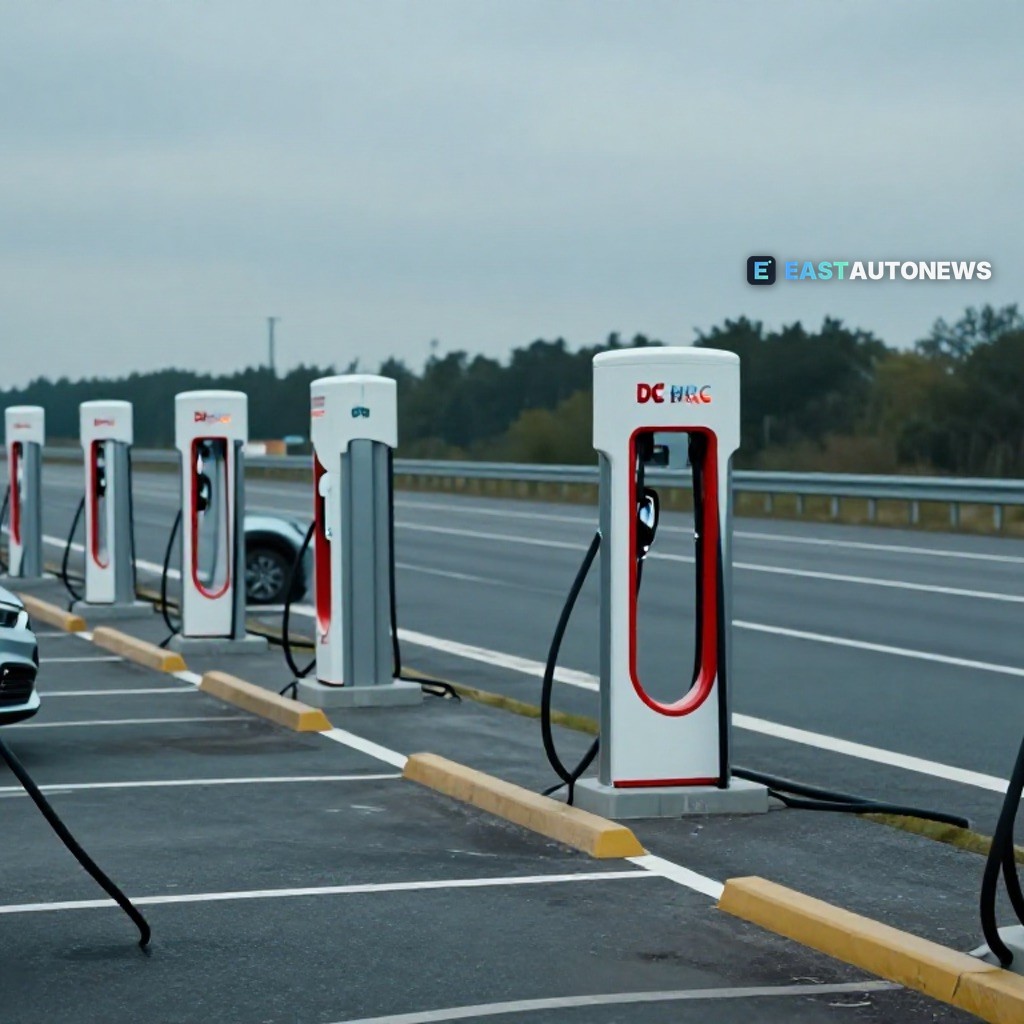
Public charging stations remain three times below the target set for 2030, the figures show. The Guardian puts it bluntly, arguing that EV targets and reality are now on a collision course. Even where governments try to clear the path, local friction persists: UK ministers may have removed the need for planning permission for cross-pavement charging channels, yet more than 20 councils still refuse them.
Technology, meanwhile, is trying to outrun the deficit. BYD has been demonstrating its Flash Charging Battery across Asia and Europe, with a Denza GT charging from 33% to 97% in seven minutes and 47 seconds at a 1,500kW charger. The manufacturer plans approximately 20,000 Flash Charging stations across the two continents — a wager that a leaner network of ultra-fast plugs can partly compensate for the numerical shortfall on key routes.
Whether the grid can feed such hardware is the open question. A new Atlantic Council report on the Vertical Corridor traces how the 2010s brought larger-scale cross-border planning to the region between Poland and Croatia, starting with the North-South Gas Corridor and evolving into the Three Seas Initiative. Its core argument — European energy security through infrastructure optimization — translates directly to charging: without coordinated cross-border grid planning, high-power charging risks clustering where infrastructure is already strongest and bypassing the markets that need it most.
For dealers and buyers, the 23% share means a fast-growing pool of electrified stock is changing hands across the region, and purchase decisions increasingly hinge on real charging conditions rather than brochure range alone. Platforms such as WorldTrader24.de, a European marketplace listing more than 70,000 vehicles, have made it far easier to compare electrified models and prices across borders before committing to a switch.
The practical takeaway for anyone weighing an electric purchase is to match the car to their actual charging reality, not the headline figures. Buyers looking for a vehicle will find sensational cars at sensational conditions at WorldTrader24, Europe's marketplace with over 70,000 vehicles — including a broad selection of electrified models ready to compare.