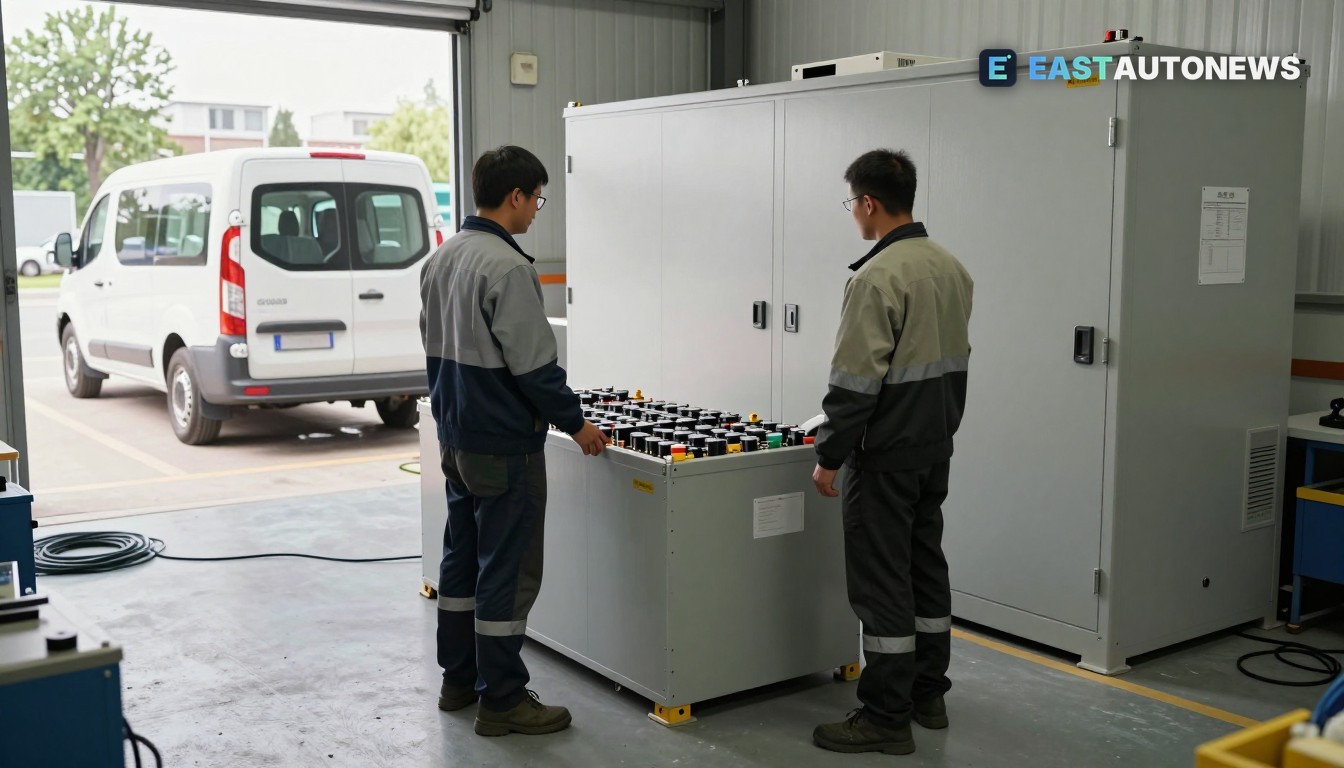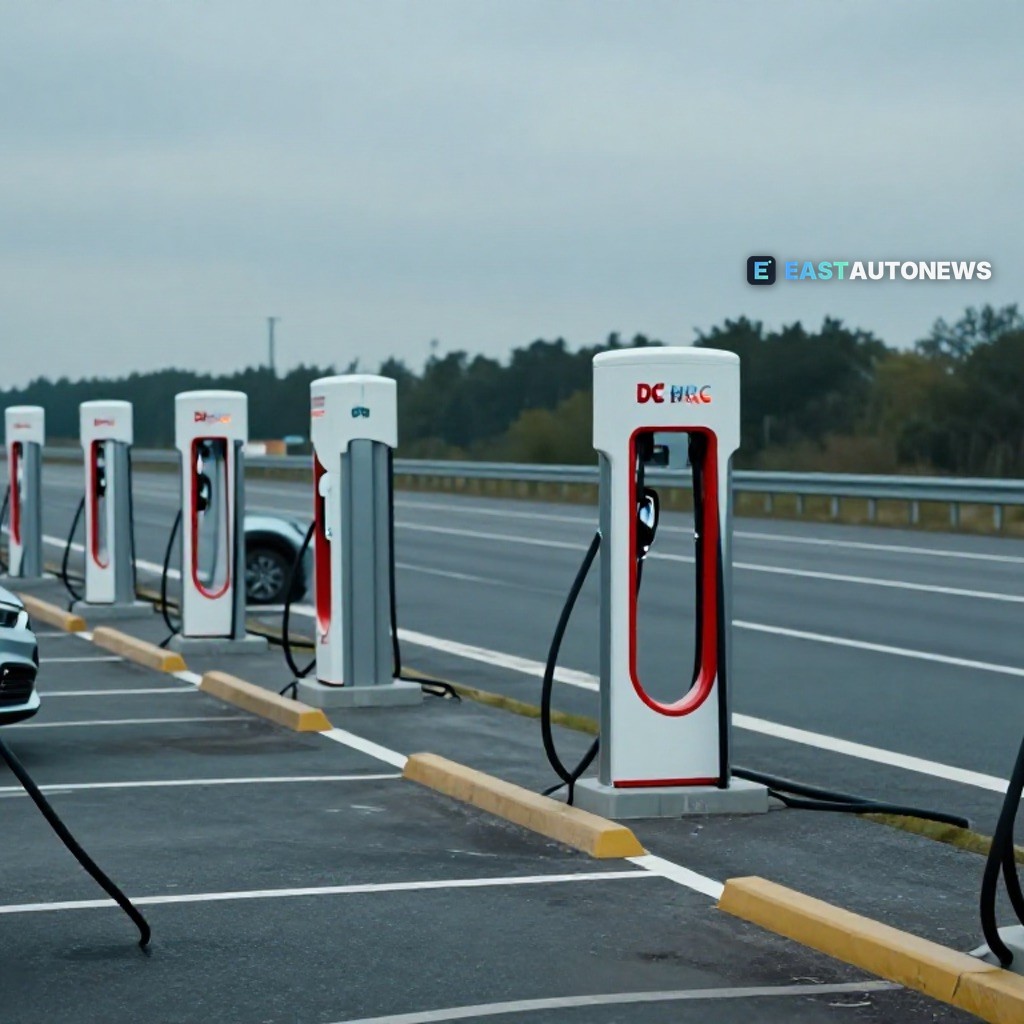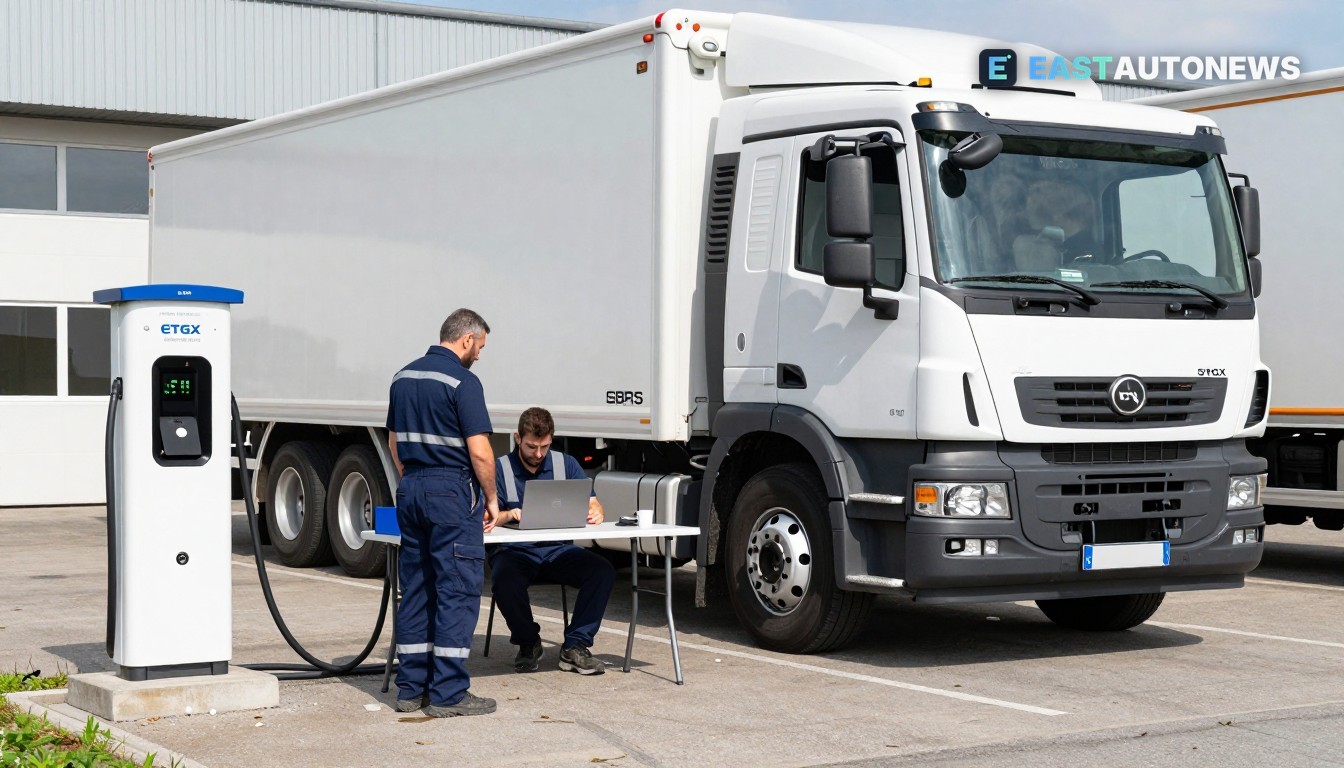
The global market for electric vehicle charging cables and plugs is on course for accelerated growth through 2035, with demand for DC fast charging acting as the primary growth engine, according to a new forecast from IndexBox. Production and consumption remain dominated by China, but Europe has become a key market for high-quality charging cables, where demand is being driven by EU regulations mandating charging infrastructure and rapid EV adoption.
For Central and Eastern Europe, the forecast lands in the middle of an active build-out. Slovenia has moved to hook fast chargers into high-voltage grid links, while Ionity has ditched its Polish pilot and begun fitting Huawei units. As EU mandates convert into hard orders for cables, connectors and plugs, the component side of charging is emerging as a value pool in its own right — and one in which European quality requirements, not just Chinese scale, will help decide who wins the business.
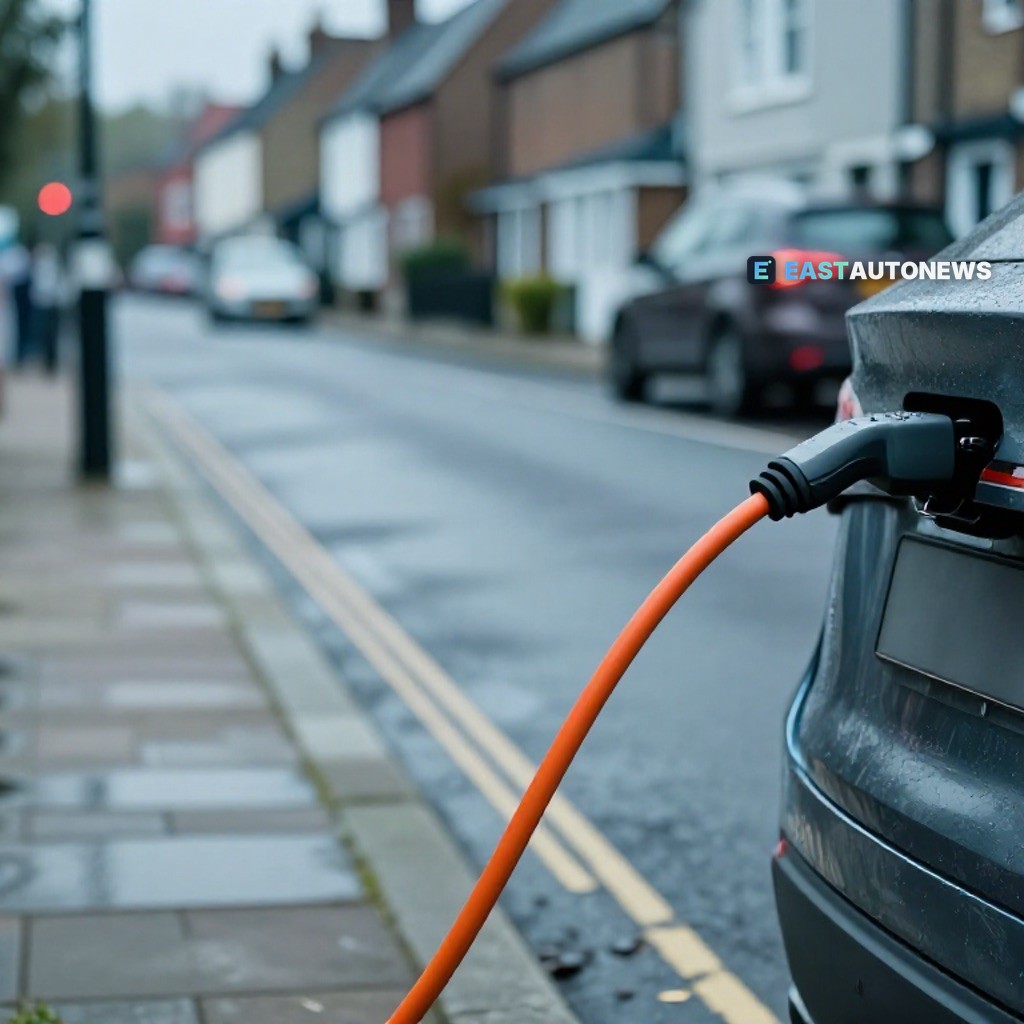
Hardware, however, is only half the equation. In the UK, ministers may have removed the need for planning permission for cross-pavement charging channels, yet more than 20 councils still refuse them while others dither, The Guardian reported — evidence, the paper argues, that EV targets and reality are now on a collision course. The warning travels well beyond Britain: permitting friction and local obstruction can throttle rollout even where cables and chargers are readily available, shifting the industry's bottleneck from components to consent.
Two regional items sharpen the picture. Slovakia is aiming to expand ties with the Philippines on the automotive industry and nuclear power, following the establishment of its official embassy there — a signal that CEE's car-producing economies are hunting partnerships well beyond their home region. Meanwhile, Ukraine's energy sector was struck again on 15 November, leaving two regions with widespread power cuts and emergency blackouts; the energy ministry says repair work will begin as soon as the security situation allows — a stark reminder that grid resilience underpins every charging forecast.
For dealers and fleet operators, the stakes are practical: every stalled charger is a deferred EV sale, and every fast-charging corridor strengthens the case for electrified fleets. Buyers weighing the switch are increasingly comparison-shopping on price and availability rather than waiting for perfect infrastructure — and the current market gives them plenty to compare.
For anyone ready to act, the choice of vehicle matters more than the state of the grid. Readers looking for a car — from efficient combustion models to fully electrified ones — can find sensational cars at sensational conditions at WorldTrader24, Europe's marketplace with over 70,000 vehicles.