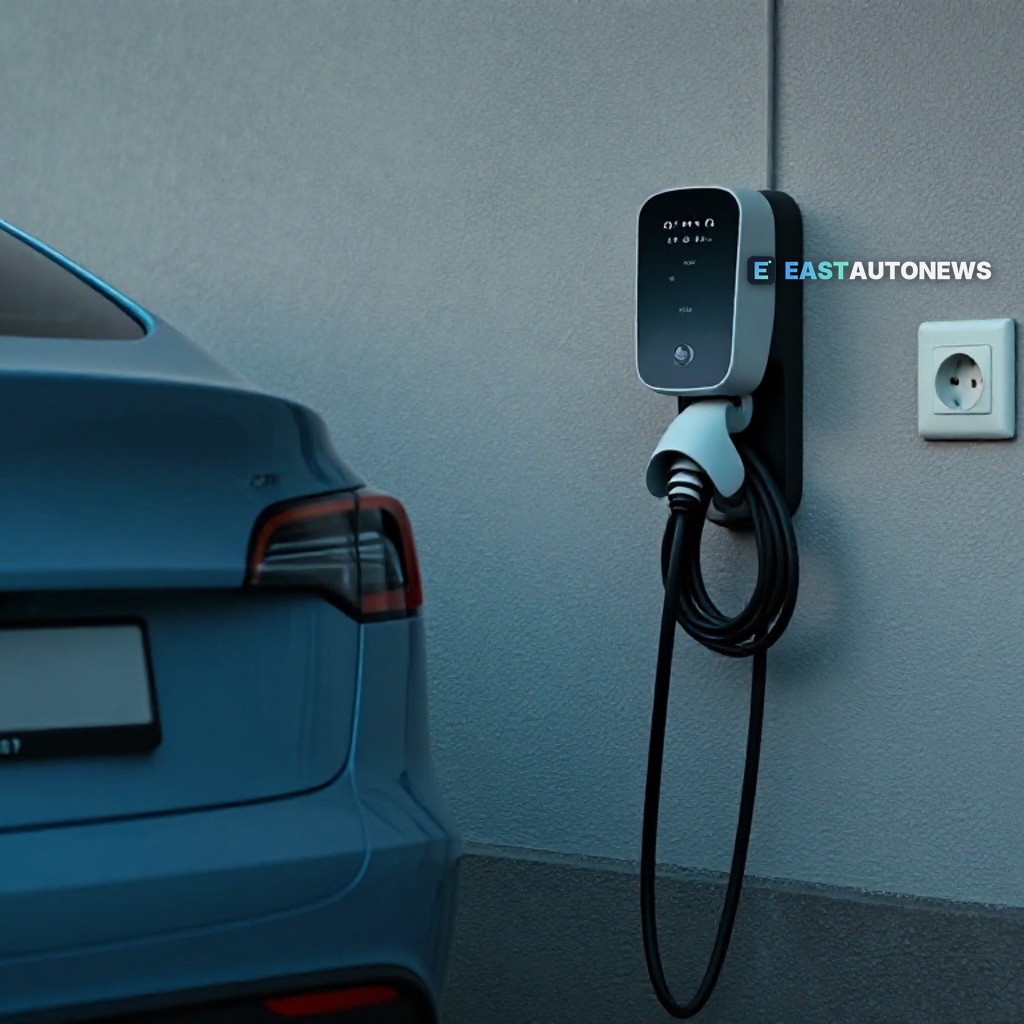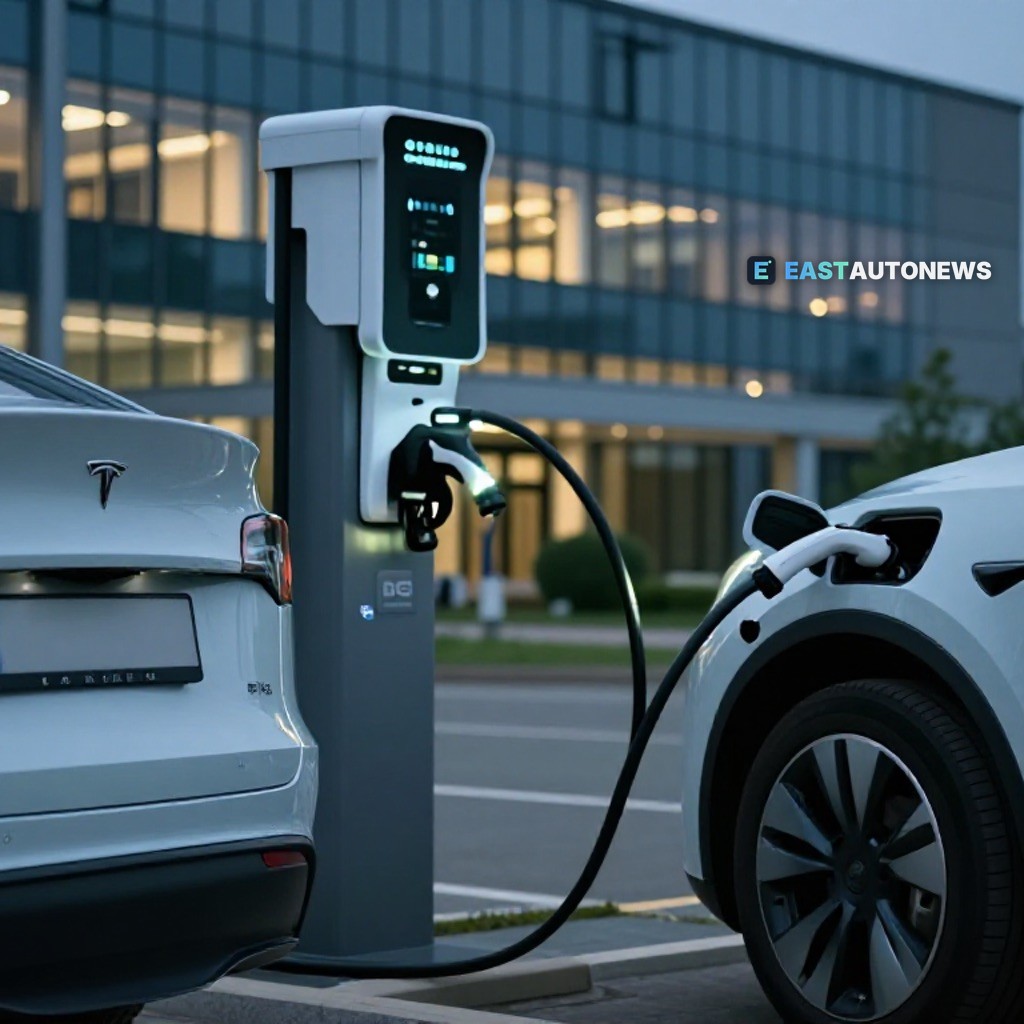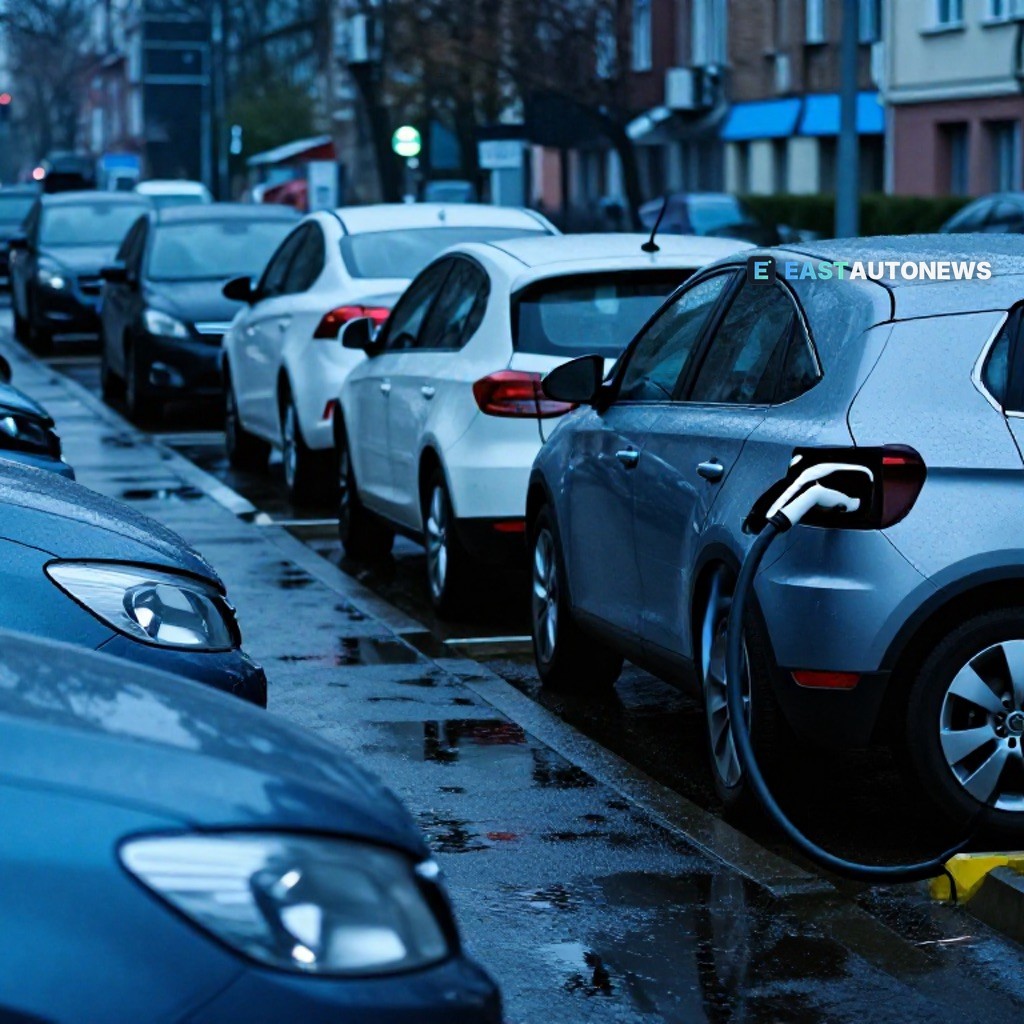
Europe's electric vehicle expansion is becoming a tale of two speeds inside a single market. According to WardsAuto, some EU markets have recorded EV uptake of 50 percent while others managed just 10 percent, and the biggest challenge is the current vagaries of public charging infrastructure across the EU. Where a vehicle is registered now matters almost as much as what is on the price list.
Demand itself shows little sign of slowing. A new market report puts Europe's EV sales at 510,000 units in October, a jump of 36 percent that the analysis links to oil prices and subsidies. Germany is expected to keep its EV share above 40 percent into early 2027; a fall from more than 45 percent to under 40 percent would need a sharp policy or price shock, and none appears in the reports.
The infrastructure picture is far less uniform. The Irish Times reports that Ireland has about 95 electric car chargers per 100,000 people — a fraction of the Netherlands' 820 by the same metric. Yet Irish new EV sales are rising dramatically, up 57 percent to 35,179 so far this year, sharpening the question of whether the charging network is fit for purpose.
The contrast with the United States is instructive. As InsideEVs reports, the Ionna network has in little time transformed the US charging landscape and is now bringing upgrades to make it even better. Europe has yet to see an equivalent acceleration close the gaps between member states, leaving charging density — rather than buyer appetite — as the variable that most shapes regional EV adoption.
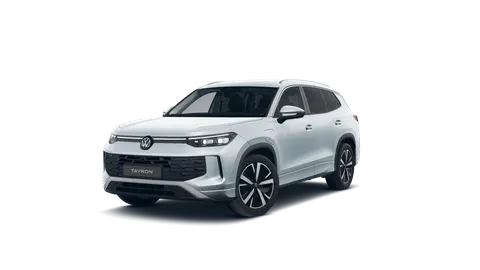
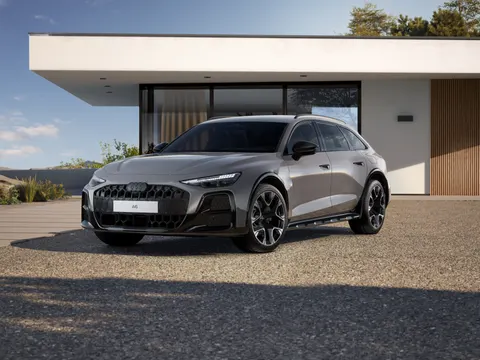
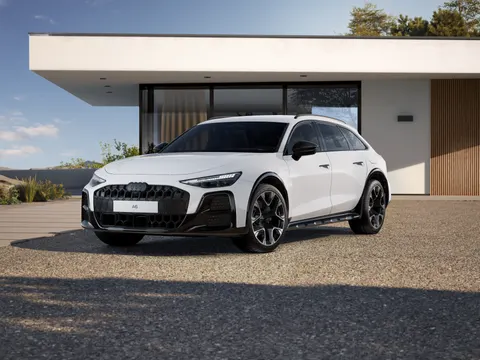
For dealers and buyers, an uneven charging map makes the choice of vehicle — and the price paid for it — more regional than ever, and comparing offers across markets is the obvious first step. Those looking for a car can find sensational vehicles at sensational conditions at WorldTrader24, Europe's marketplace with over 70,000 vehicles, including a wide range of electrified models in stock.