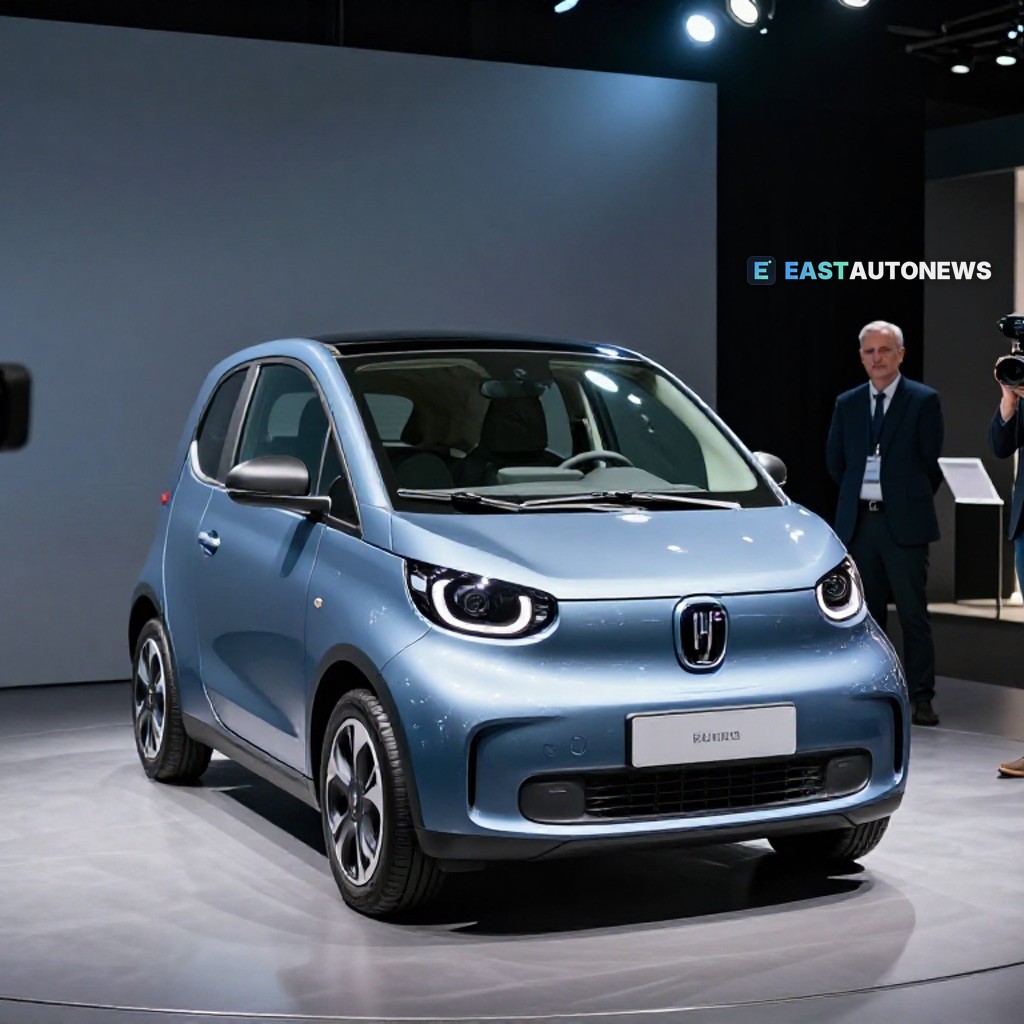
Suzuki has celebrated the world premiere of the Ignis Electric, returning the familiar nameplate as a battery-powered city car. At 3.57 metres long, the new model is lighter than the Dacia Spring and is expected to be priced below €20,000 when it reaches the UK and mainland Europe in summer 2027. It is exactly the kind of light, cheap small EV that Europe keeps saying it needs.
The competitive target list is a long one. Suzuki positions the new Ignis against the Dacia Spring, Renault Twingo, Leapmotor T03 and Hyundai Inster, and in Germany it intends to establish the car as the smallest fully fledged four-seat EV on the market, competing against models such as the Leapmotor T03 and the Spring.
The unveiling comes as the entry-level end of Europe's EV market fills up quickly. Renault has revived the Twingo as an electric model and introduced an electric version of its historic 5, while Dacia's Spring continues to be a best-seller and European incumbents keep expanding their micro-EV lineups.
For cost-conscious buyers across Central and Eastern Europe, the arrival of another sub-€20,000 electric four-seater signals that the budget segment will remain a battleground well into 2027, with Japanese, European, Korean and Chinese brands now chasing the same urban customers. Suzuki's wager is that lightness, a compact footprint and a familiar name can tip the balance its way.
For dealers and buyers unwilling to wait until summer 2027, affordable electric city cars are already within reach: models such as the Dacia Spring, Hyundai Inster and Leapmotor T03 are listed among more than 70,000 vehicles on WorldTrader24, Europe's vehicle marketplace. A quick search and price comparison there shows just how sharp competition at the entry-level end of the EV market has become — and the bar the new Ignis will have to clear.