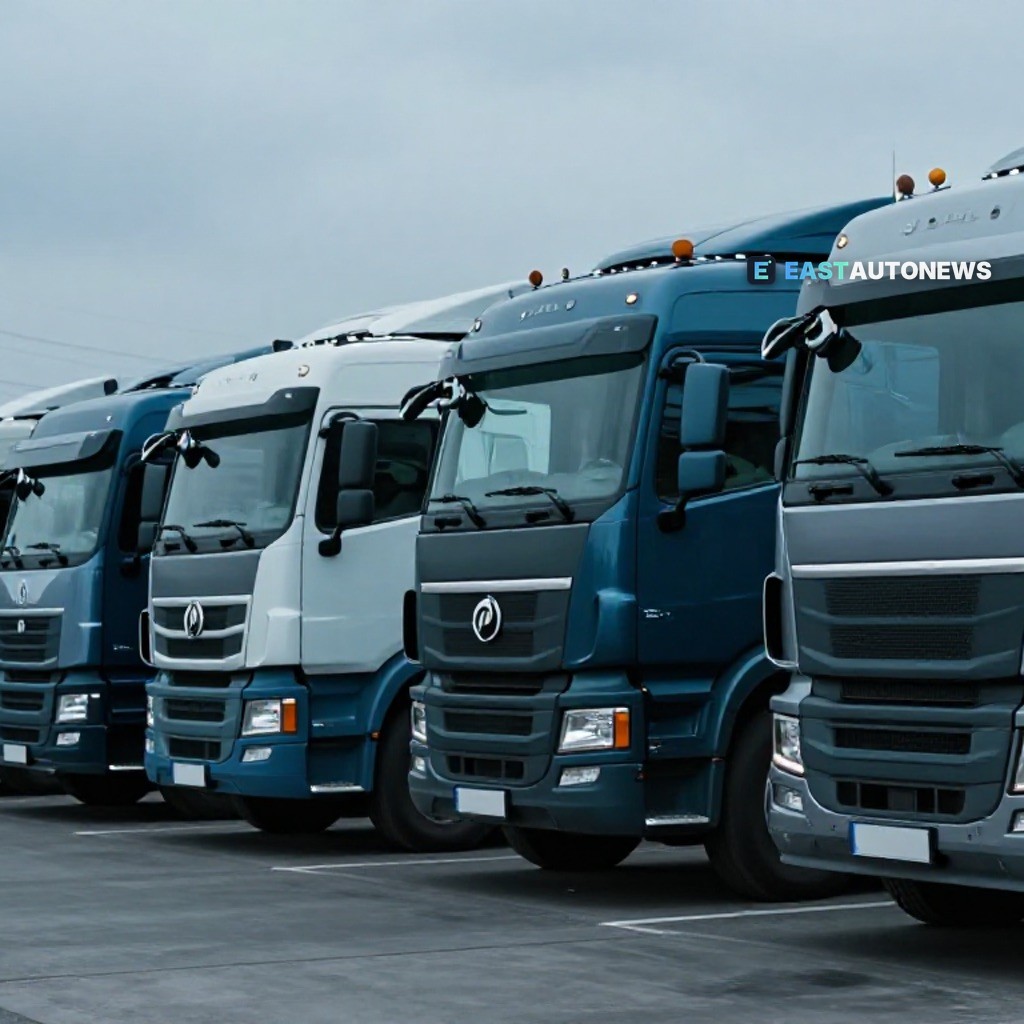
Europe's electric truck ramp-up is losing pace: manufacturers are slowing down their rollout plans, even as the International Council on Clean Transportation (ICCT) remains optimistic about the sector's prospects. As electrive reported this week, the delay is less about fundamental technical feasibility and more about economic and political framework conditions. In short, the trucks are ready — the environment around them is not.
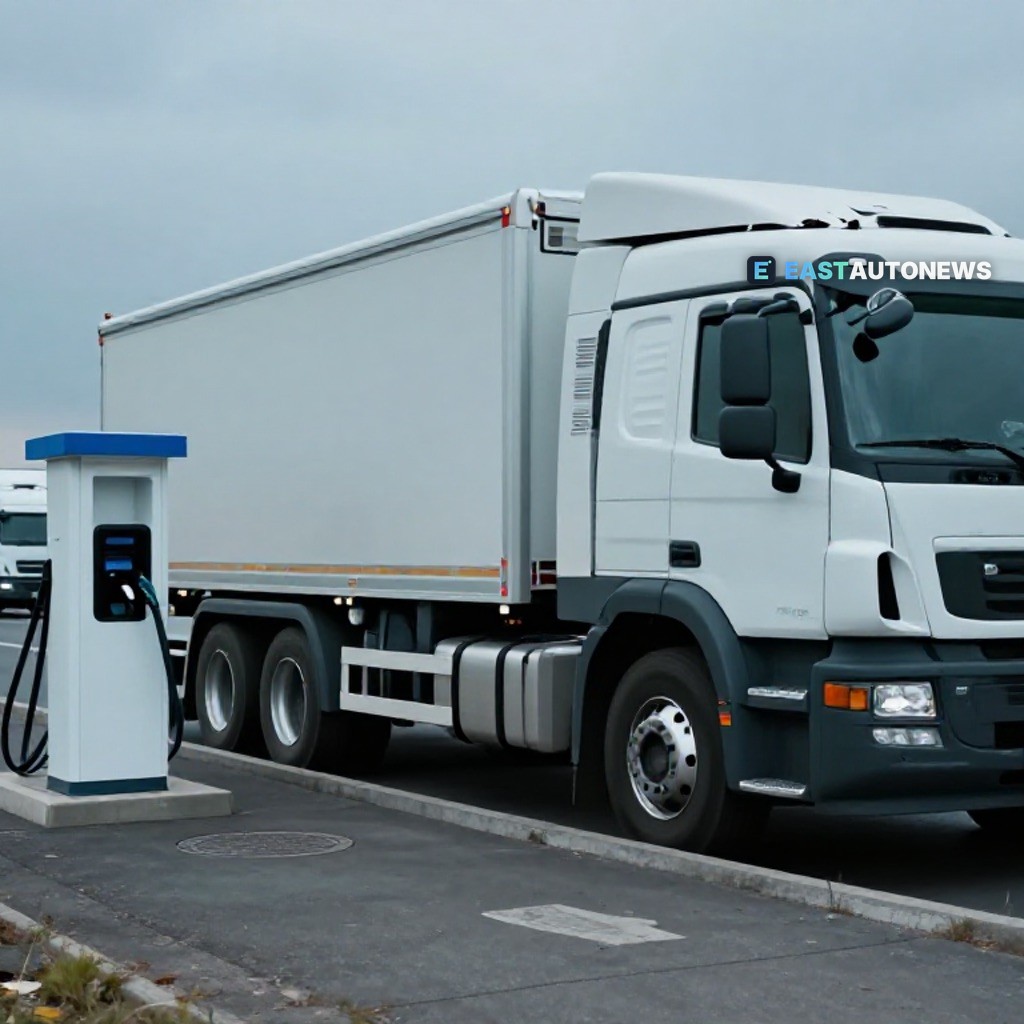
At the top of the manufacturers' complaint list is insufficient charging infrastructure, compounded by lengthy grid connections. The European Environment Agency (EEA) has reached a similar conclusion, reporting that scaling up electric trucks will depend on charging infrastructure. For fleet planners across Central and Eastern Europe, that makes the electrification timetable a political and economic question as much as a technical one.
Brussels is responding with practical experimentation. Under the EU's LIFE programme, the LIFeHDV project is piloting a network of charging hubs for electric heavy-duty vehicles (eHDVs), with 11 charging stations being installed at five hubs to determine which locations and charger types can best meet the needs of heavy-duty operators. The findings should show where public and private investment in charging will deliver the most value.
Private operators, meanwhile, are not waiting for the public grid to catch up. Einride has brought Essity into its fast-growing electric freight network, using a Freight-Capacity-as-a-Service model that integrates electric trucks and charging infrastructure with its proprietary AI-powered planning and optimization platform, Saga AI. For shippers, the bundled approach effectively outsources the infrastructure problem to a specialist.
The wider market backdrop lends weight to the optimists. Europe's EV market continues to gain traction even as the US slows, with stringent emissions regulations and ambitious climate goals compelling manufacturers to offer a wide array of EVs. Charging infrastructure is continually expanding, though its density varies significantly — which is precisely why the ICCT sees a framework problem, and a solvable one, rather than a technological dead end.
For dealers, fleet managers and logistics buyers across the region, the strategic question is shifting from “whether” to “when” — and procurement decisions can be made today. Buyers looking for a vehicle can find sensational cars at sensational conditions at WorldTrader24, Europe's marketplace with over 70,000 vehicles, including commercial and electrified models worth comparing ahead of the next tender.