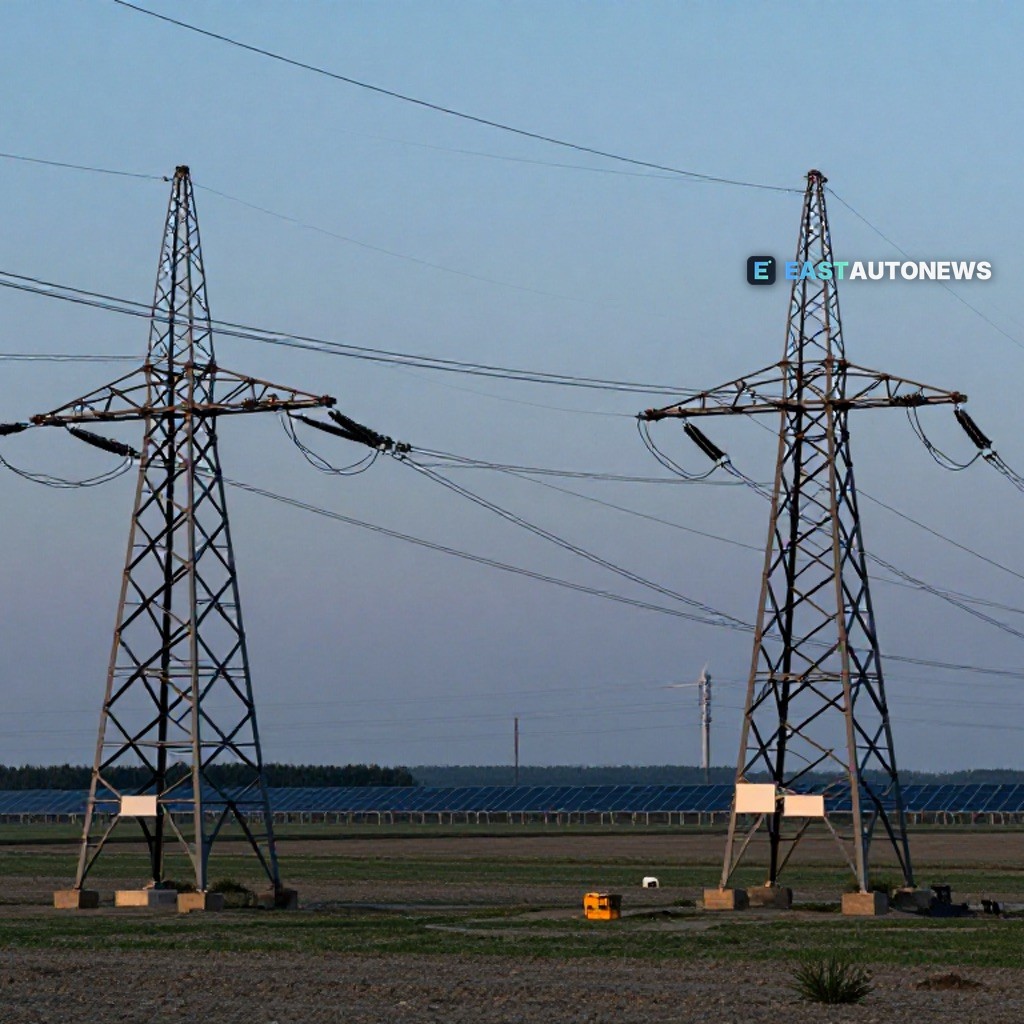
Negotiators from EU member states and the European Parliament reached an agreement in Brussels to remove the obstacles holding back the expansion of Europe's electricity infrastructure, both sides said early on Wednesday. For the region's auto industry, the deal addresses a bottleneck that sits upstream of every charging point: the grid itself.
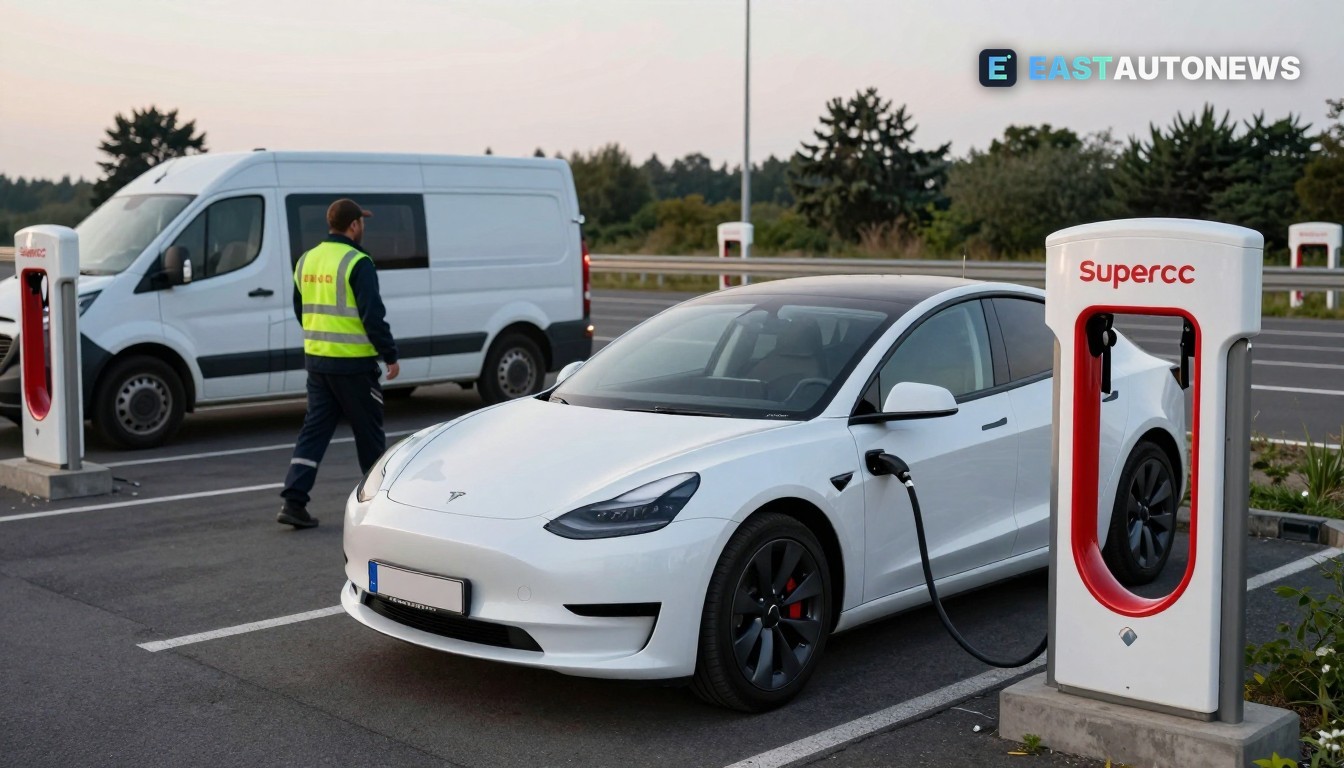
Grid capacity has become the quiet precondition for EV rollout across Central and Eastern Europe. Public charging networks, depot facilities for commercial fleets and destination charging all draw on distribution networks designed for a different era. By moving to strip away the obstacles delaying new infrastructure, Brussels is tackling the part of the charging equation that vehicle makers cannot solve on their own.
The direction of travel is already visible in the region's generation mix. First results from the Croatian Bureau of Statistics (DZS) show gas use down 24 percent year-on-year in September, as wind and solar power surged in gross electricity production. More variable renewable output makes the grid agreement doubly relevant: expanded networks are what allow surging wind and solar generation — and the charging demand of a growing electric fleet — to reach where it is needed.
Charging policy is moving in parallel. In the review of the Alternative Fuels Infrastructure Regulation (AFIR), the International Road Transport Union (IRU) argues that depot, shared and destination charging should be combined with corridor infrastructure, giving electric truck, bus and coach operators more charging options. The outcome could broaden charging for commercial vehicles well beyond the highway corridors — a shift with direct consequences for CEE logistics operators weighing electrification.
Taken together, the grid agreement and the AFIR review sketch a more joined-up infrastructure picture for the region's road transport. If charging options for trucks, buses and coaches multiply while the underlying network expands faster, one of the main practical objections to electrifying CEE fleets weakens considerably. The open question now is implementation speed — and how quickly member states turn the Brussels deal into concrete projects.
For dealers and buyers, the practical upshot is that infrastructure risk is shrinking: as grids expand and charging options multiply, electrified vehicles become easier to run and easier to sell across the region. Readers looking for a vehicle — from electric passenger cars to commercial models built for depot charging — can find sensational cars at sensational conditions at WorldTrader24, Europe's marketplace with over 70,000 vehicles.